Occupy Cinema › People
The Screenwriting Grind: Finish the Draft, Build the Career
Aspiring screenwriters need to focus on completing drafts, not just ideas. The path to a writing career involves volume, persistence, and strategic feedback.
By Occupy Cinema ·
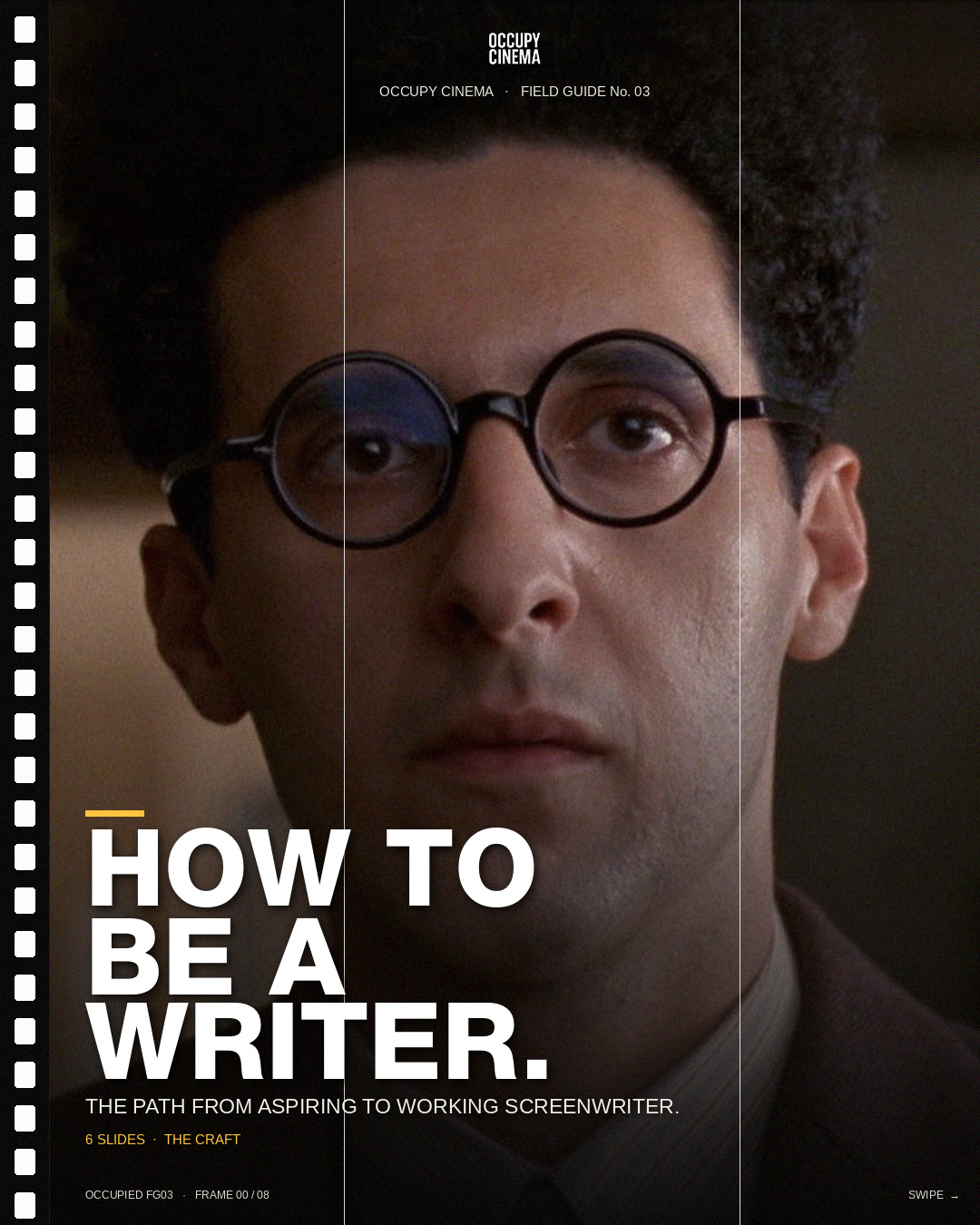
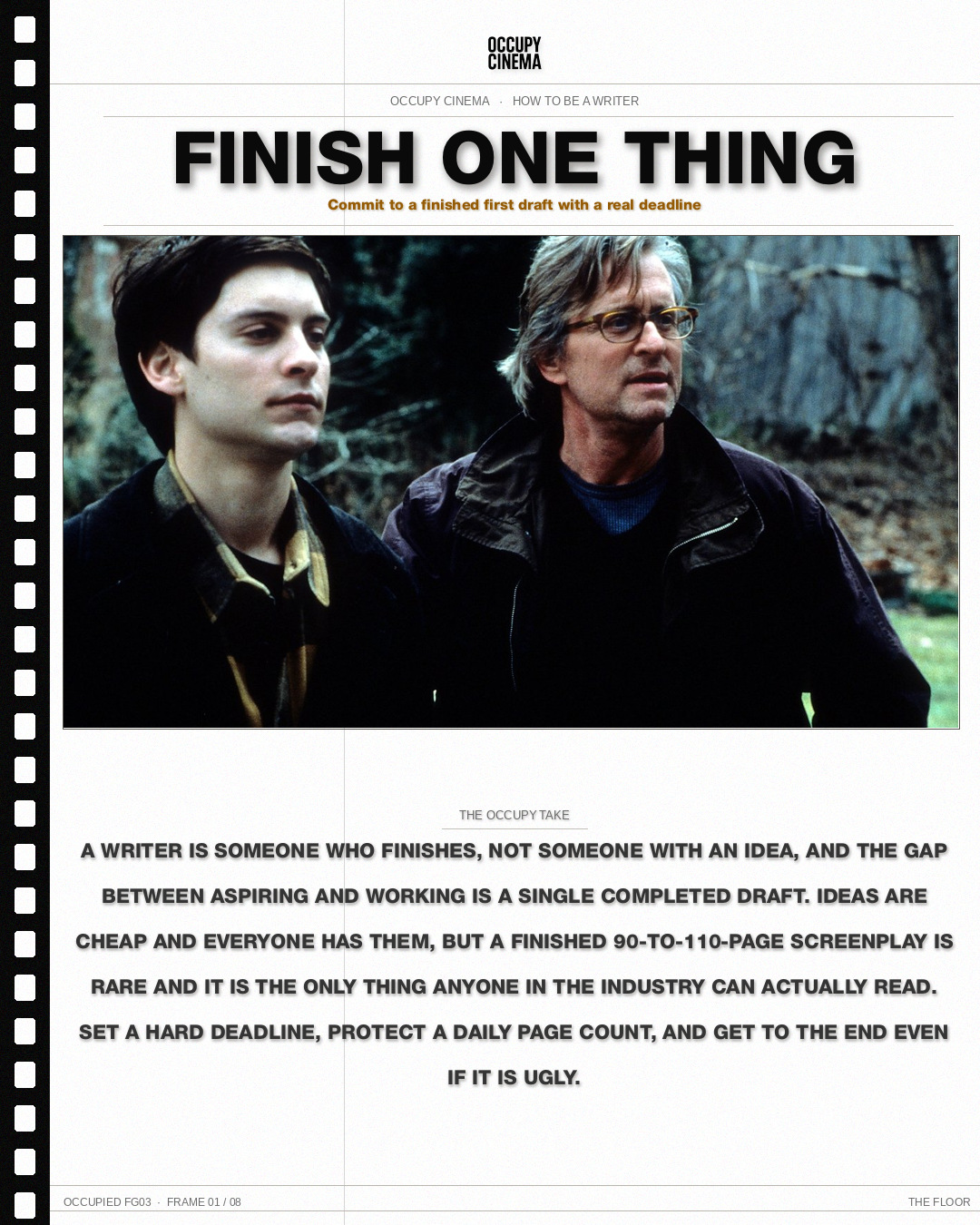
The film industry does not pay for ideas. It pays for finished products, or at least finished drafts. Aspiring screenwriters often get stuck in a loop of brainstorming and outlining, never pushing through to the crucial step of completion. This is a critical error. The difference between an aspiring writer and a working writer is a completed screenplay, not a brilliant concept.
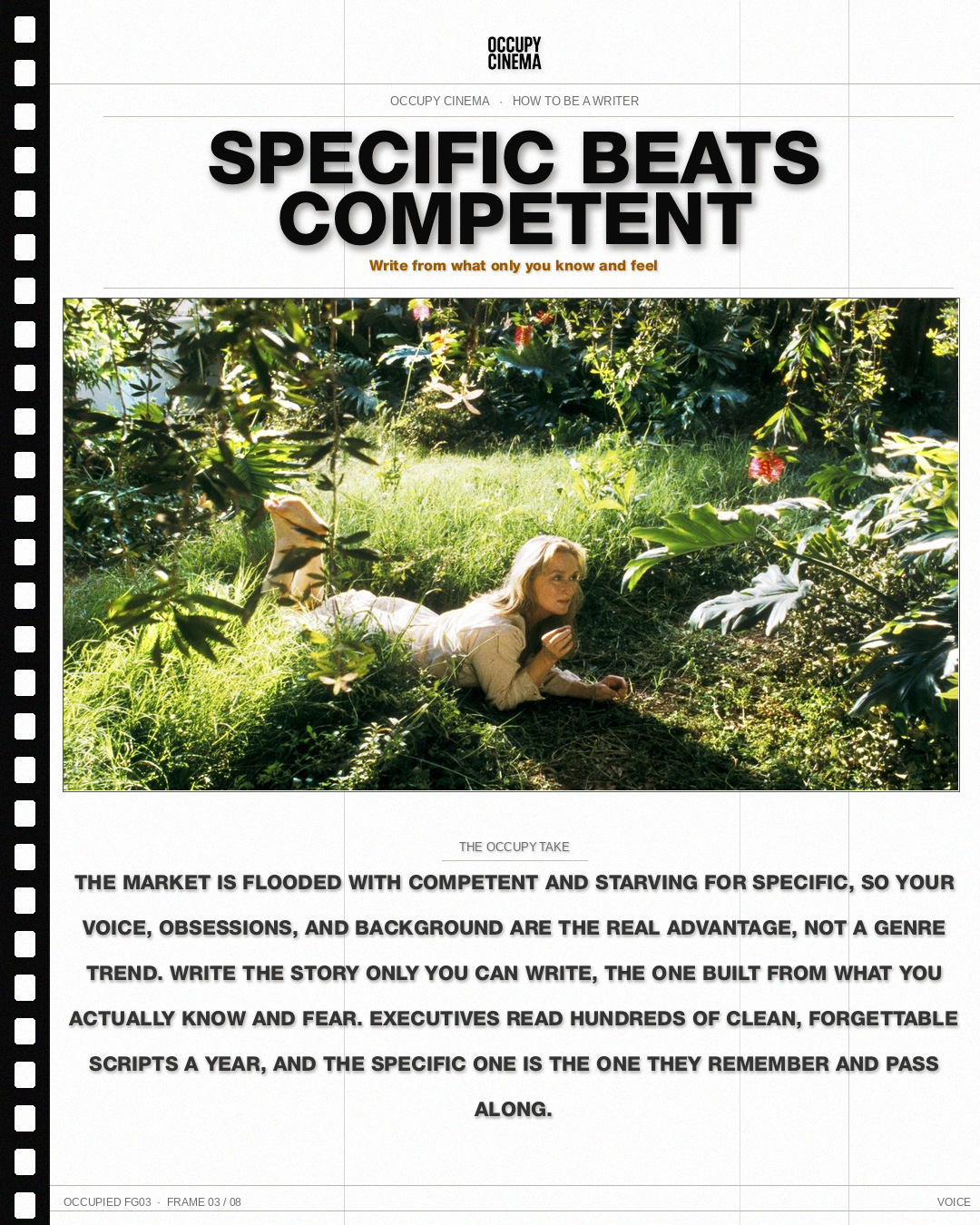
Think about it. Every major studio, every independent producer, they are looking for executable material. They don't want your pitch deck if there is no script to back it up. The market is saturated with competent writers, but it hungers for specificity and unique voices. You need to write the story that only you can write, and then you need to actually finish it.
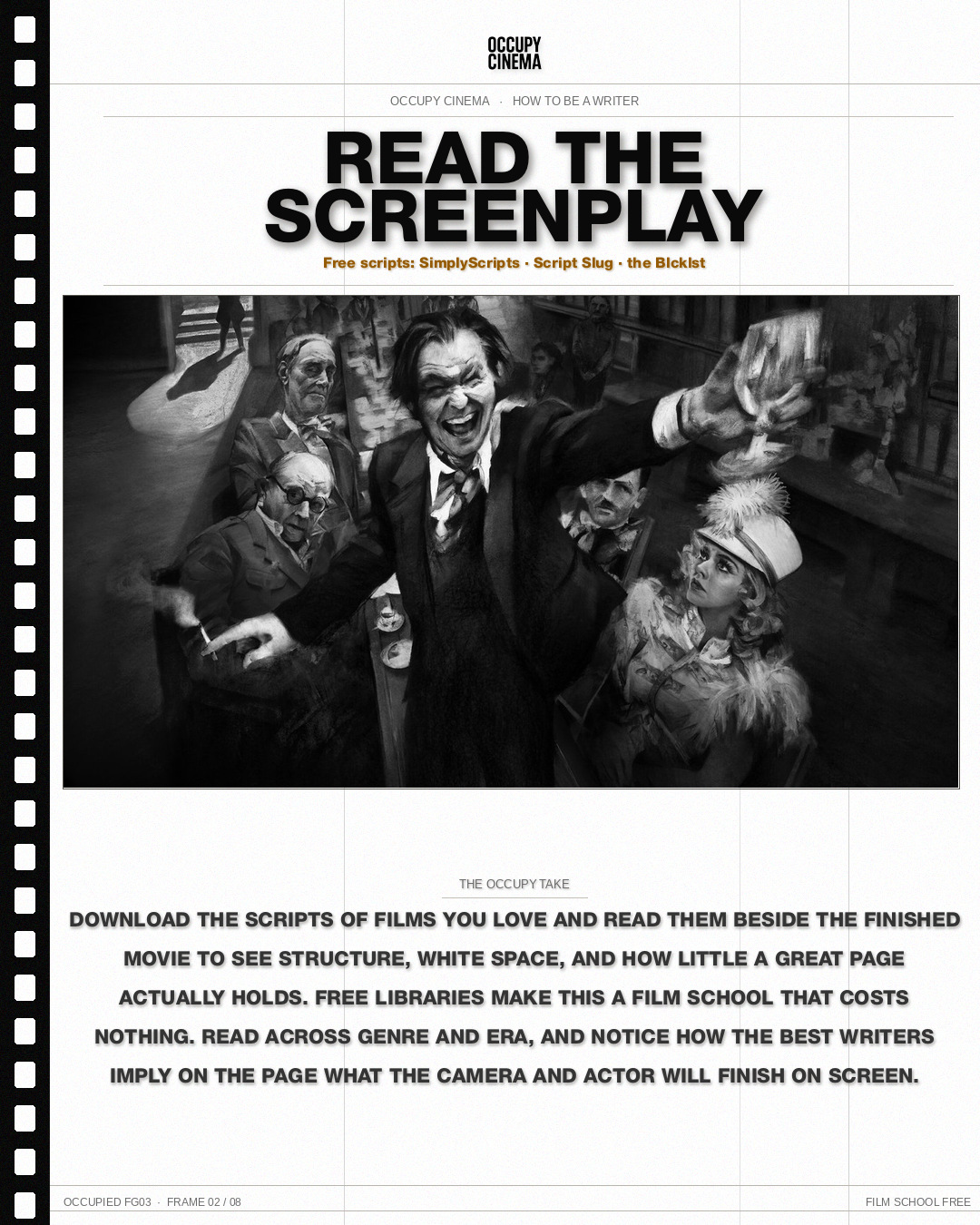
Learning the craft also means understanding what a script truly is. Read the screenplays of films you admire. Compare them to the final movie. You will see how much is conveyed with so little on the page. This teaches structure, conciseness, and the art of leaving room for the director and actors to interpret. Final Draft is the industry standard for a reason: it forces structure.
The Importance of Rewriting and Feedback
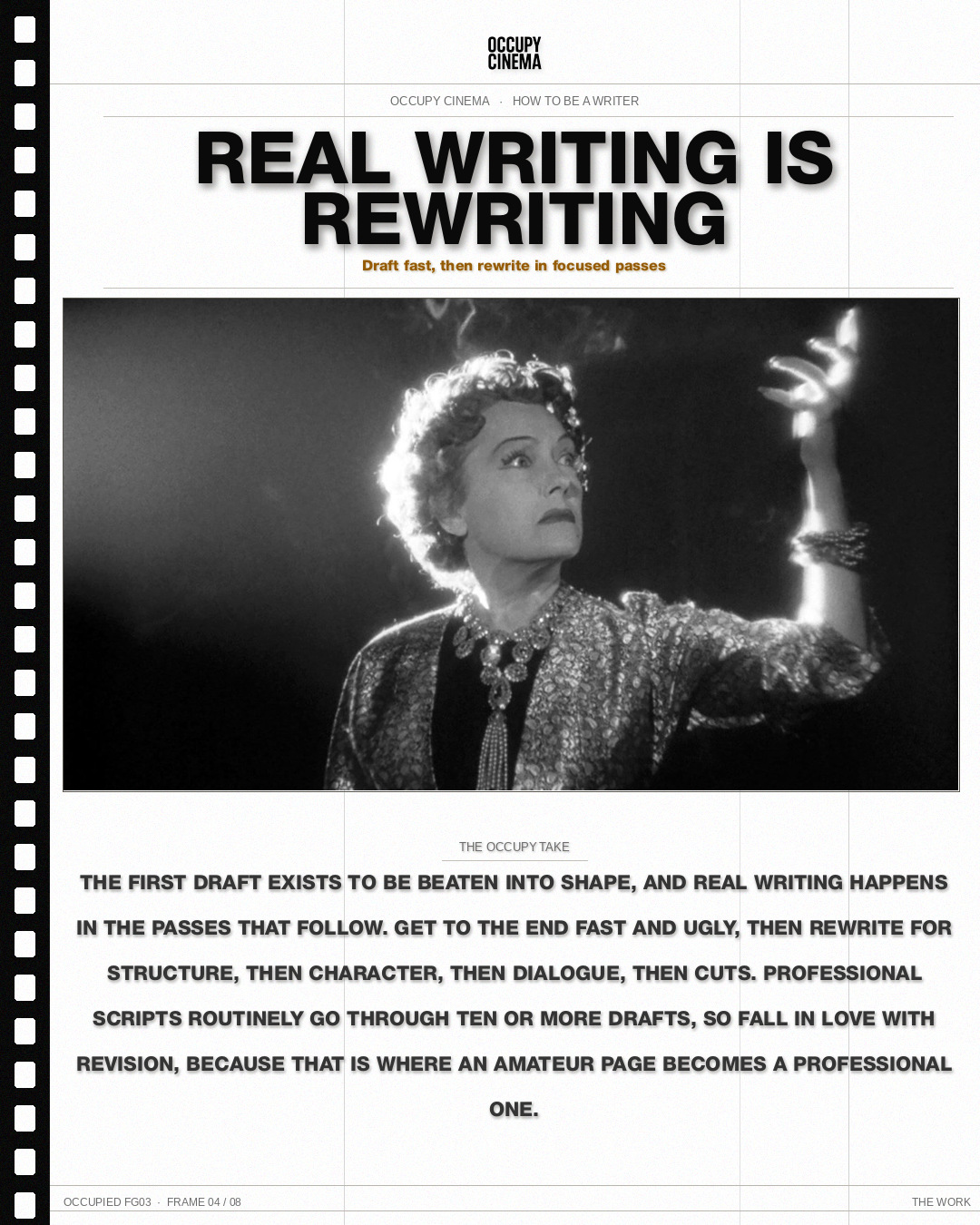
The first draft is rarely, if ever, the final draft. It is a blueprint. The real work of writing is rewriting. This is where you beat that initial burst of creativity into shape, refining dialogue, pacing, and character arcs. Do not get precious about your early drafts. They are meant to be improved.
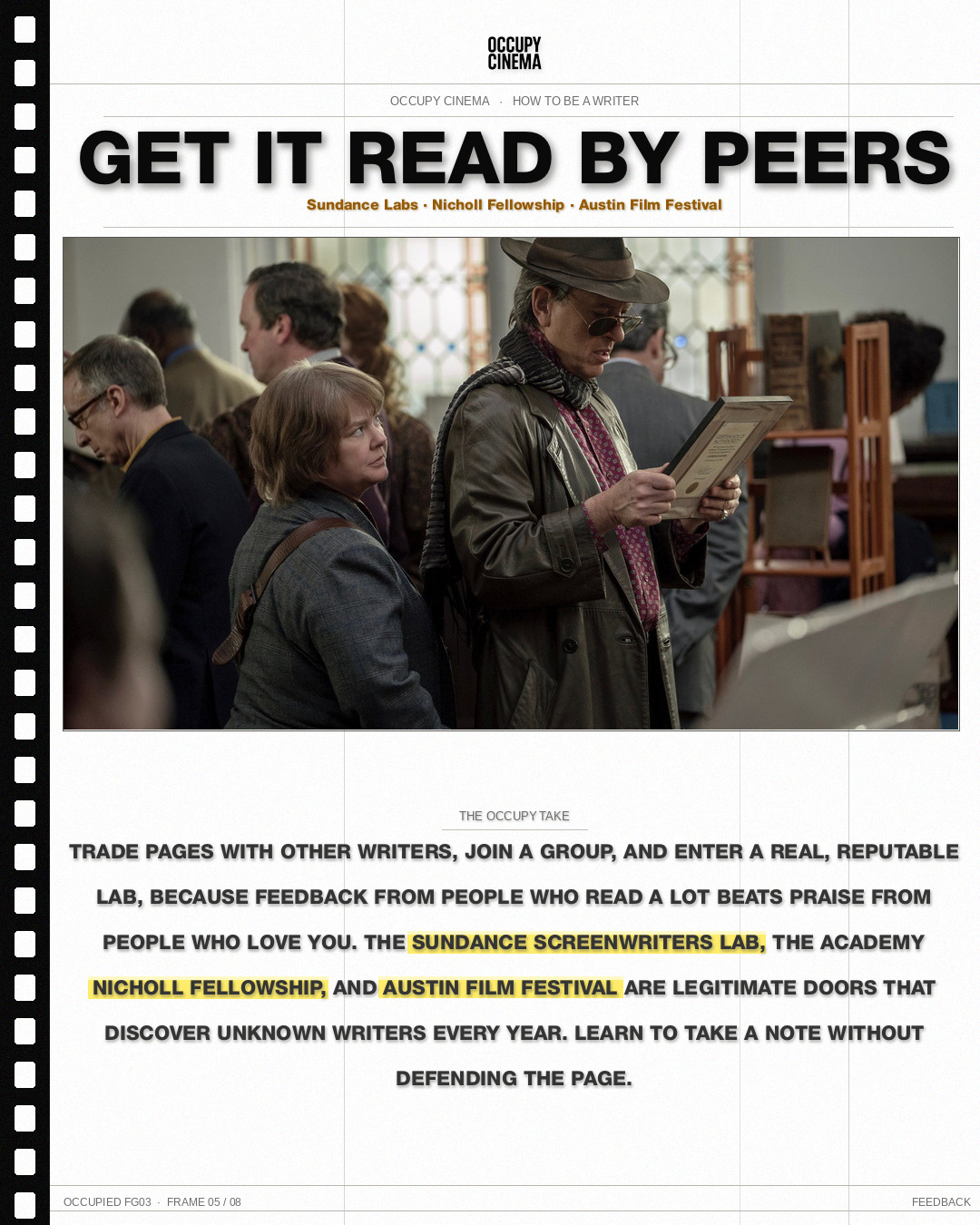
Once you have a solid draft, seek feedback from the right sources. Your friends and family who love you are not the right sources. They will tell you what you want to hear. You need readers who understand screenwriting, who read a lot of scripts, and who can provide constructive criticism. Trade scripts with other writers. Join a writers' group. Submit to reputable labs and fellowships.
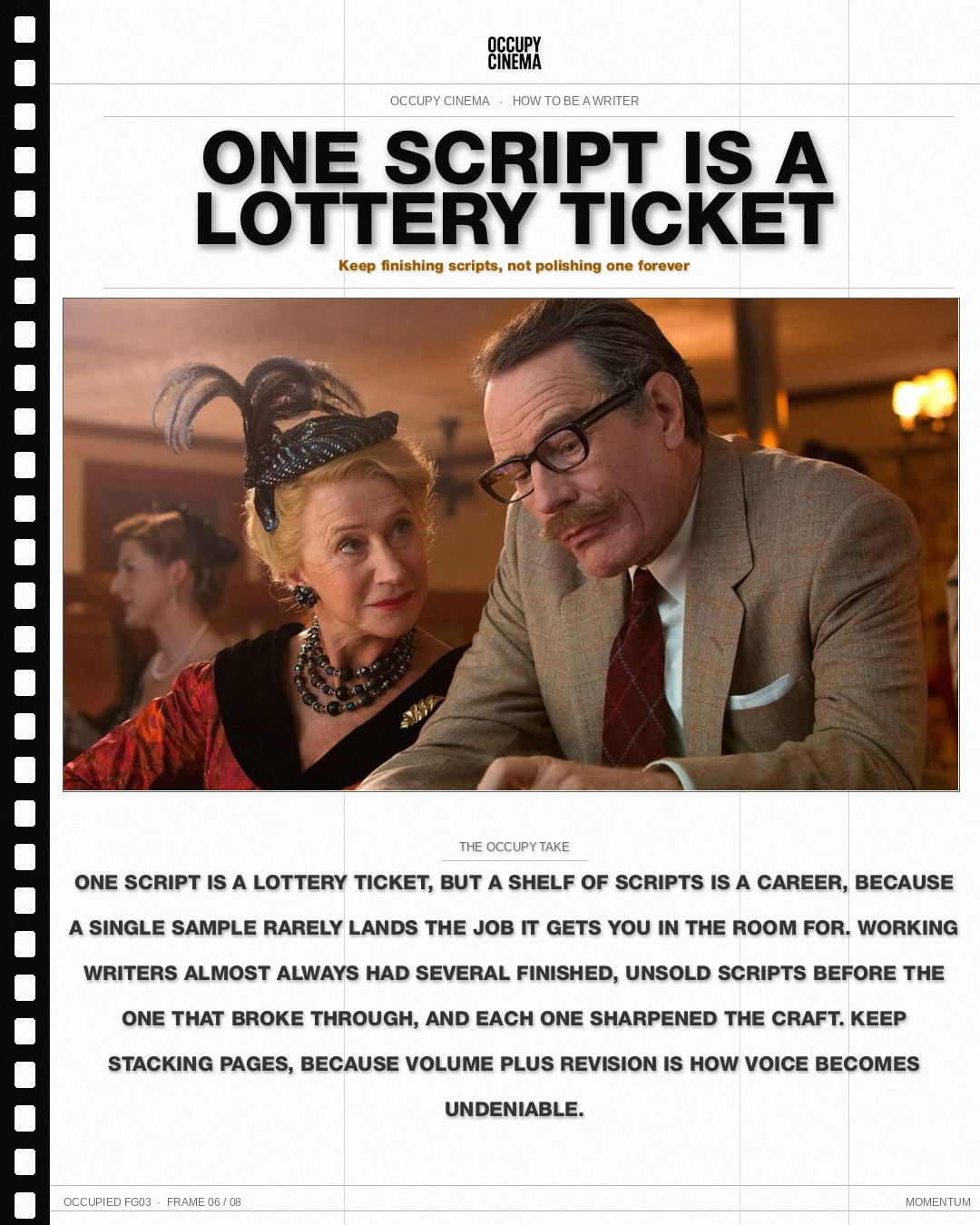
Programs like the Sundance Screenwriters Lab, the Nicholl Fellowship, or the Austin Film Festival screenwriting competition are not just about winning or getting discovered. They are about getting your work seen by industry professionals and receiving invaluable feedback. Many working writers had multiple finished, unsold scripts before one finally broke through. Persistence, and a healthy volume of finished material, are key.
Building Your Portfolio
Hollywood operates on a portfolio basis. One script might grab attention, but a collection of strong, diverse screenplays demonstrates range and staying power. Executives and agents want to know you are not a one-hit wonder. They want to see that you can consistently deliver high-quality material. This is why quantity, alongside quality, is so important. Keep writing. Keep finishing. That is how you build a career.