Occupy Cinema › Film News
Agnès Varda's “Cléo from 5 to 7” and the Architecture of Time
A deep dive into Agnès Varda's seminal 1962 film, exploring its groundbreaking use of real time, its place within the French New Wave, and its enduring legacy as a work of feminist cinema.
By Occupy Cinema ·
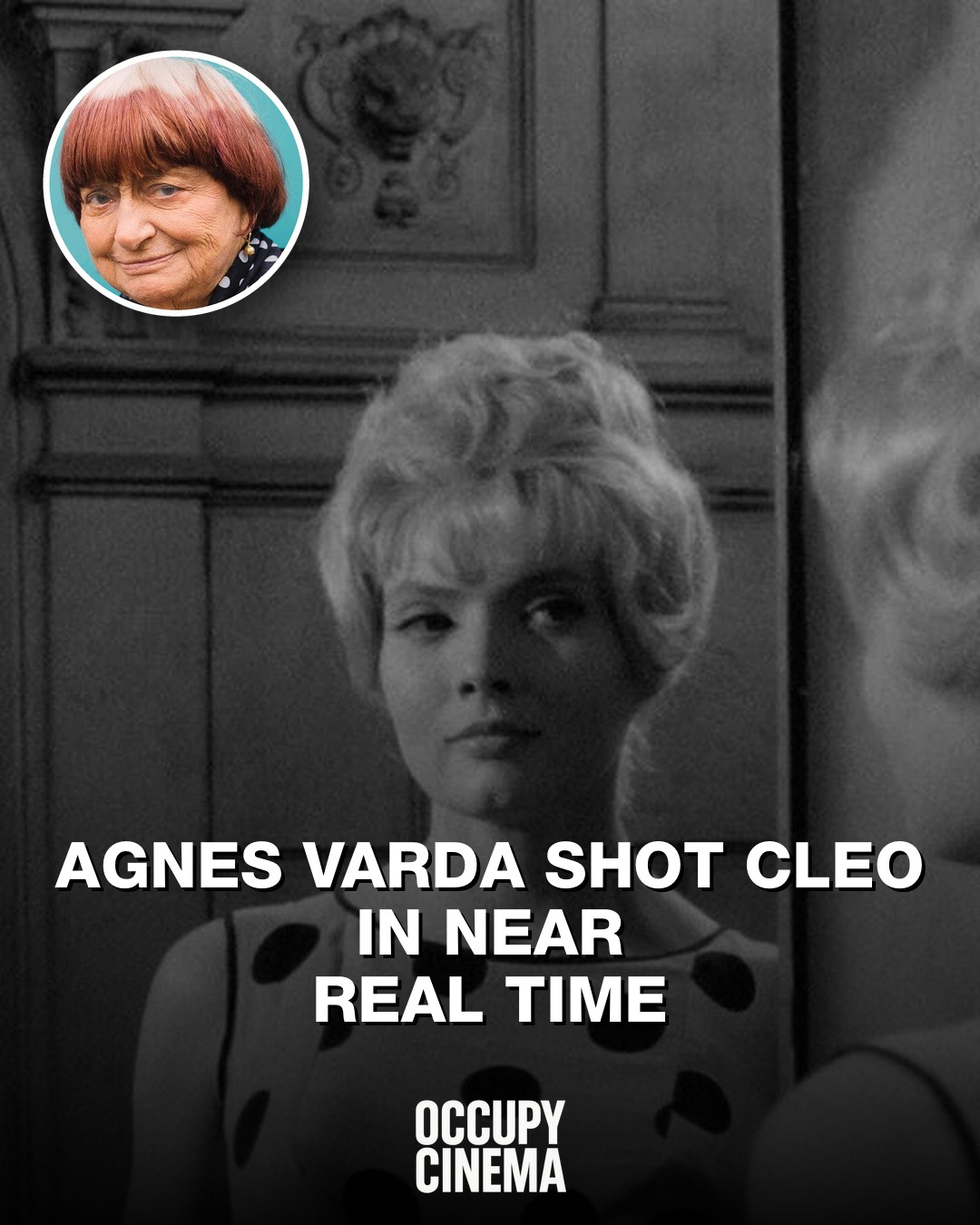
Agnès Varda's Agnès Varda 1962 masterpiece, Cléo from 5 to 7, remains a cornerstone of cinematic modernism and a testament to her singular vision. The film chronicles 90 minutes in the life of Florence, a pop singer known as Cléo Victoire, as she navigates Paris while awaiting potentially life-altering medical news. From 5:00 PM to 6:30 PM, the audience experiences time alongside Cléo in an almost one-to-one correspondence, a structural choice that elevates the film beyond a simple narrative.
Varda, often celebrated as the sole major woman director of the French New Wave, employed this real-time conceit not merely as a stylistic flourish but as a means to plunge viewers into Cléo's escalating anxiety and existential introspection. Each minute that ticks by on screen mirrors the character's internal clock, creating a palpable tension that defines the film's emotional landscape. This innovative approach to temporality was a radical departure from conventional narrative pacing, echoing the broader experimental spirit of the Left Bank filmmakers with whom Varda was often associated.
The Immediacy of Reality in Fiction
The film's structure is meticulously designed, with chapter titles marking the passage of time, further emphasizing the immediacy. Varda, with her background in photography and documentary filmmaking, masterfully blurred the lines between fiction and reality. She adopted the observational candor of cinéma vérité, a style then burgeoning, and transposed its raw, unadulterated quality onto a fictional narrative. This fusion allowed for a profound exploration of identity, vulnerability, and the human condition.
The streets of Paris become more than just a backdrop; they are an active participant in Cléo's journey of self-discovery. Her encounters, her observations, and her internal monologues are all amplified by the relentless march of time. This particular use of the urban environment would become a hallmark of New Wave cinema, where cityscapes were often imbued with psychological weight, reflecting the inner states of their protagonists.
A Foundational Work of Feminist Cinema
Beyond its formal innovations, Cléo from 5 to 7 holds significant status as a foundational work of feminist cinema. Cléo begins the film as an objectified figure, concerned with her appearance and the perceptions of others. As the 90 minutes unfold and she confronts her mortality, she gradually sheds these external layers, embarking on a journey of self-realization and agency. This transformation, catalyzed by the urgency of her medical prognosis, presented a complex female protagonist grappling with existential dread and societal expectations, a narrative not commonly seen in mainstream cinema of the era.
Varda's sympathetic and nuanced portrayal of Cléo's interior world resonated deeply and continues to influence filmmakers and scholars. Her work, including Cléo from 5 to 7, has been the subject of numerous retrospectives at institutions worldwide, from the Museum of Modern Art to the Cinémathèque Française, consistently reaffirming its place in the cinematic canon. The film’s lasting impact is a testament to Varda's ability to weave personal introspection with broader social commentary, making it an essential viewing for anyone interested in the history of film, the evolution of feminist discourse, or the enduring power of carefully constructed cinematic time.