Occupy Cinema › Film News
The Meticulous Craft of Animation: Five Films That Define Labor-Intensive Storytelling
Exploring the profound dedication behind animated features, we examine five films that exemplify animation as a uniquely intensive cinematic art form, from hand-painted frames to intricate stop-motion.
By Occupy Cinema ·
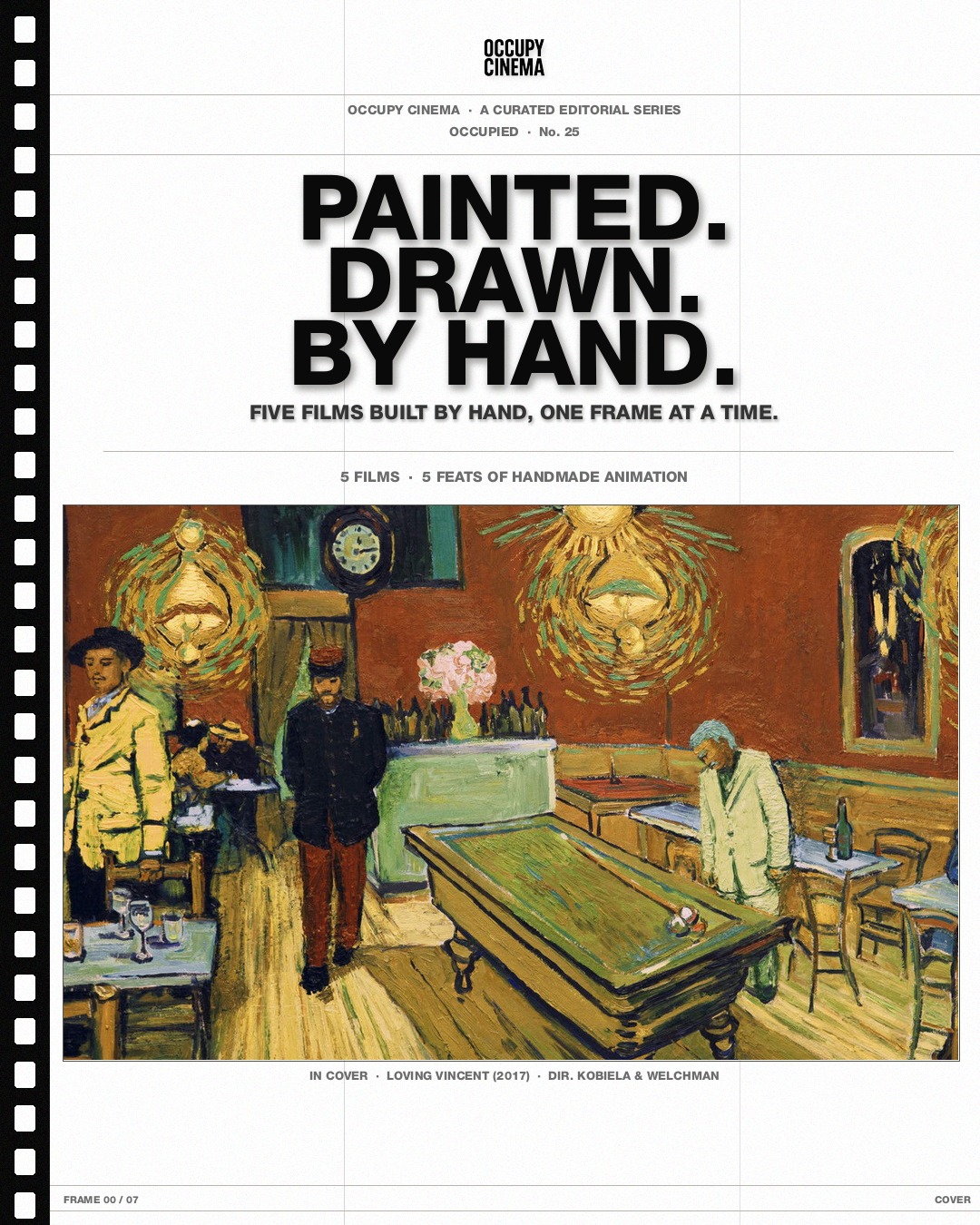
The creation of animated cinema often involves a degree of meticulousness that surpasses many live-action productions. Unlike filming extant reality, animation constructs every visual element from scratch. This process, by its very nature, demands significant time and human effort. We examine five distinct animated features that stand as testaments to this labor, each employing different techniques to bring their narratives to the screen.
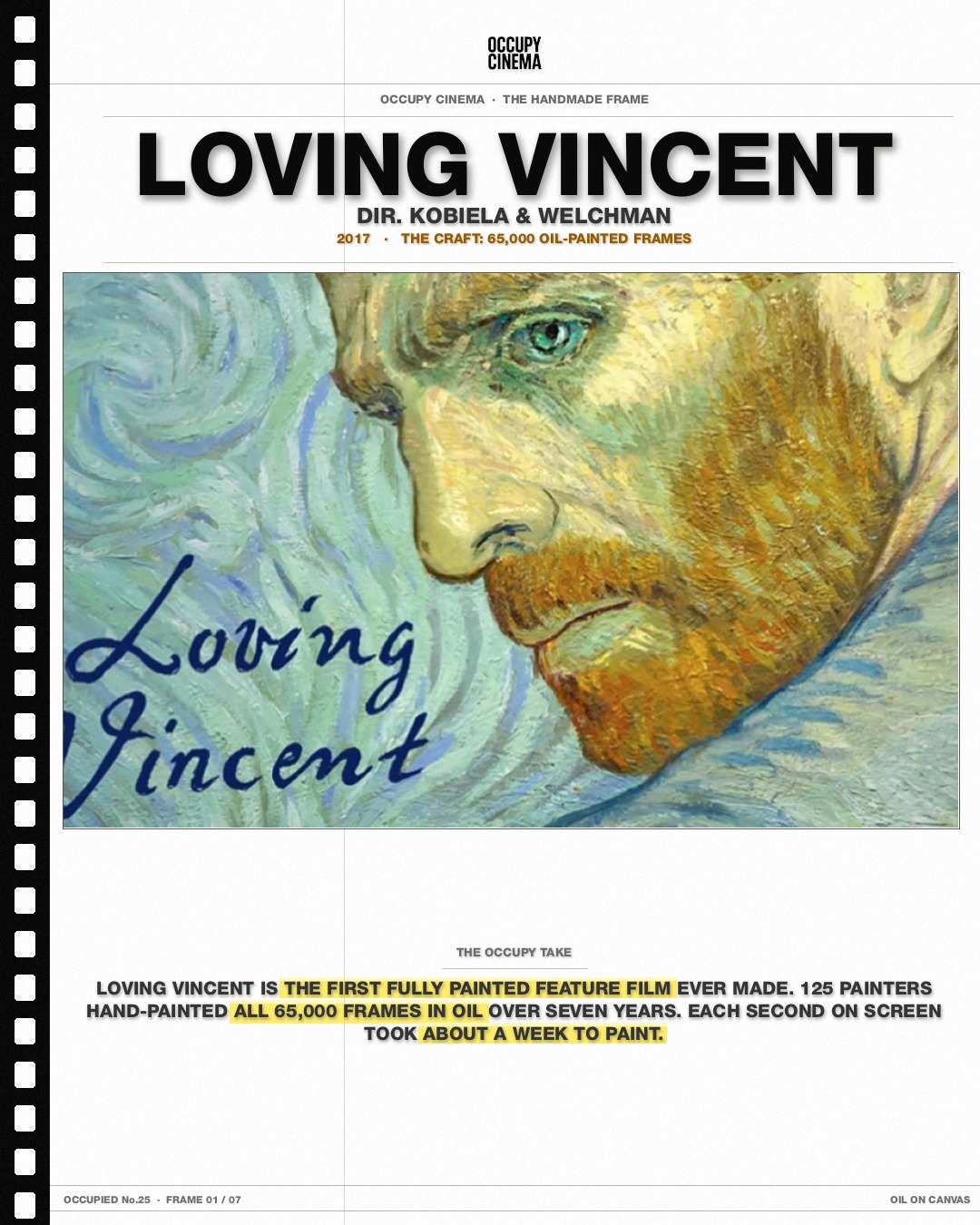
Consider Loving Vincent, a film remarkable for its visual methodology. The entirety of this feature was hand-painted in oil, frame by frame. Over 100 artists contributed to this endeavor, producing approximately 65,000 individual paintings to achieve the final motion picture. This approach is not merely stylistic, it is a foundational element of the film's narrative, mirroring the painting style of its subject, Vincent van Gogh. The sheer volume of individual artwork required for a feature-length film through this method illustrates a commitment to craft rarely seen.
Diverse Animation Methodologies
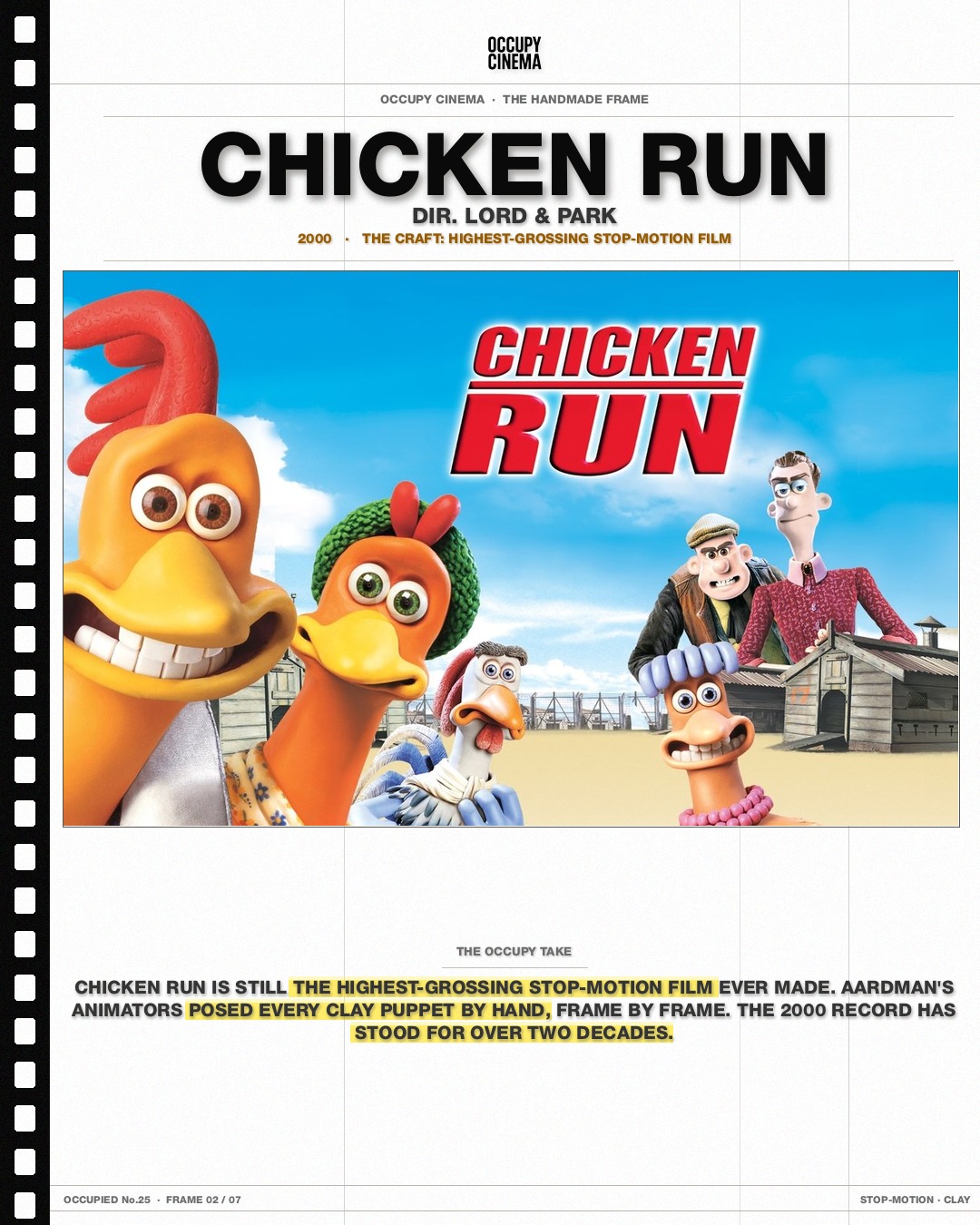
From the tactile world of stop motion, Aardman Animations' Chicken Run exemplifies another intensive technique. Stop motion involves physically manipulating puppets or models frame by frame, capturing each incremental movement with a still camera. The animation team meticulously crafts the environment, characters, and props from materials like clay, then adjusts them fractionally for each exposure. This method, while yielding a distinct visual charm, is inherently time-consuming, as every second of screen time corresponds to numerous individual physical adjustments and photographic captures.
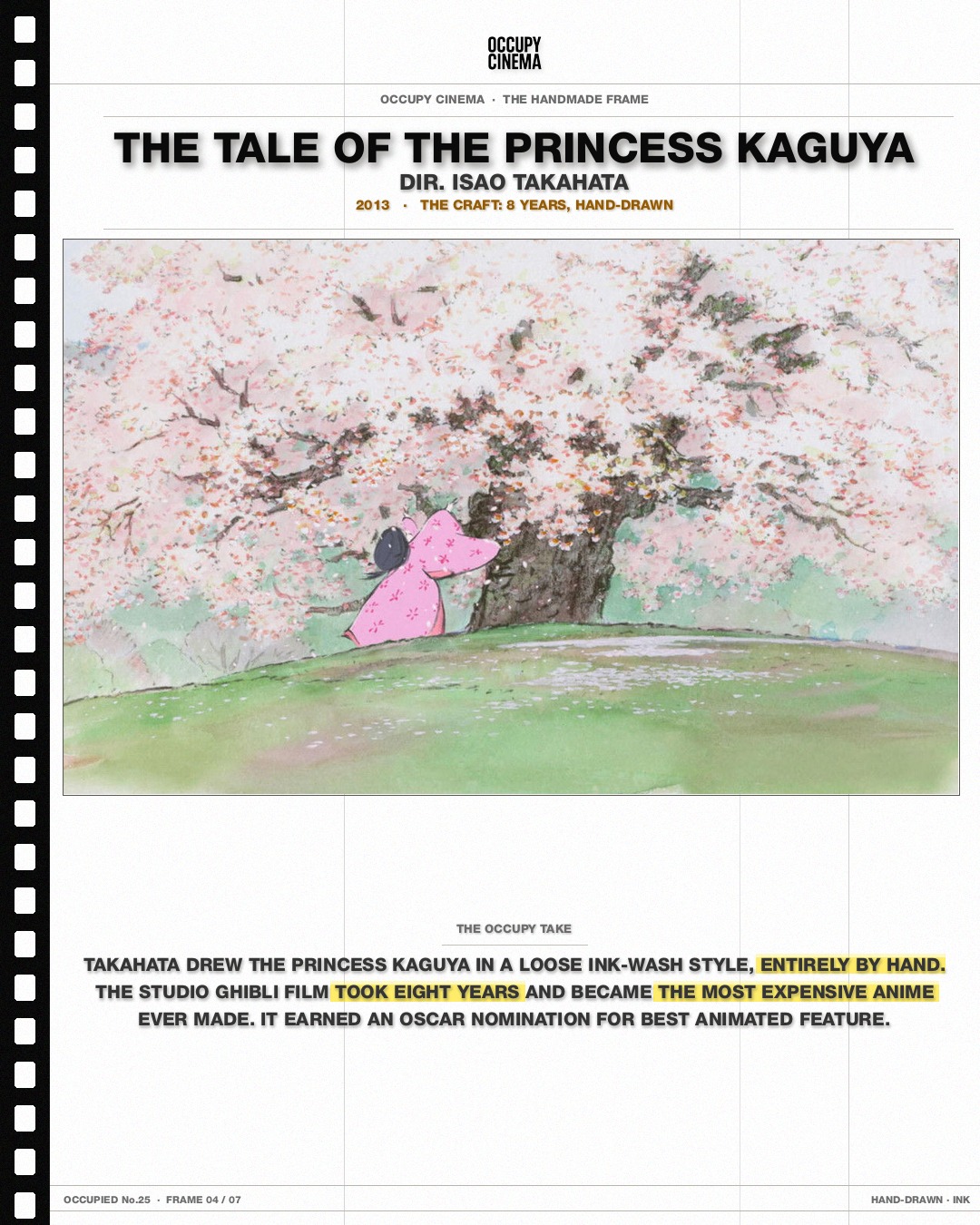
Studio Ghibli's The Tale of the Princess Kaguya, directed by the late Isao Takahata, presents a different facet of hand-drawn animation intensity. This film is characterized by its evocative brushstroke line work, a departure from the more polished aesthetics often associated with contemporary animation. The production involved extensive hand-drawn animation, with every frame reflecting the meticulous artistry of its creators. The visual style, reminiscent of traditional Japanese painting, required years of dedicated effort to realize, emphasizing the artistic vision over expediency.
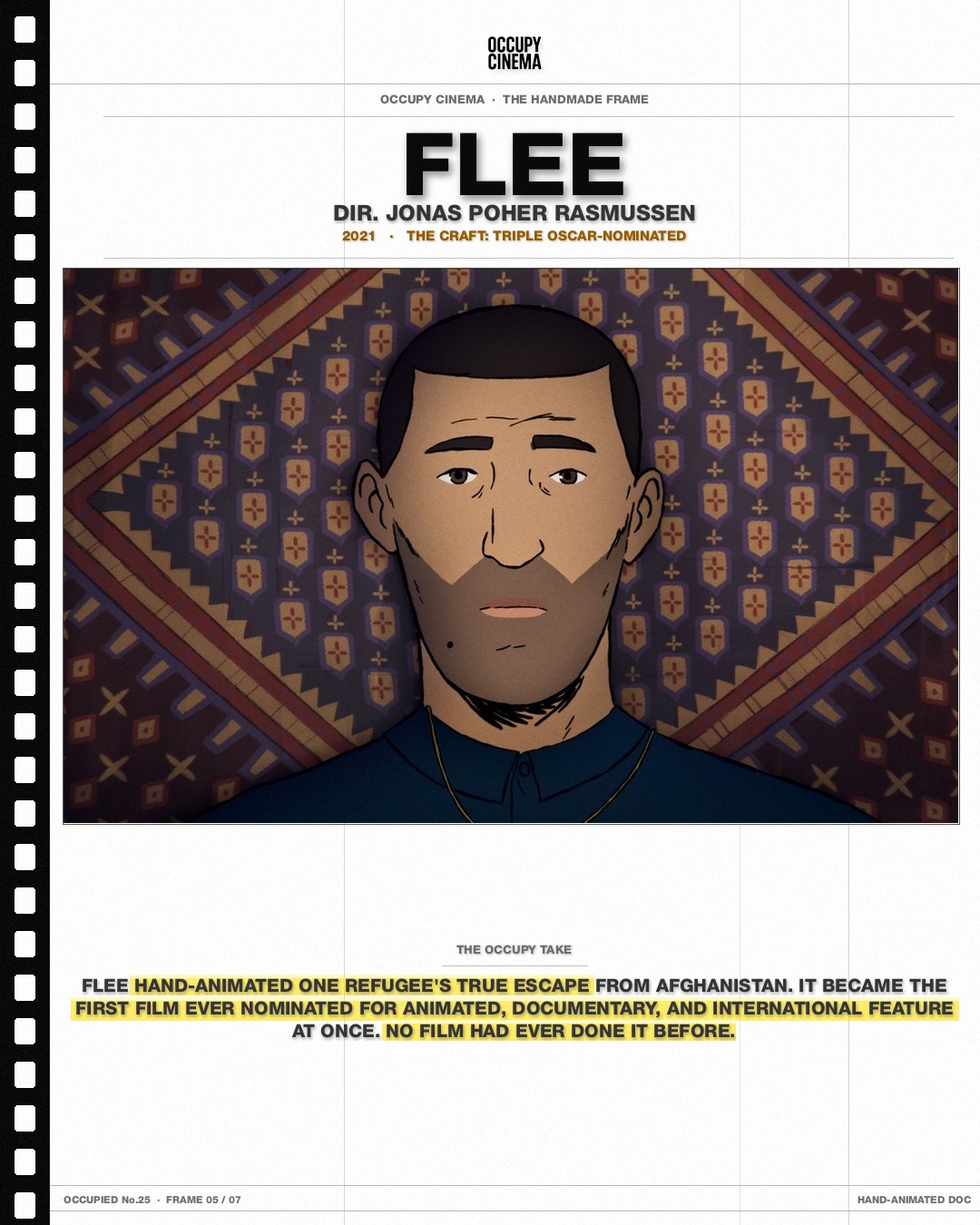
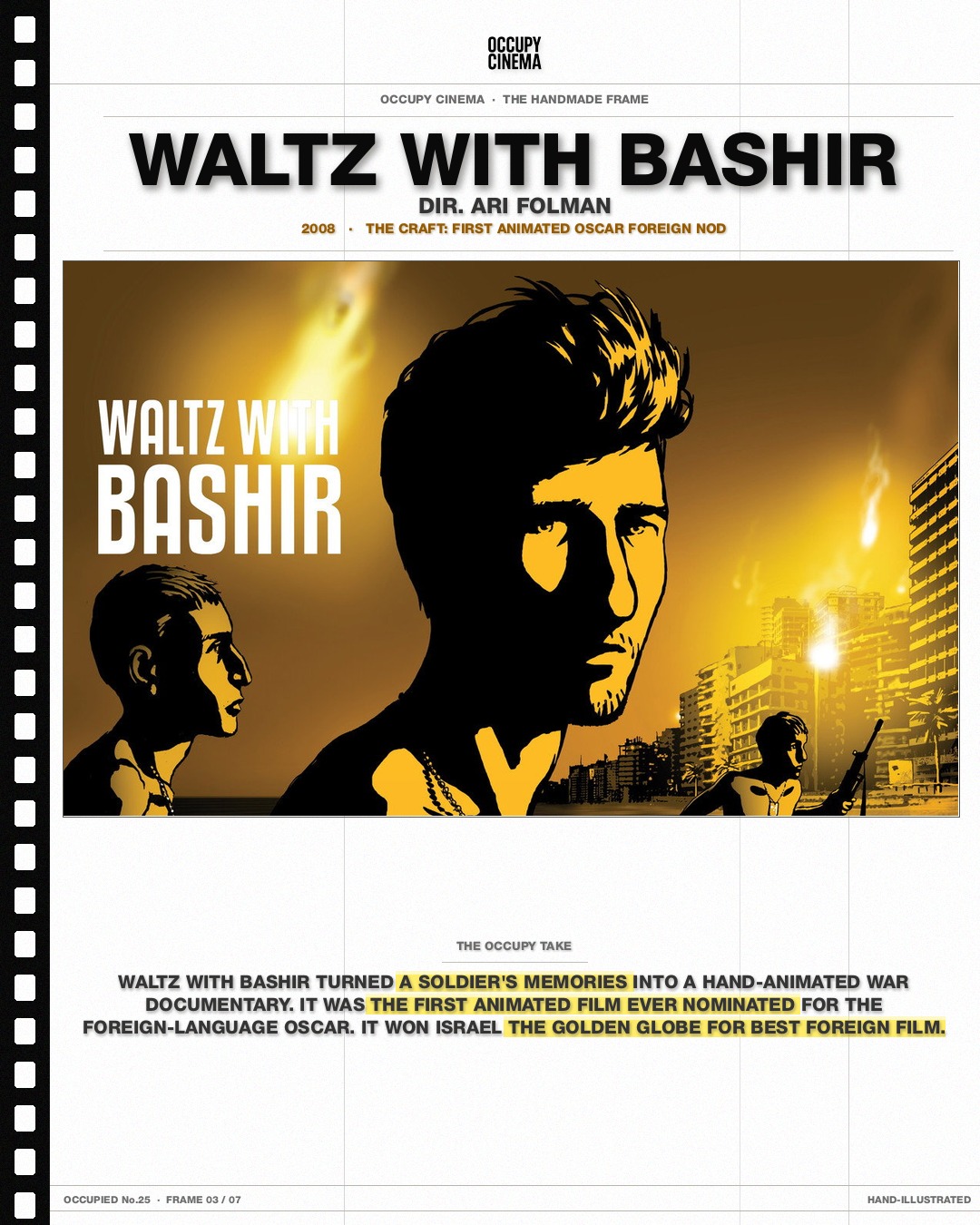
Waltz with Bashir and Flee demonstrate animation's capacity to address sensitive and complex subjects. Ari Folman's Waltz with Bashir employed animation to reconstruct the fragmented memories of a real war, creating a visual language capable of conveying the subjective nature of trauma. Similarly, Jonas Poher Rasmussen's Flee utilized animation to protect the identity of its subject, a refugee recounting his true story. This choice was not merely an aesthetic one, it was a narrative and ethical imperative. Flee achieved a notable industry milestone, being the first film to receive nominations for Best Documentary, Best International Feature, and Best Animated Feature in the same year, as reported by Variety. Both films leveraged the medium's unique properties to tell stories that might have been unfeasible, or at least significantly altered, in a live-action format.
These five films collectively illustrate that animation, regardless of its specific technique, is often the most labor-intensive method of cinematic storytelling. Each second on screen represents a composite of countless individual decisions, meticulous crafting, and sustained artistic execution. The duration required to produce these works often far surpasses that of a live-action film of equivalent length, a testament to the dedication inherent in the animated form. For further exploration of animation's role in film history, consider resources like Sight and Sound's analyses of influential animated works.