Occupy Cinema › Exhibition
The Ghost in the Machine: Annecy's Unsettling Confrontation with AI in Animation
A recent premiere at the Annecy International Animation Film Festival ignited a fierce debate about the place of artificial intelligence in an art form celebrated for its meticulous craft and human touch.
By Occupy Cinema ·
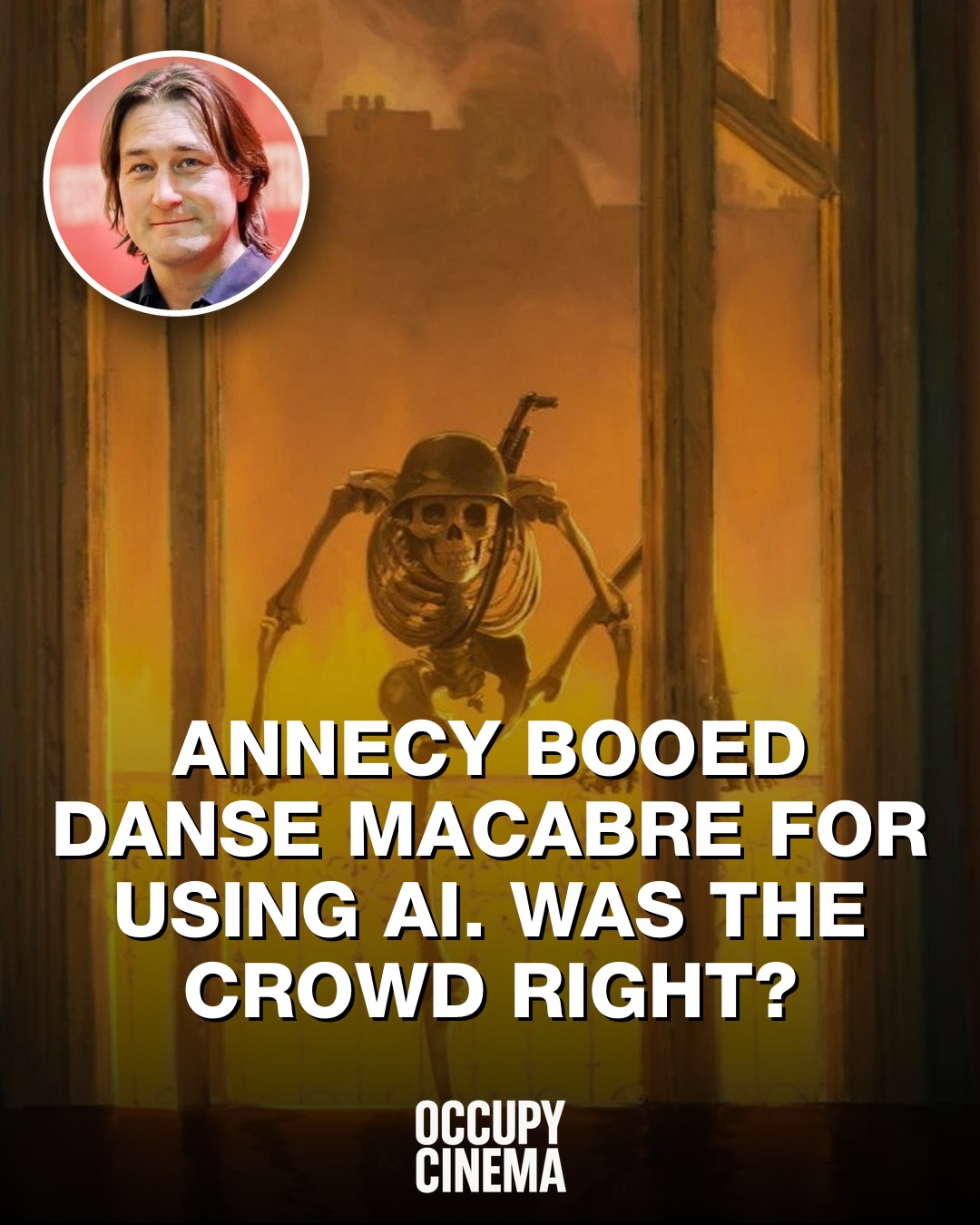
There are moments in the hushed expectation before a film begins, a collective breath held in the dark, that feel sacred. At the Annecy International Animation Film Festival, often considered the heart of global animation, this reverence is amplified, a testament to countless hours of intricate labor. But at a recent screening for Hisko Hulsing's short film, Danse Macabre, that sacred silence was shattered, not by the film itself, but by a rising tide of dissent. Before the first frame could truly unfold, a wave of boos and the rustle of departing bodies filled the hall, a stark, visceral rejection that echoed far beyond the walls of the theater.
Hulsing, a filmmaker known for his distinctive hand-painted style, found himself caught in a storm. He clarified that automated generation tools were employed not to create the core animation, but to apply complex lighting effects over his painstakingly rendered work. Yet, the audience, many of them animators themselves, had already rendered their verdict. This wasn't merely a critique of one film, but a powerful, collective statement about the encroaching shadow of artificial intelligence in an industry built on the human hand, the individual stroke, and the singular vision.
The Craft and the Code
For decades, animation has been a testament to patience and precision. From the meticulous cel painting of early Disney features to the intricate stop-motion worlds of Aardman, the medium has always celebrated the visible trace of human effort. The very essence of animation, in many ways, is the craft itself, the dedication to bringing static images to life through sheer will and skill. This incident at Annecy underscores a palpable fear: that the unique, inimitable quality born from human artistry might be diluted, or worse, replaced, by algorithms.
The debate around AI in creative fields is not new, but it has intensified dramatically over the past two years. In animation, a field where artists often dedicate years to a single project, the stakes feel particularly high. When audiences pay to see a film, they are not just paying for a story, but for the demonstrable artistry behind it. The question reverberating through the animation community is whether the integration of automated tools, even for seemingly auxiliary tasks like lighting, compromises that fundamental exchange between artist and viewer. Publications like The Hollywood Reporter have chronicled this growing tension, noting how swiftly the conversation has moved from theoretical concerns to very public confrontations.
A Shifting Landscape for Artisans
This episode at Annecy serves as a potent microcosm of a broader industry struggle. Animators, like many other creatives, are grappling with the practical implications of AI. While proponents argue that these tools can streamline workflows and free artists for more creative endeavors, the fear of job displacement and the erosion of artistic integrity remains paramount. The industry's reliance on specialized software, from tools like Toon Boom Harmony for 2D animation to Autodesk Maya for 3D, has always been about empowering artists, not replacing them. The distinction, however, is becoming increasingly blurred.
The reaction to Danse Macabre was not a personal attack on Hisko Hulsing, but a collective cry from a community feeling the tremor of a technological shift. It was a clear message, broadcast from one of animation's most revered stages, that the value of human craft, ingenuity, and soul in filmmaking remains non-negotiable for many. As the industry continues to evolve, finding a harmonious path forward, one that embraces innovation without sacrificing the very essence of artistry, will be its most profound challenge. The echoes of that Annecy evening will undoubtedly resonate for years to come, reminding us of the delicate balance between progress and preservation.