Occupy Cinema › Box Office
Curry Barker's 'Obsession' and the Enduring Power of Micro-Budget Cinema
Curry Barker's 'Obsession' defied expectations with its significant box office success, proving that financial constraints can breed innovative filmmaking and theatrical viability.
By Occupy Cinema ·
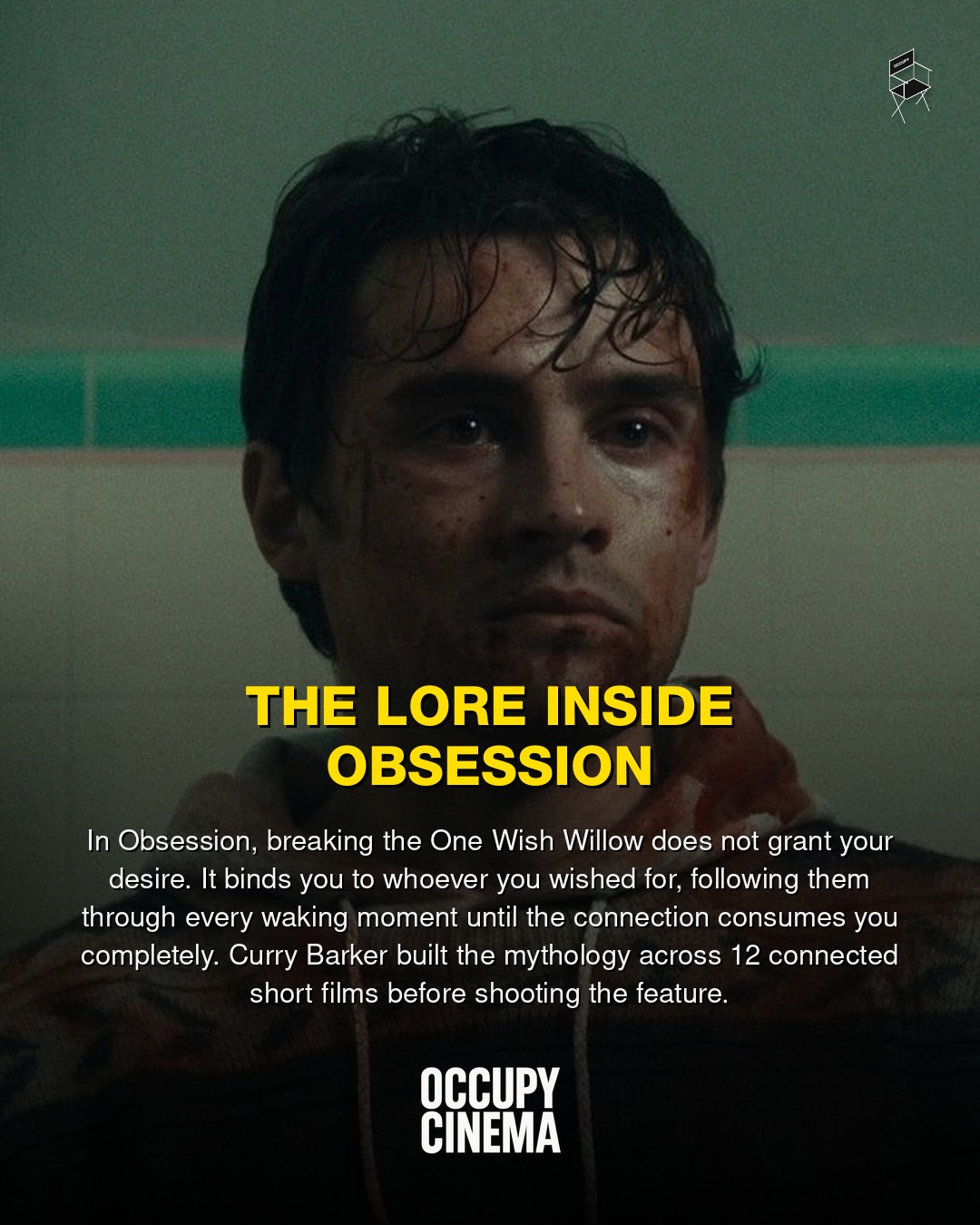
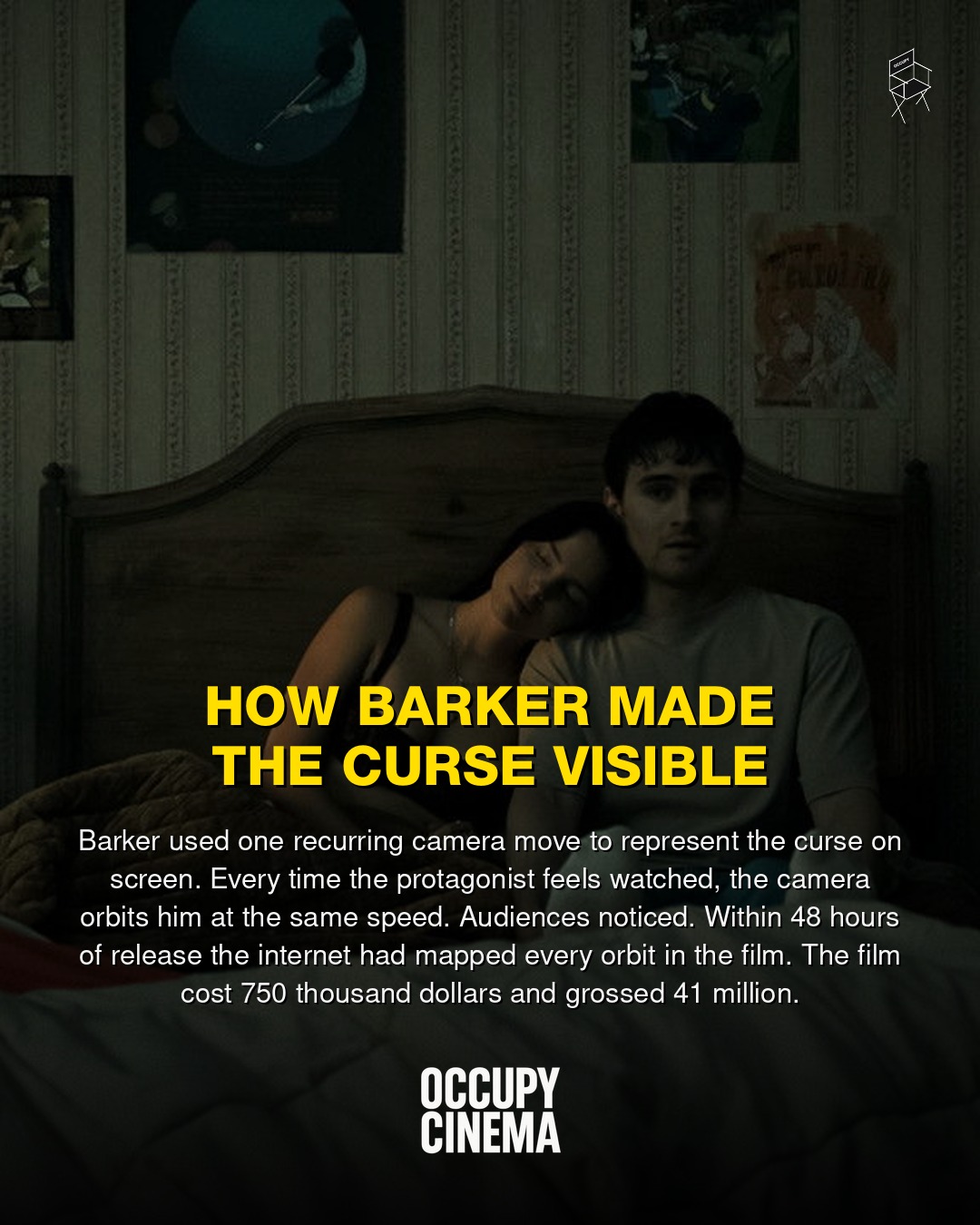
In an era where blockbuster budgets routinely soar into the hundreds of millions, the story of Curry Barker's Obsession offers a compelling counter-narrative. Produced for a reported 750,000, a figure often eclipsed by the catering budgets of major studio productions, the film went on to gross an astonishing 371 million worldwide after its acquisition by Focus Features. This success is not merely a feel-good anecdote, it is a significant data point in the ongoing dialogue about sustainable filmmaking models and theatrical distribution in the 21st century.
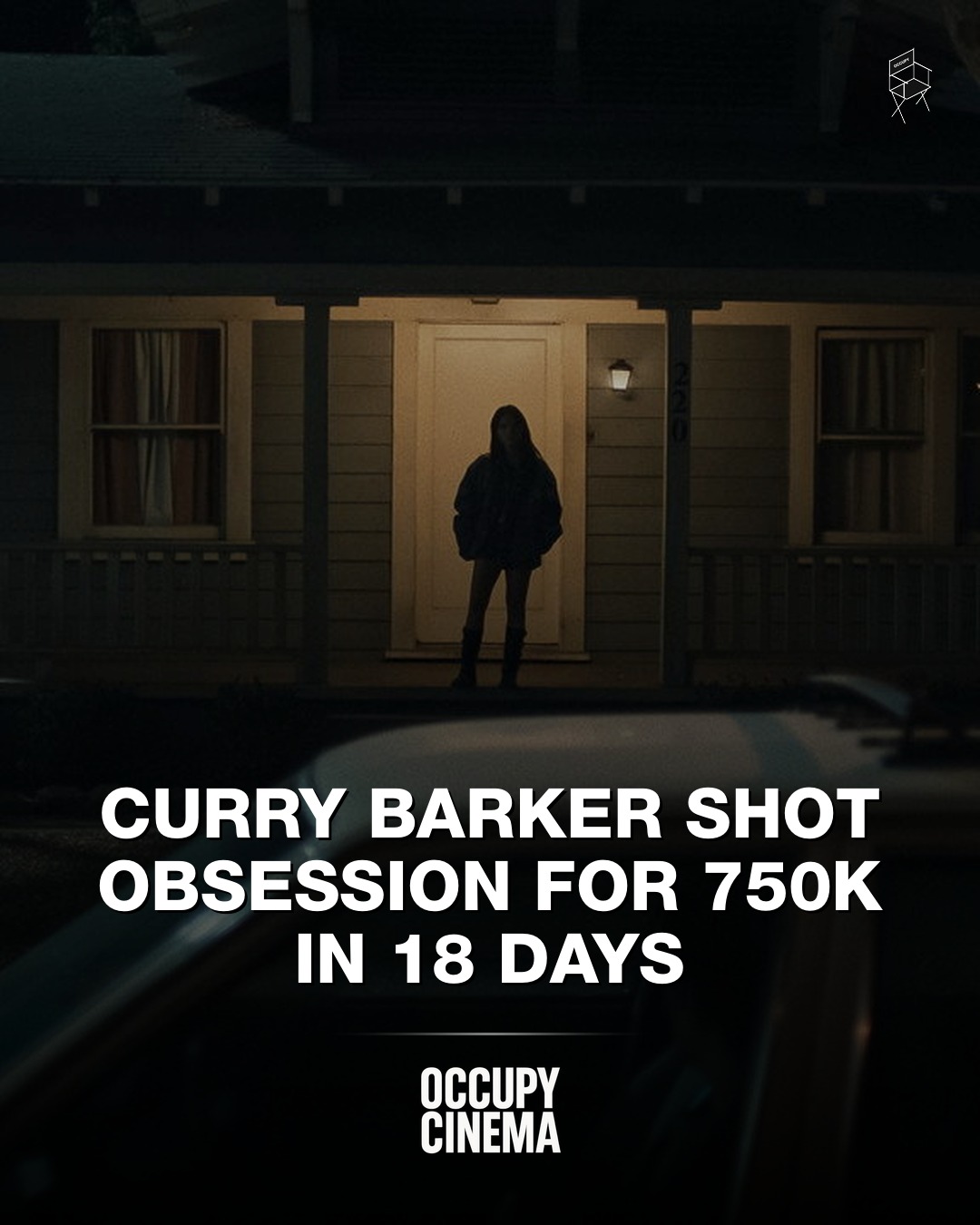
Barker's approach to Obsession was a masterclass in efficiency and creative constraint. The film was shot over a tight 18-day schedule, utilizing a skeleton crew and leveraging available locations within a single city. This disciplined methodology, demanding meticulous planning and agile problem-solving, ensured that the production remained on track and within its modest financial parameters. It underscores a fundamental truth in filmmaking, that limitations can often be the crucible for ingenuity.
The Economic Imperative of Independent Cinema
The triumph of Obsession highlights the economic pressures and creative opportunities within independent cinema. While the industry often chases economies of scale, Barker demonstrates that a focused, resourceful approach can still yield significant returns. The film's critical and commercial reception has positioned Barker as one of the most talked-about emerging directors, sparking conversations about how emerging talent can navigate, and indeed thrive, within a challenging landscape. It also provides a blueprint for other aspiring filmmakers who might feel daunted by the financial barriers to entry in the industry.
This success is particularly resonant given the evolving theatrical market. As streaming platforms diversify content consumption, the ability of a micro-budget film to command significant theatrical gross is a testament to its intrinsic quality and effective distribution strategy. Focus Features, known for its discerning taste in independent and art-house fare, recognized the potential in Barker's work, proving that strategic partnerships remain crucial for independent features to reach a broader audience. You can read more about Focus Features' slate and strategy on The Hollywood Reporter.
The filmmaking community, from producers to casting directors, often grapples with the tension between artistic ambition and financial reality. Barker's Obsession offers a compelling argument that these two forces need not be mutually exclusive. It reinforces the idea that compelling narratives, expertly executed, can find their audience regardless of the zeros on their budget sheet. This is a vital lesson for an industry often preoccupied with scale, reminding us that the core of cinema remains storytelling, and that story can be told effectively with a lean, dedicated team and a clear vision. The choice of camera, for instance, often defaults to high-end digital cinema cameras, but many independent filmmakers find success with more accessible options like the Blackmagic Pocket Cinema Camera or even advanced mirrorless cameras. This flexibility allows for resources to be allocated where they matter most, on screen.
The example of Obsession should encourage further investment in and recognition of disciplined micro-budget productions. It is a powerful rebuttal to the notion that only films with massive financial backing can achieve widespread theatrical success. Instead, it champions the ingenuity, resilience, and artistic integrity that often define the independent filmmaking spirit. For a deeper dive into micro-budget success stories, IndieWire regularly covers such phenomena.