Occupy Cinema › Business
A Shadow Across the Screen: Disney's Continued Layoffs Darken the Animation Landscape
The latest wave of job reductions at Disney, impacting Pixar, National Geographic, and ABC News, paints a sobering picture of an industry grappling with economic pressures even as creative triumphs are celebrated.
By Occupy Cinema ·
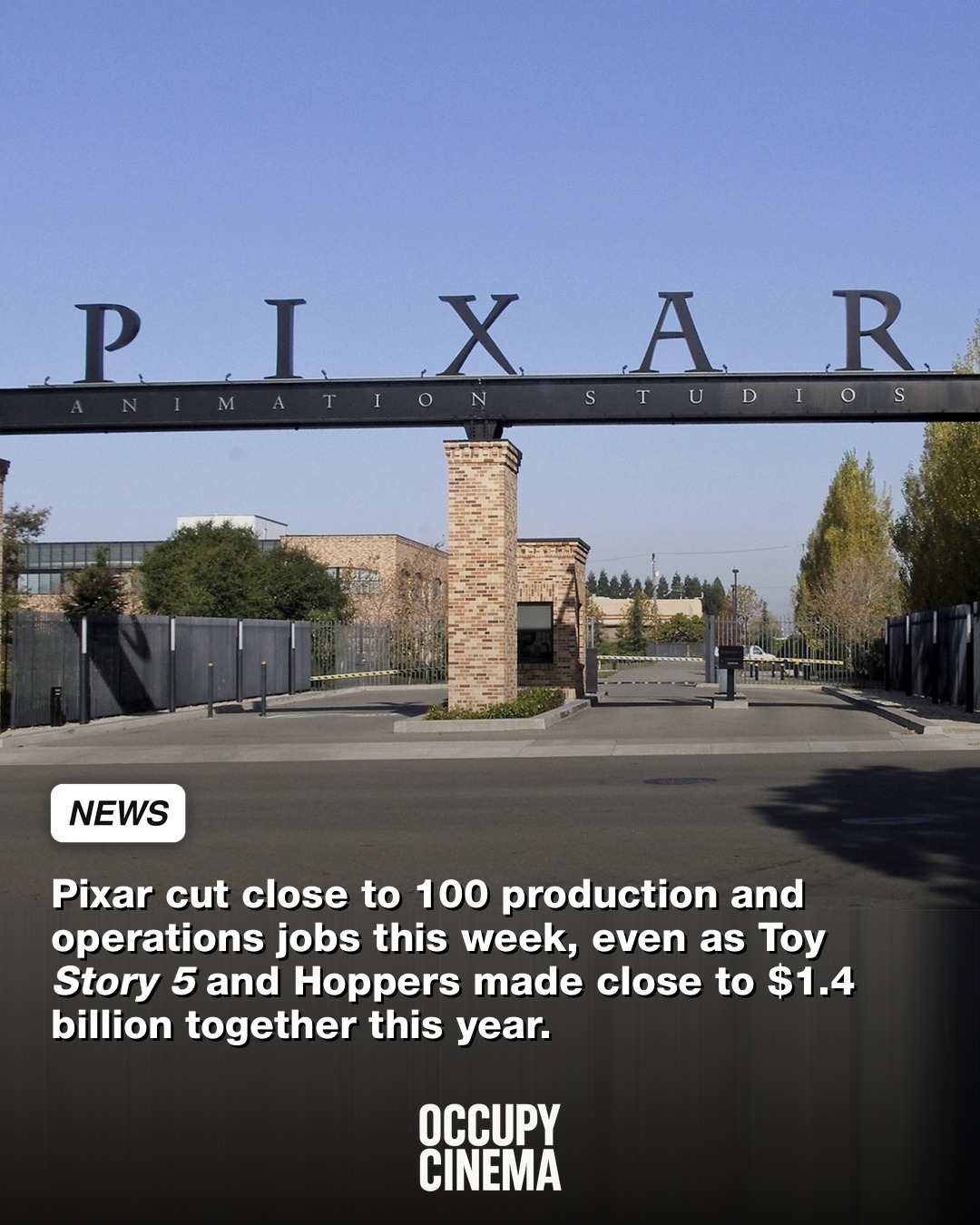
There is a chill in the air, a quiet hum of uncertainty that sometimes settles over even the most vibrant creative spaces. This week, that chill has touched the hallowed halls of Disney once more, as the company announced a fresh round of job cuts across its vast empire. This marks the third such restructuring in the year 2026, a disconcerting rhythm for an industry often seen as a beacon of imaginative possibility.
Among the hardest hit, as reported, is Pixar Animation Studios, a name synonymous with innovation and heart in animated storytelling. Nearly 100 positions are being eliminated from its production and operations teams, a high single digit percentage of its approximately 1, 100 dedicated staff. This news arrives with a particular poignancy given Pixar's recent successes, with films like Toy Story 5 and Hoppers collectively earning close to 1.4 billion dollars worldwide this year. It feels like a paradox, a moment when the lights should be brightest, yet shadows lengthen.
The Broader Canvas of Contraction
The reductions extend beyond the magical realm of Pixar. National Geographic, a cornerstone of educational and exploratory content, is also seeing close to 100 roles disappear. Even the steady pulse of news, represented by ABC News, felt the impact, with about a dozen positions cut. These are not merely numbers, but individuals, voices, and invaluable contributions to the diverse tapestry of Disney's output.
It is important to remember that this current wave follows a significant restructuring at Pixar earlier, in May 2024, which saw 175 jobs, or 14 percent of its staff, eliminated. Disney CEO Josh D'Amaro has framed these ongoing decisions as part of a larger, company, wide cost, cutting initiative that began earlier in the year. While the rationale is often financial efficiency, the human cost of such measures always weighs heavily.
Art and Commerce in an Evolving Landscape
The art of filmmaking, particularly animation, is a delicate balance of boundless imagination and rigorous, often costly, execution. Directors like Hayao Miyazaki and Wes Anderson remind us that great cinema often emerges from deeply personal visions, meticulously crafted over years. The news from Disney and Pixar, however, underscores the intensifying pressure on even the most established studios to navigate a rapidly changing media landscape, where streaming wars, evolving audience habits, and global economic shifts demand constant adaptation.
The tension between artistic ambition and corporate fiscal targets is an old story in Hollywood, but it feels particularly acute now, when the very structures of content creation and distribution are in flux.
One hopes that these adjustments, while painful in the present, will ultimately lead to a sustainable future where creativity can continue to flourish. The cinematic world thrives on diverse voices and the intricate dance of collaboration. When jobs are lost, it is not just positions, but potential stories, innovative techniques, and unique perspectives that are also diminished. We watch these developments closely, understanding that the health of these major studios directly impacts the broader ecosystem of film and the art forms they champion. The Hollywood Reporter and Variety have both covered these recent developments, offering further insights into the scale of these changes.
Luna Greenwood, World and Arthouse, Occupy Cinema.
Related reading: Making Movies by Sidney Lumet, a master class on the craft of filmmaking.