Occupy Cinema › Film News
The Billion-Dollar Handshake: Lucas, Spielberg, and the Unforeseen Fortunes of 1977
A legendary wager between George Lucas and Steven Spielberg during a tumultuous Star Wars production illuminates the unpredictable nature of blockbuster success and enduring professional honor.
By Occupy Cinema ·
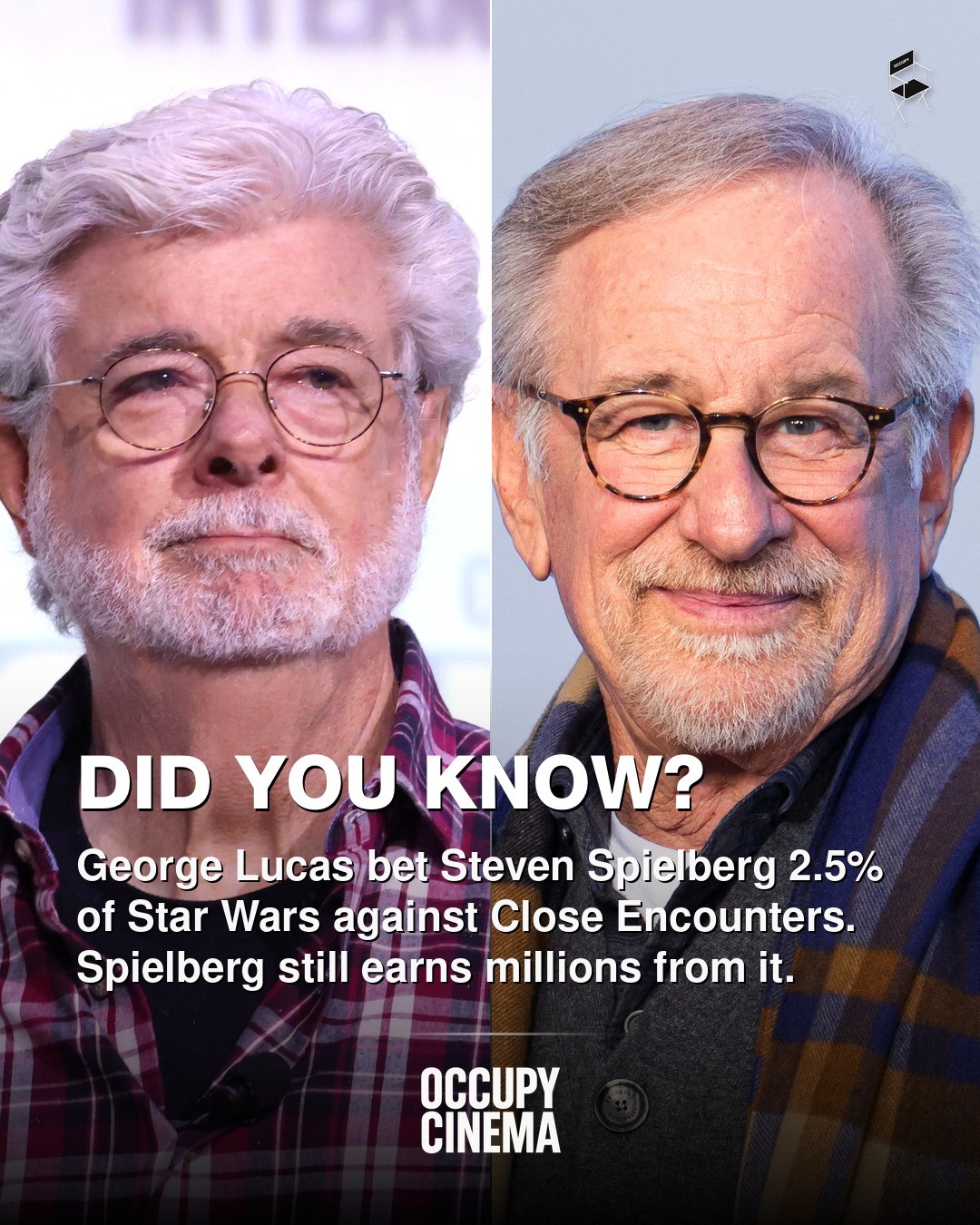
In the annals of Hollywood lore, few stories capture the imagination quite like the informal wager between George Lucas and Steven Spielberg. This legendary exchange, occurring amidst the fraught production of Star Wars: A New Hope, speaks volumes about the anxieties of creation, the unpredictability of audience reception, and the enduring power of professional integrity. It is a narrative frequently recounted, often with a romanticized flourish, but its core lessons remain acutely relevant for filmmakers and industry observers today.
The year was 1977. Lucas, then a director grappling with the technical and narrative challenges of his ambitious space opera, found himself on the set of Spielberg's Close Encounters of the Third Kind. Plagued by self-doubt and the notorious difficulties of his own shoot, Lucas made an offer that would echo through cinematic history: a swap of 2.5 percent of their respective films' net profits. Convinced that Spielberg's UFO epic was destined for greater commercial success, Lucas believed he was hedging against potential failure. History, of course, would prove him spectacularly mistaken.
A Cultural Phenomenon and Lasting Legacy
Star Wars: A New Hope did not merely succeed, it redefined the blockbuster landscape, becoming a cultural touchstone that launched an expansive franchise. Its impact on filmmaking, merchandising, and popular culture is almost incalculable. Meanwhile, Close Encounters of the Third Kind, while a critical and commercial success in its own right, did not achieve the same stratospheric global dominance. The consequence of that handshake deal? Spielberg, by many accounts, has reaped tens of millions of dollars from his fractional stake in Star Wars over the decades, a testament to the unforeseen financial power of intellectual property.
This saga underscores several critical facets of the entertainment industry. Firstly, it highlights the immense pressure and uncertainty inherent in large-scale film productions. Even seasoned filmmakers, with substantial track records, grapple with the fear of failure. Secondly, it illustrates the profound, often unexpected, commercial longevity that certain films can achieve. A small percentage of a global phenomenon can generate wealth far beyond initial projections. Thirdly, and perhaps most importantly, it showcases the integrity of both individuals involved. In an industry often characterized by aggressive negotiation and broken promises, both Lucas and Spielberg honored their informal agreement, maintaining a friendship and mutual respect that transcended the financial implications. This speaks to a different era of deal-making, one where a gentleman's agreement held significant weight.
Beyond the Box Office: The Art of Prediction
The Lucas/Spielberg pact also serves as a potent parable about the futility of predicting artistic or commercial outcomes with absolute certainty. The factors contributing to a film's success are multifarious, encompassing everything from marketing and critical reception to sheer cultural zeitgeist. No algorithm or industry expert can definitively forecast which stories will resonate most deeply with audiences or which franchises will endure for generations. The impact of Star Wars on the film industry, for instance, extended far beyond its immediate box office, influencing everything from special effects techniques, often achieved with Panavision cameras and anamorphic lenses, to how studios perceived the value of ancillary markets and merchandise.
This historical moment offers valuable insight for contemporary filmmakers and executives. It encourages a degree of humility in prognostication and a recognition that some of the greatest successes emerge from challenging circumstances and unexpected turns. The enduring friendship and professional respect between Lucas and Spielberg, underpinned by an honorable adherence to an informal deal, remains a powerful narrative in an industry that frequently prioritizes profit above all else. It reminds us that sometimes, the most valuable currency in Hollywood is not just money, but trust and an appreciation for the unpredictable magic of cinema. For more on the making of these iconic films, explore resources like IndieWire's retrospectives on Spielberg's early work and The New York Times' coverage of the Star Wars saga.