Occupy Cinema › Film News
The Unseen Narratives: Why Gen Z Needs Its Own Camera, Now
A generation steeped in documentation inexplicably lacks its own cinematic voice, a void that needs urgent filling before history is written without them.
By Occupy Cinema ·
The Documented, Not the Documentarians
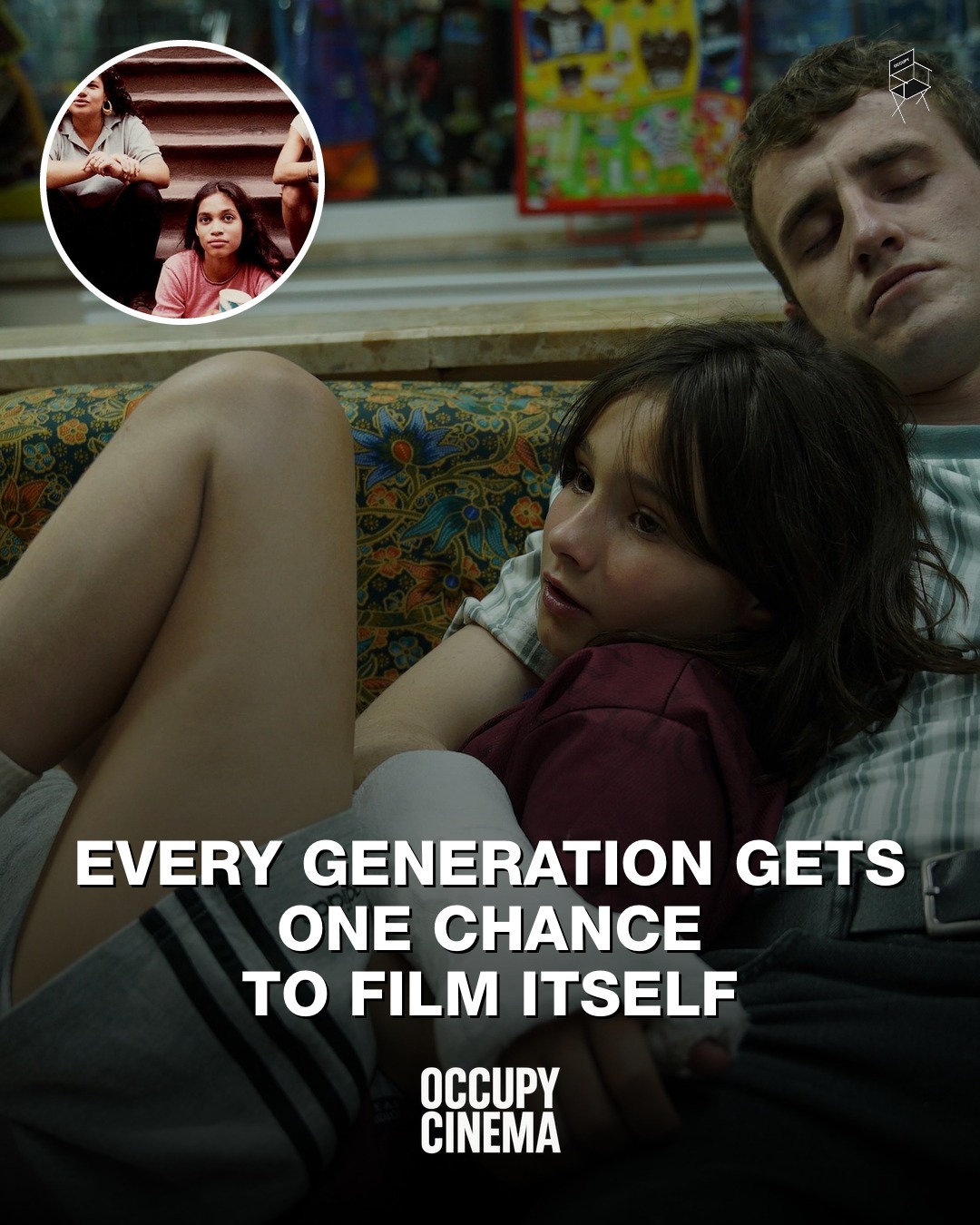
Every generation, it seems, gets one shot at cinematic self-portraiture. The Boomers, those titans of cultural upheaval, gave us New Hollywood, a raw, unflinching mirror held up to a turbulent era. Gen X, ever the cynical iconoclasts, birthed the indie boom of the nineties, a glorious mess of lo-fi angst and authentic voices. Millennials, bless their avocado toast and existential dread, had mumblecore and the nascent, chaotic energy of early YouTube, a digital diary of their coming of age. Each era, in its own distinct way, filmed itself from the inside out, capturing a zeitgeist as it unfolded. But what of Gen Z and the nascent Gen Alpha?
These are the most documented generations in human history, a constant stream of curated selfies, viral TikToks, and meticulously crafted online personas. Yet, paradoxically, most of the cameras pointed at them are not their own. They are the subjects, not the authors, of their own stories on the big screen. We see them through the lens of established studios, often filtered through the perspectives of older generations. It is a fundamental imbalance, a glaring omission in the annals of cinematic history, and one that demands immediate rectification.
Funding the Future, Before It's Too Late
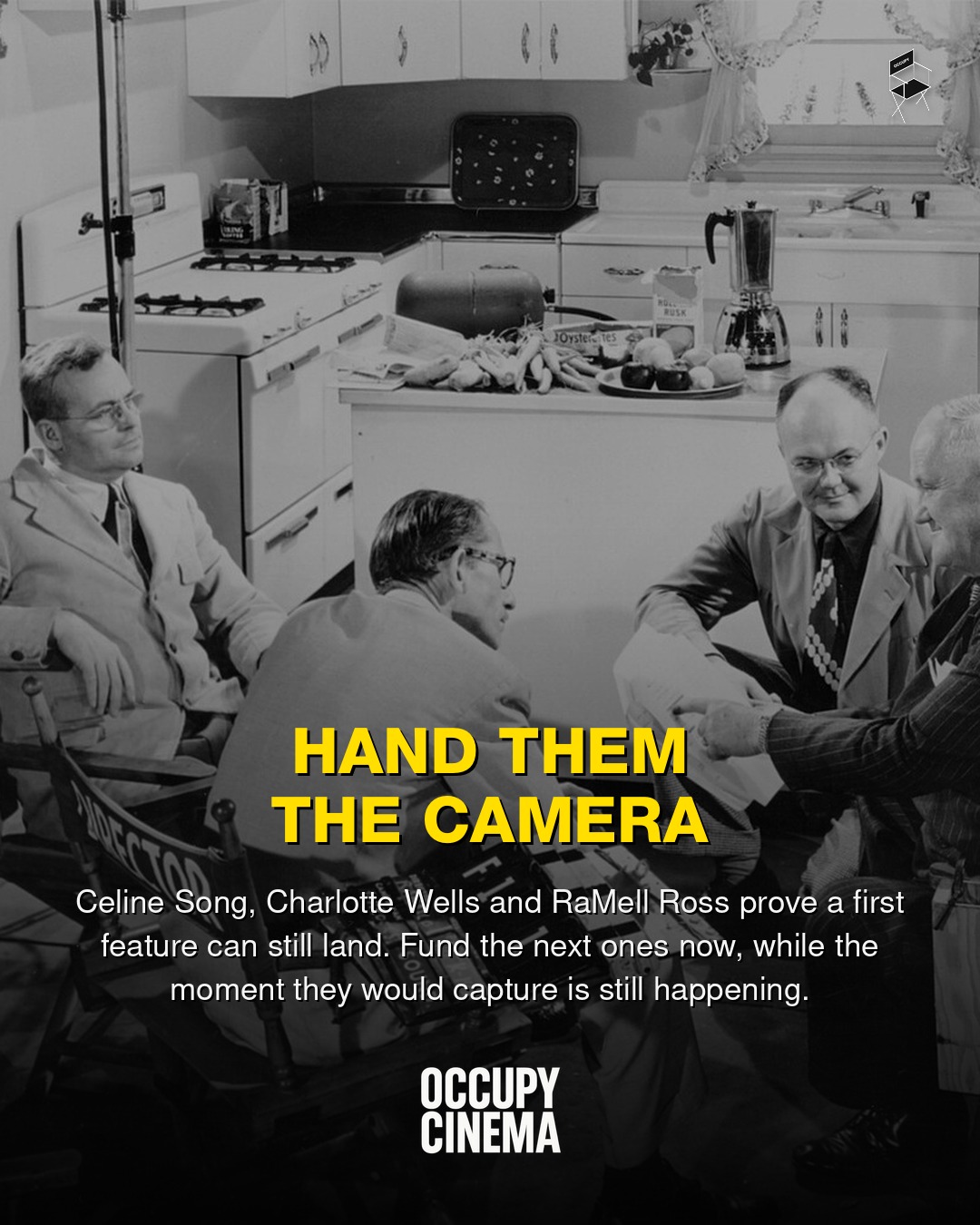
The argument that the cinematic landscape is too crowded, too expensive, too insurmountable for new voices is a tired one, and frankly, a lazy excuse. The recent successes of Celine Song's Past Lives, Charlotte Wells's aftersun" target="_blank" rel="noopener nofollow">Aftersun, and RaMell Ross's Hale County This Morning, This Evening are not just feel-good stories; they are irrefutable proof that a powerful, authentic first feature can still cut through the noise and land with resounding impact. These films, diverse in their subject matter and aesthetic, share a common thread: they are deeply personal, urgently felt, and undeniably fresh. They are not chasing trends; they are setting them.
So the answer, my friends, is not complex. It is not shrouded in mystery or reliant on some industry magic trick. The answer is simple, stark, and staring us right in the face: fund the next ones now. While the moment they would capture is still unfolding, while the unique anxieties, joys, and complexities of Gen Z and Gen Alpha are still raw and immediate, we must invest in their cinematic voices. We need to empower these emerging talents with the resources to pick up a camera, be it a battered Blackmagic Pocket Cinema Camera or an iPhone, and tell their own damn stories.
Whose story, I ask you, is currently going unfilmed? What vital perspective are we missing? What cultural nuances are slipping through our fingers because we are too slow to equip the next generation of storytellers? The biggest risk is not funding the next generation of filmmakers; it is allowing their stories to remain untold. History, after all, is written by those who hold the pen, or in this case, the lens. Let's make sure Gen Z and Gen Alpha get their turn.