Occupy Cinema › Film News
Lauren Lindberg's 'Fall of the Phoenix' Explores Brain Injury Through Magical Realism
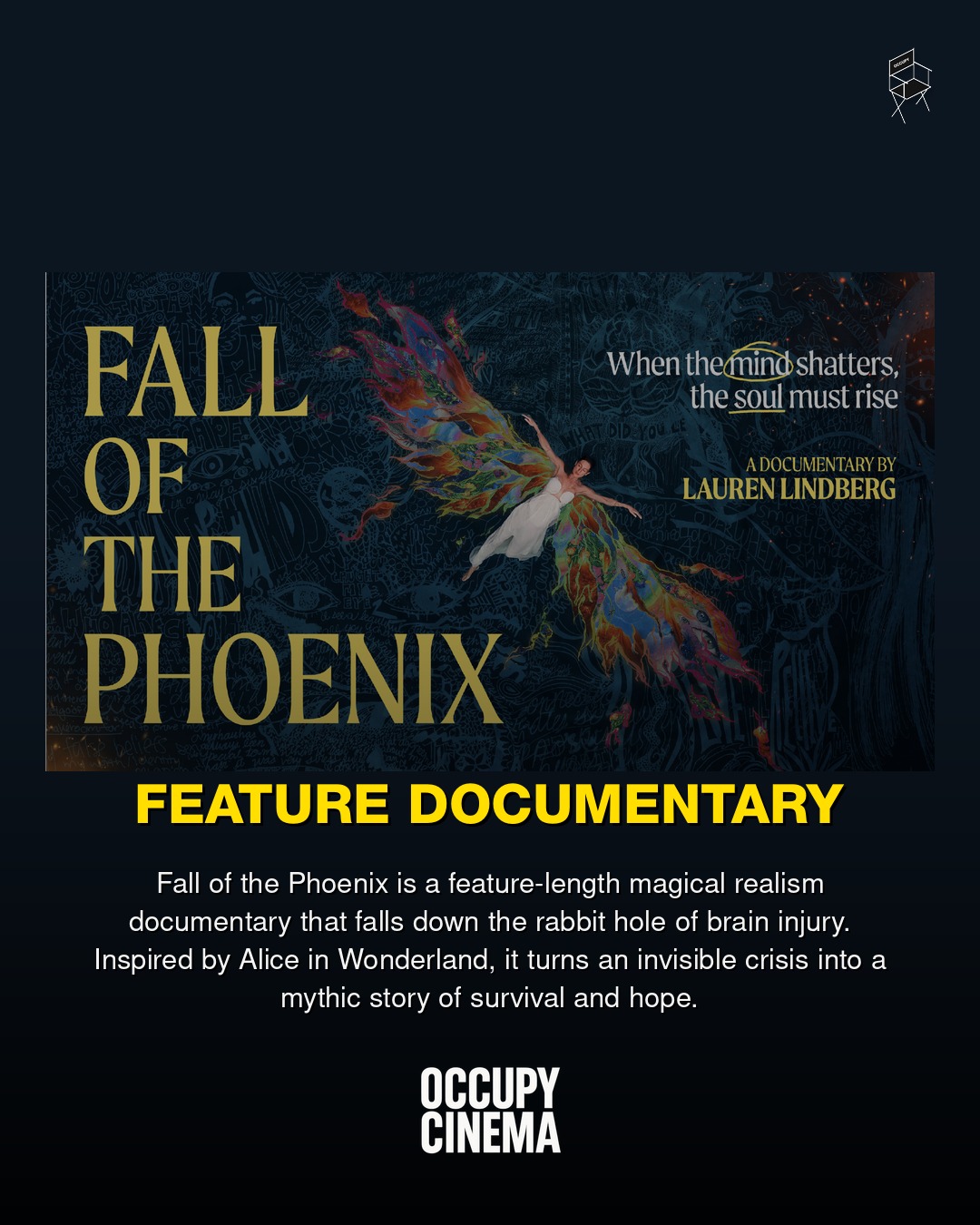
Filmmaker Lauren Lindberg, whose own experiences with undiagnosed concussions necessitated a shift in her creative process, presents 'Fall of the Phoenix,' a feature-length documentary offering a unique perspective on brain injury recovery.
By Occupy Cinema ·
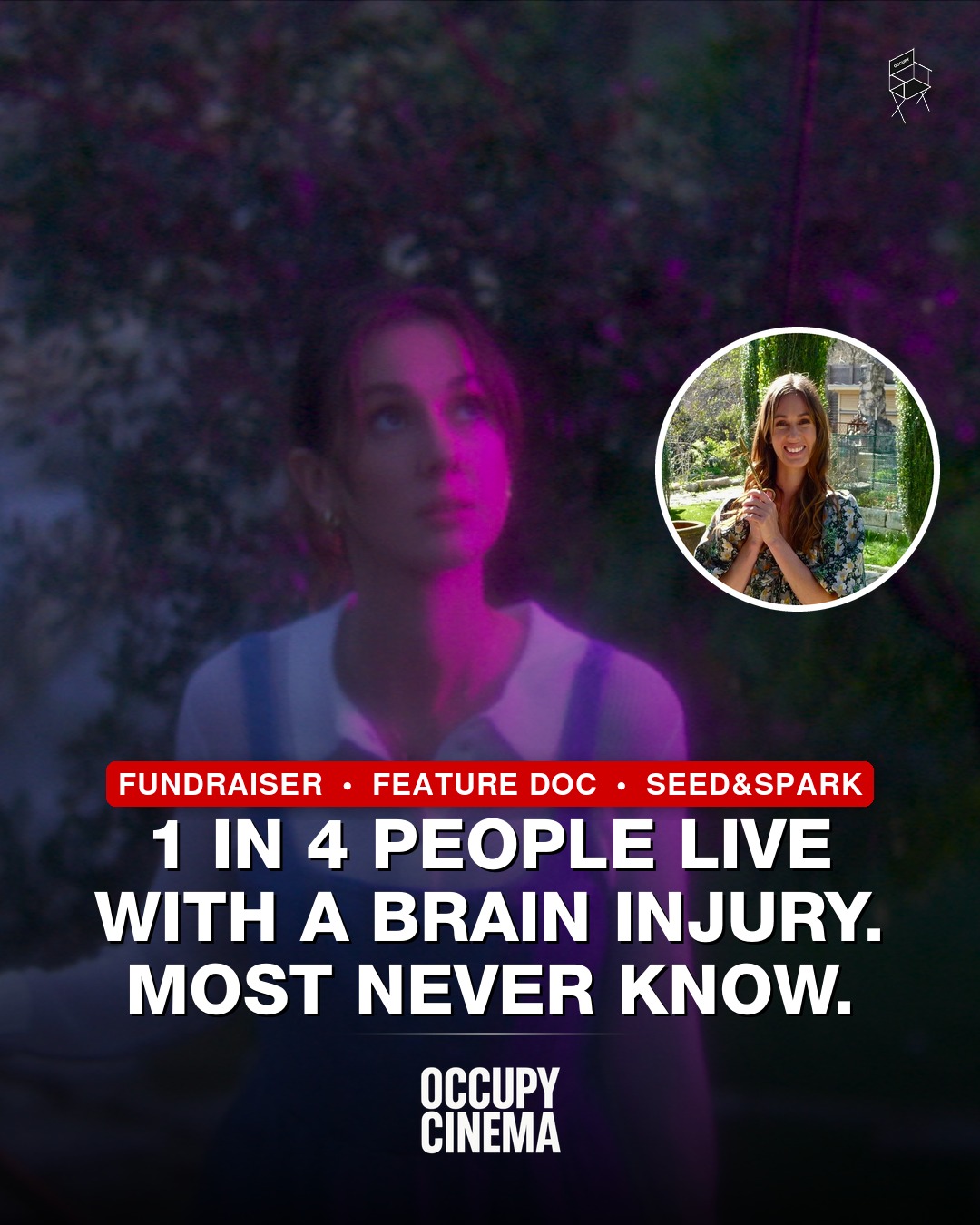
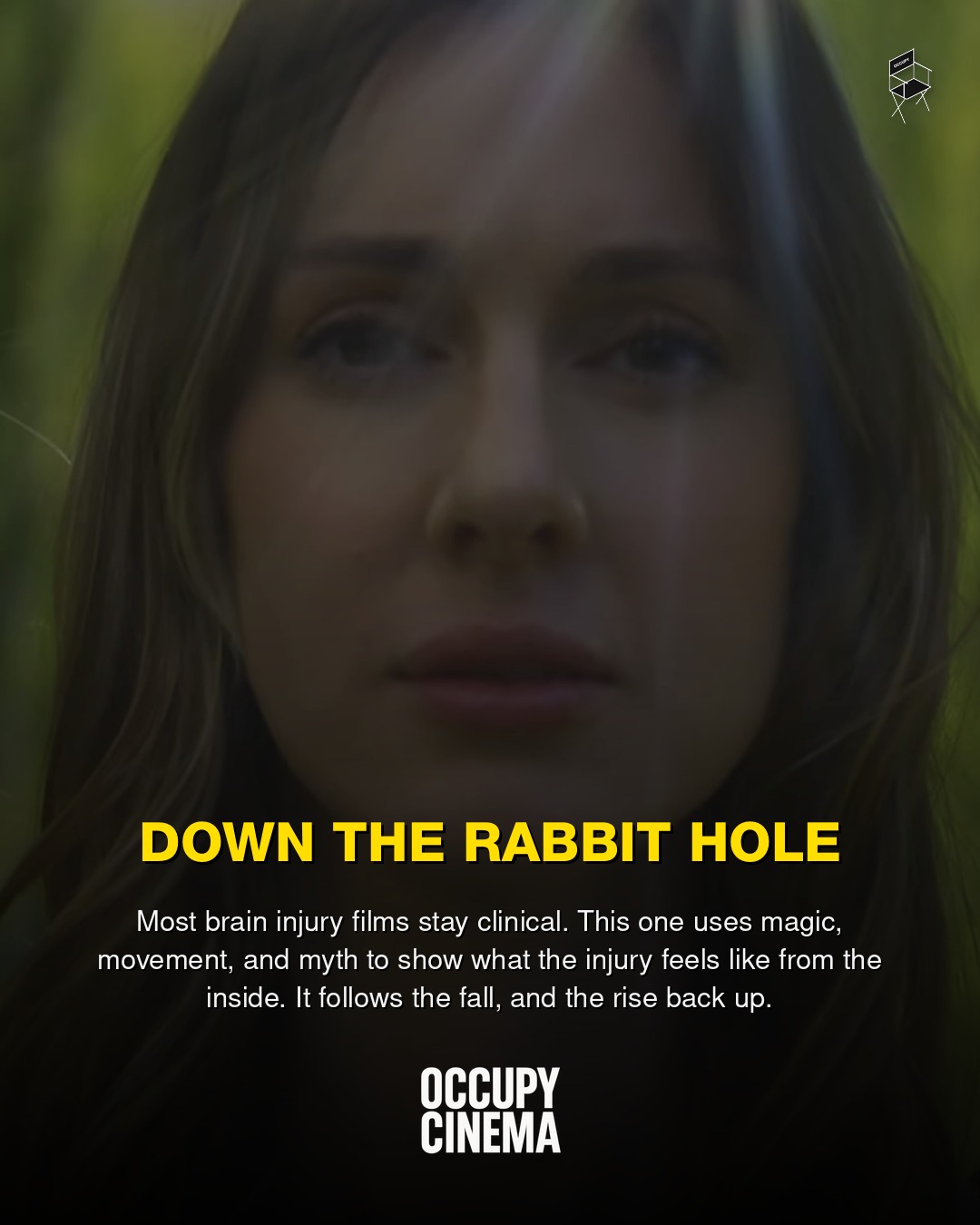
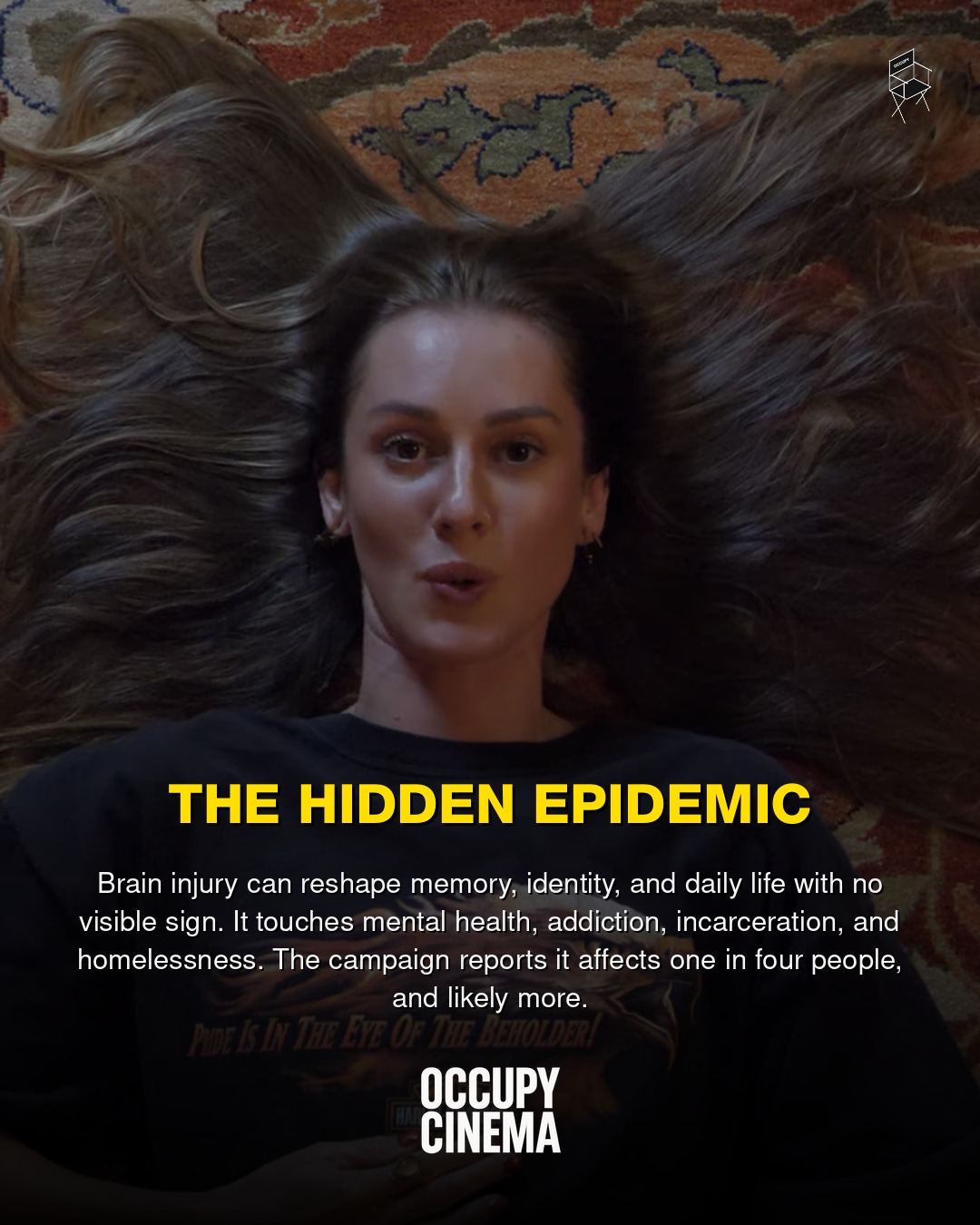
Austin based filmmaker Lauren Lindberg is preparing to release Fall of the Phoenix, a feature-length documentary that delves into the complex realities of brain injury. This project is particularly poignant given Lindberg's personal connection to the subject, as undiagnosed concussions previously impacted her own ability to create films. Rather than adopting a purely clinical or expository approach, Lindberg employs magical realism and mythical allegories, drawing inspiration from works such as Lewis Carroll's Alice in Wonderland, to explore the profound alterations to memory, identity, and daily existence that can follow a brain injury.
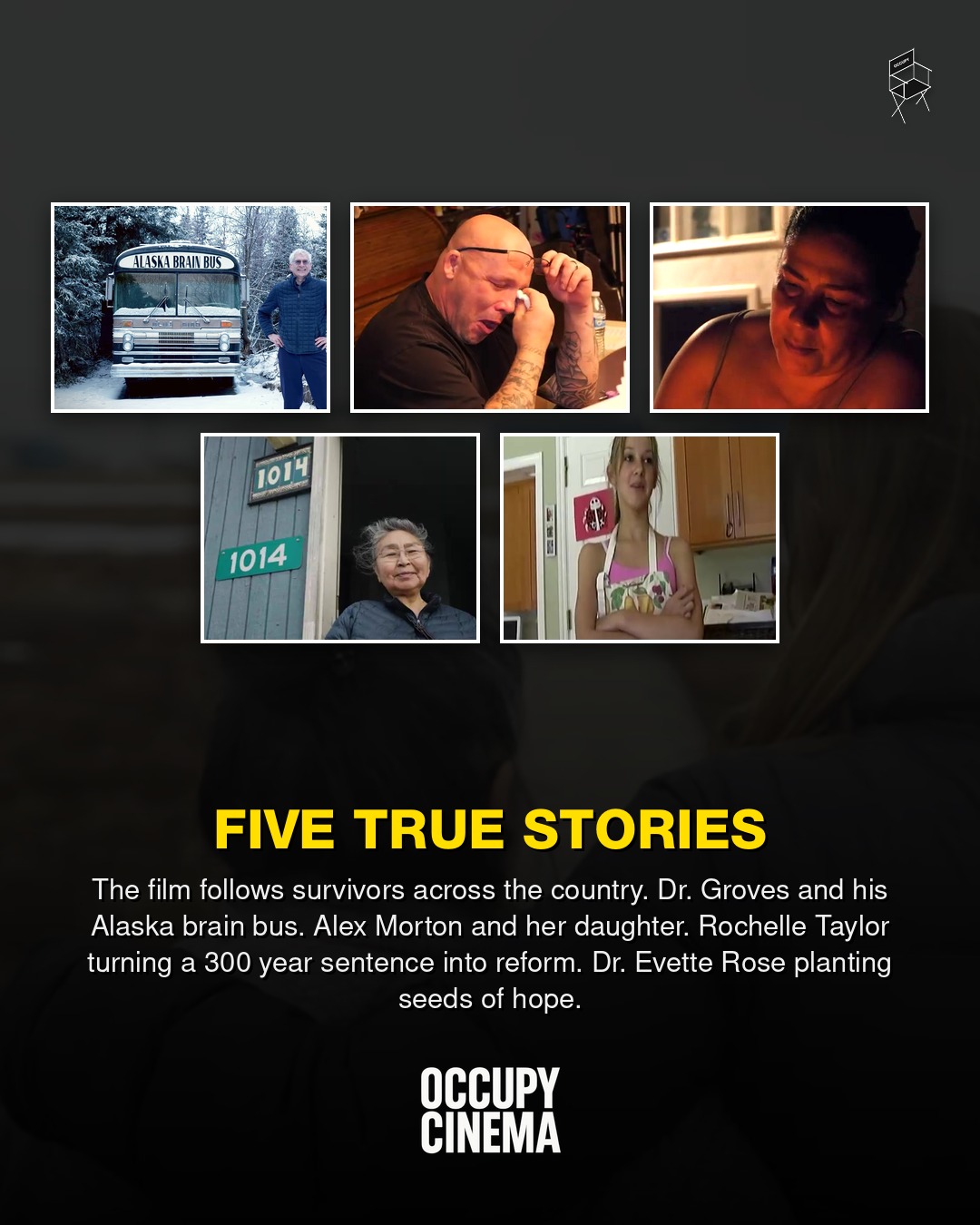
The film follows four distinct narratives, each illustrating a different facet of recovery and adaptation. One subject is a doctor who operates a mobile brain health clinic across Alaska, providing crucial services in remote areas. Another is a mother who has become a tireless advocate for her daughter. The documentary also features a woman who transcended a severe prison sentence to champion reform, and another survivor who is in the process of rebuilding her life. These individual stories collectively form a mosaic, highlighting the diverse challenges and triumphs faced by those navigating the aftermath of head trauma.
A Filmmaker's Personal Lens
Lindberg’s decision to imbue this documentary with elements of magical realism reflects a growing trend in non-fiction filmmaking, where conventional narrative structures are challenged to convey deeper emotional or psychological truths. This approach allows for a more subjective and empathetic portrayal of internal experiences, which are often difficult to articulate through traditional documentary means. The use of mythological frameworks provides a universal language for understanding profound personal change, resonating with audiences on a more elemental level.
This method recalls certain aspects of experimental documentary work seen at festivals such as Sundance's New Frontier program or CPH:DOX, where filmmakers often push the boundaries of form and content to achieve a more immersive and impactful experience. Lindberg's film, by framing the lived experience of brain injury within a fantastical narrative, seeks to make the often invisible struggles of survivors more accessible and understandable to a broader audience.
Supporting Independent Documentary
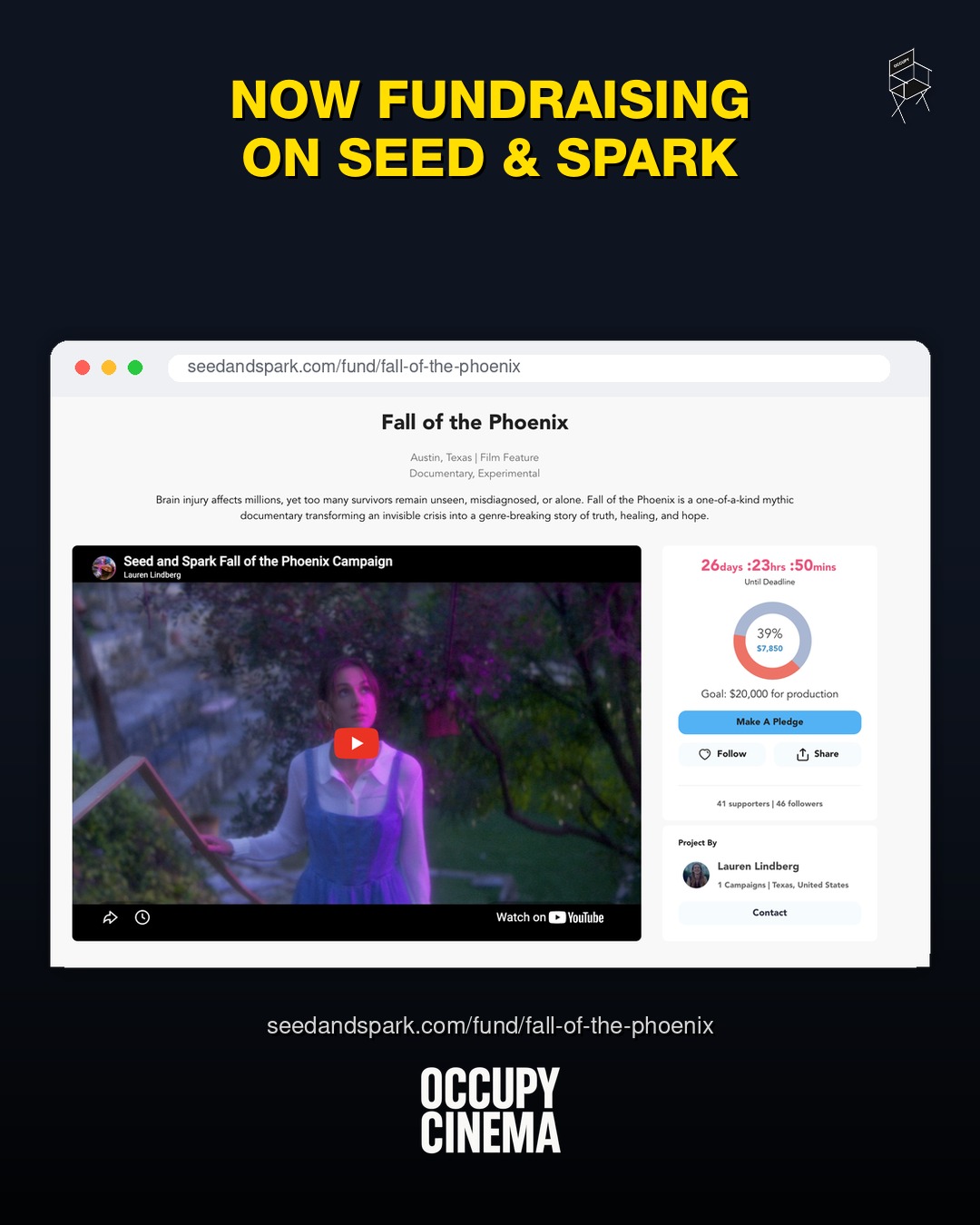
Independent documentary cinema often relies on community support to bring important stories to the screen. Fall of the Phoenix is currently seeking support through a Seed and Spark campaign. As of this report, the campaign has successfully raised $7,850 towards its $20,000 goal, with 26 days remaining in the funding period. Such platforms are vital for projects that may not fit neatly into commercial distribution models, allowing filmmakers to maintain creative control and address niche but critical subjects.
The success of these crowdfunding efforts underscores the public's appetite for diverse storytelling and films that tackle complex social and personal issues with sensitivity and originality. Lindberg's project represents a significant contribution to both brain injury awareness and the landscape of independent filmmaking, promising a work that is both informative and artistically daring. You can learn more about the film and its production via articles in IndieWire or Variety which often cover such independent projects.