Occupy Cinema › People
Lauren Lindberg's 'Fall of the Phoenix' Reimagines Brain Injury Narratives Through Myth and Magical Realism
Filmmaker Lauren Lindberg, herself a survivor of undiagnosed concussions, embarks on a five-year journey to document the lives of brain injury survivors, challenging conventional storytelling with an approach rooted in magical realism.
By Occupy Cinema ·
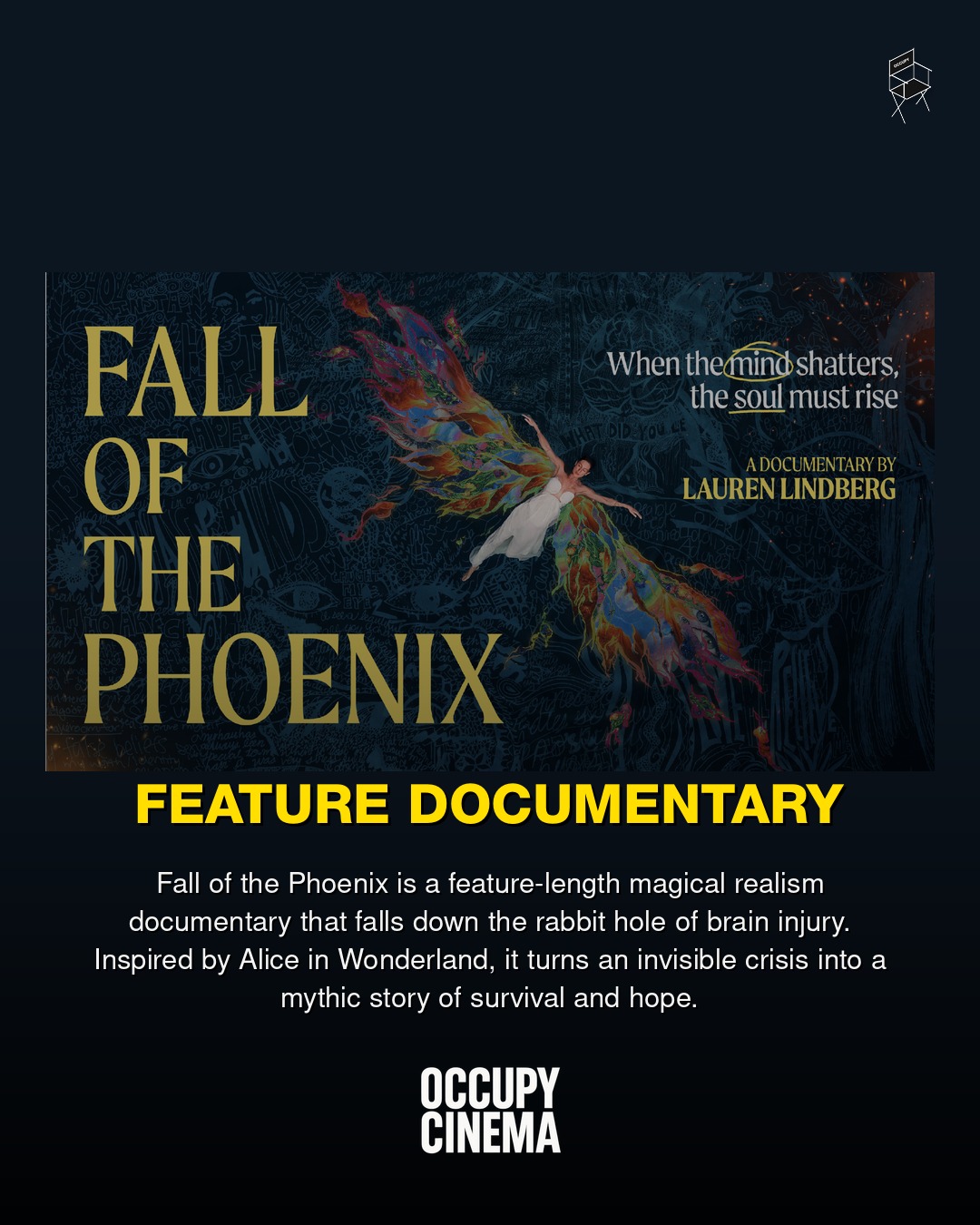
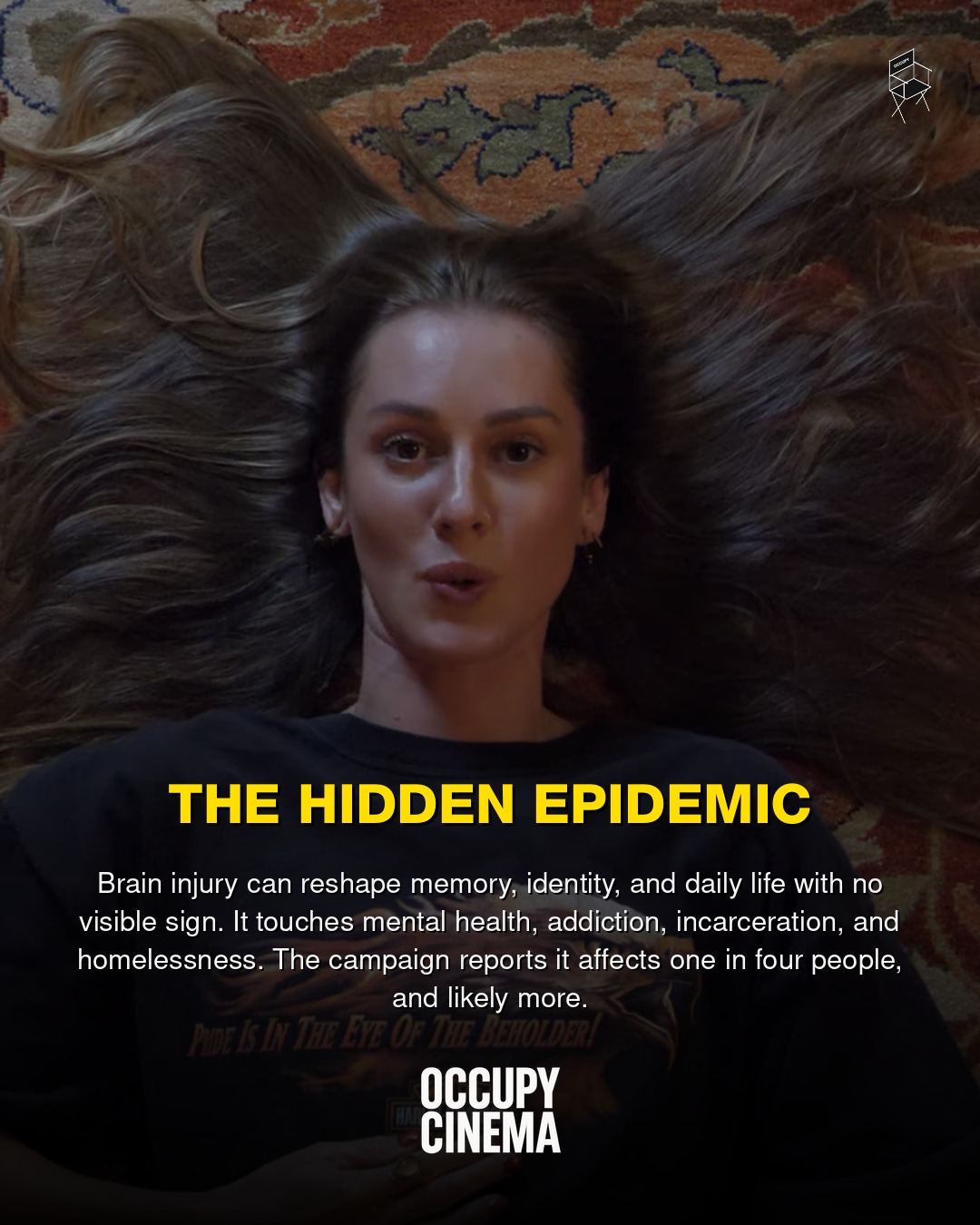
Austin-based filmmaker Lauren Lindberg is challenging the conventional narrative surrounding brain injury with her feature-length documentary, Fall of the Phoenix. This ambitious project, now seeking support through a Seed and Spark campaign, offers a profound and visually imaginative exploration of memory, identity, and the daily realities faced by those living with traumatic brain injury.
Lindberg's personal connection to the subject matter is central to the film's genesis. After experiencing undiagnosed concussions that temporarily sidelined her filmmaking career, she began a five-year odyssey across the United States, driven by a desire to understand and portray the complex aftermath of brain injury. This is not a detached, clinical observation, but a deeply empathetic and artful endeavor.
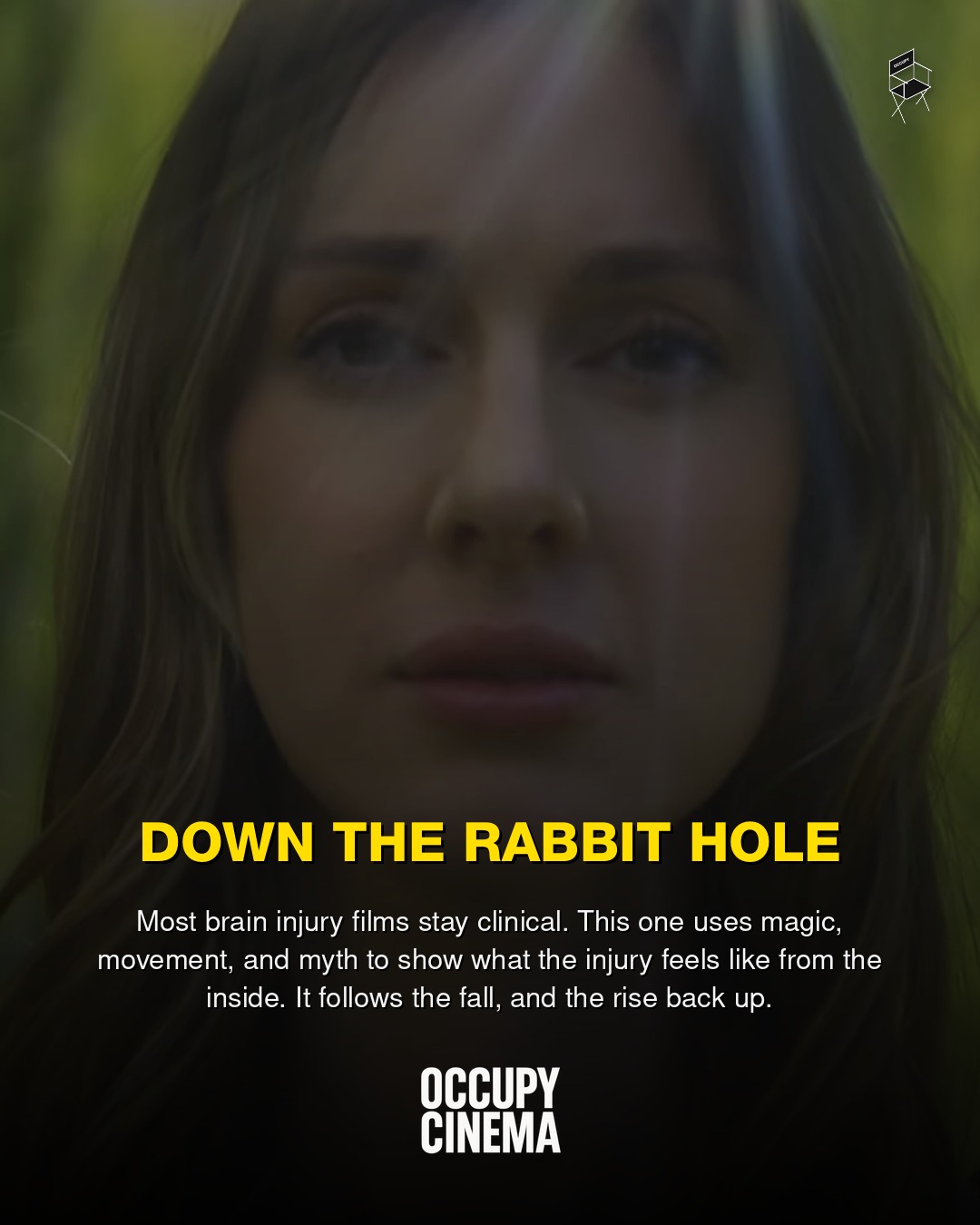
The decision to employ magical realism and myth, drawing inspiration from Lewis Carroll's Alice in Wonderland, distinguishes Fall of the Phoenix from more traditional medical documentaries. This stylistic choice is not merely aesthetic, but a deliberate method to convey the subjective, often disorienting experience of altered cognition. By grounding the personal narratives in a fantastical framework, Lindberg aims to transcend the limitations of purely factual reporting, offering instead an emotional truth that resonates deeply.
The Faces of Resilience
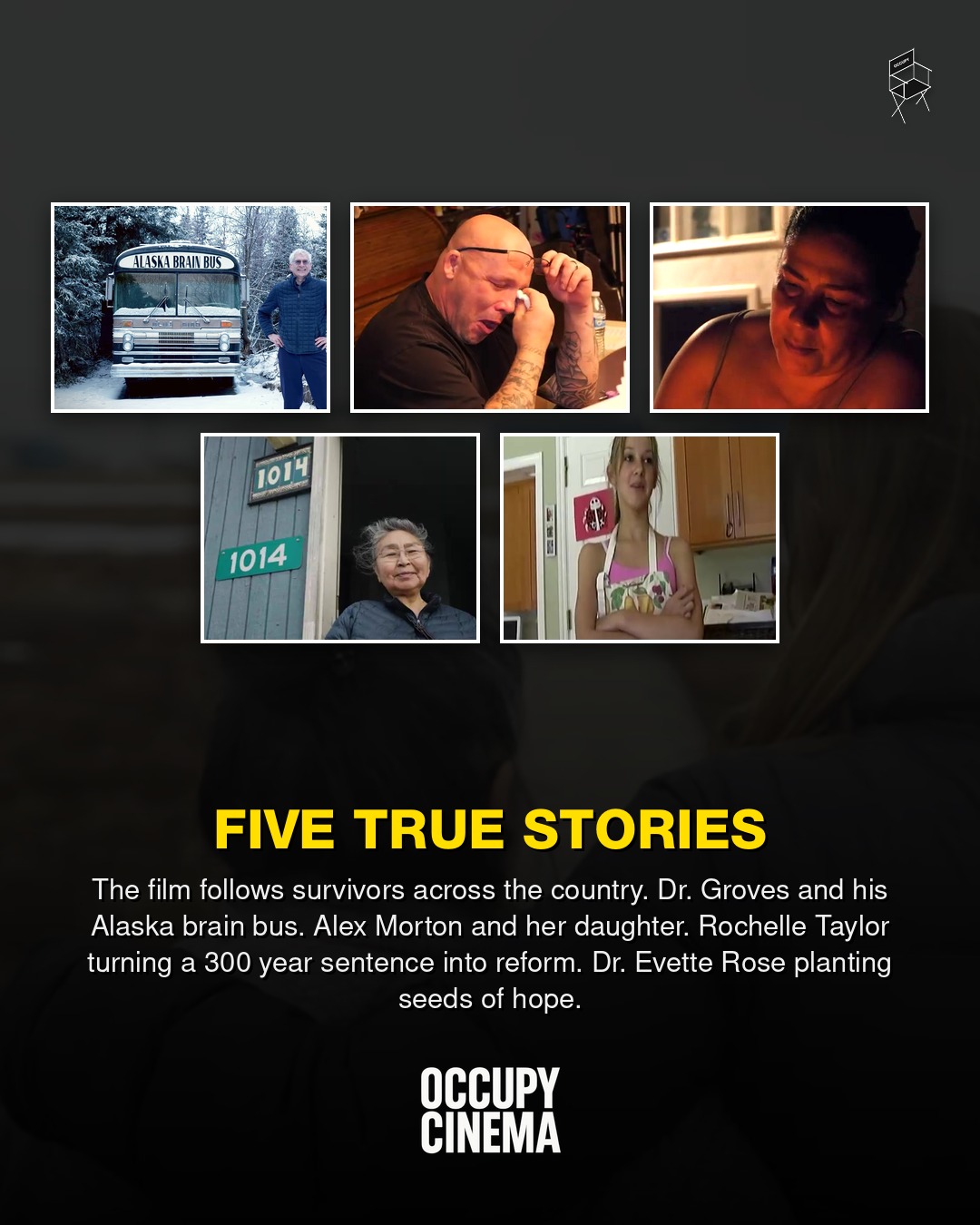
The documentary follows four compelling individuals, each navigating the unique challenges of brain injury with remarkable resilience. Viewers will meet a doctor who now drives a mobile brain clinic across Alaska, providing vital care in remote communities. Another story centers on a mother fiercely advocating for her daughter's well-being, highlighting the ripple effects of injury on family structures. A particularly poignant narrative features a woman who transformed a 300-year prison sentence into a fight for systemic reform, demonstrating the profound capacity for agency even in the face of immense adversity. Finally, the film intimately portrays a survivor meticulously rebuilding her life, piece by piece.
These diverse experiences underscore the broad spectrum of brain injury, emphasizing that each journey is distinct, yet connected by shared themes of loss, adaptation, and the enduring human spirit. Lindberg's lens captures not just the struggle, but the innovative ways individuals find to reclaim their lives and identities. This approach humanizes a condition often reduced to statistics or medical jargon, inviting audiences to confront their own perceptions of disability and recovery. The film's strength lies in its ability to find the extraordinary within ordinary lives, elevated by its unique visual language.
Supporting Independent Vision
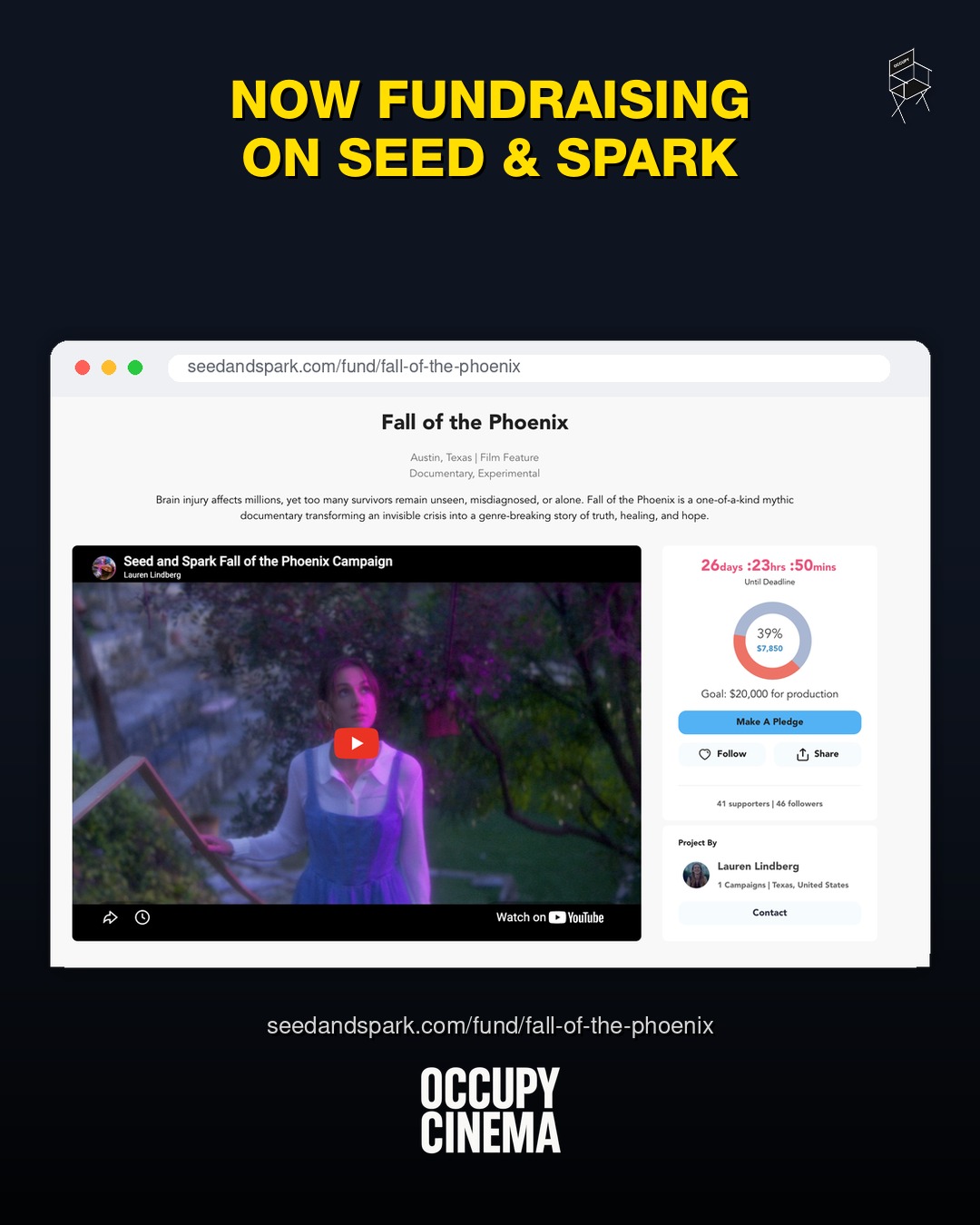
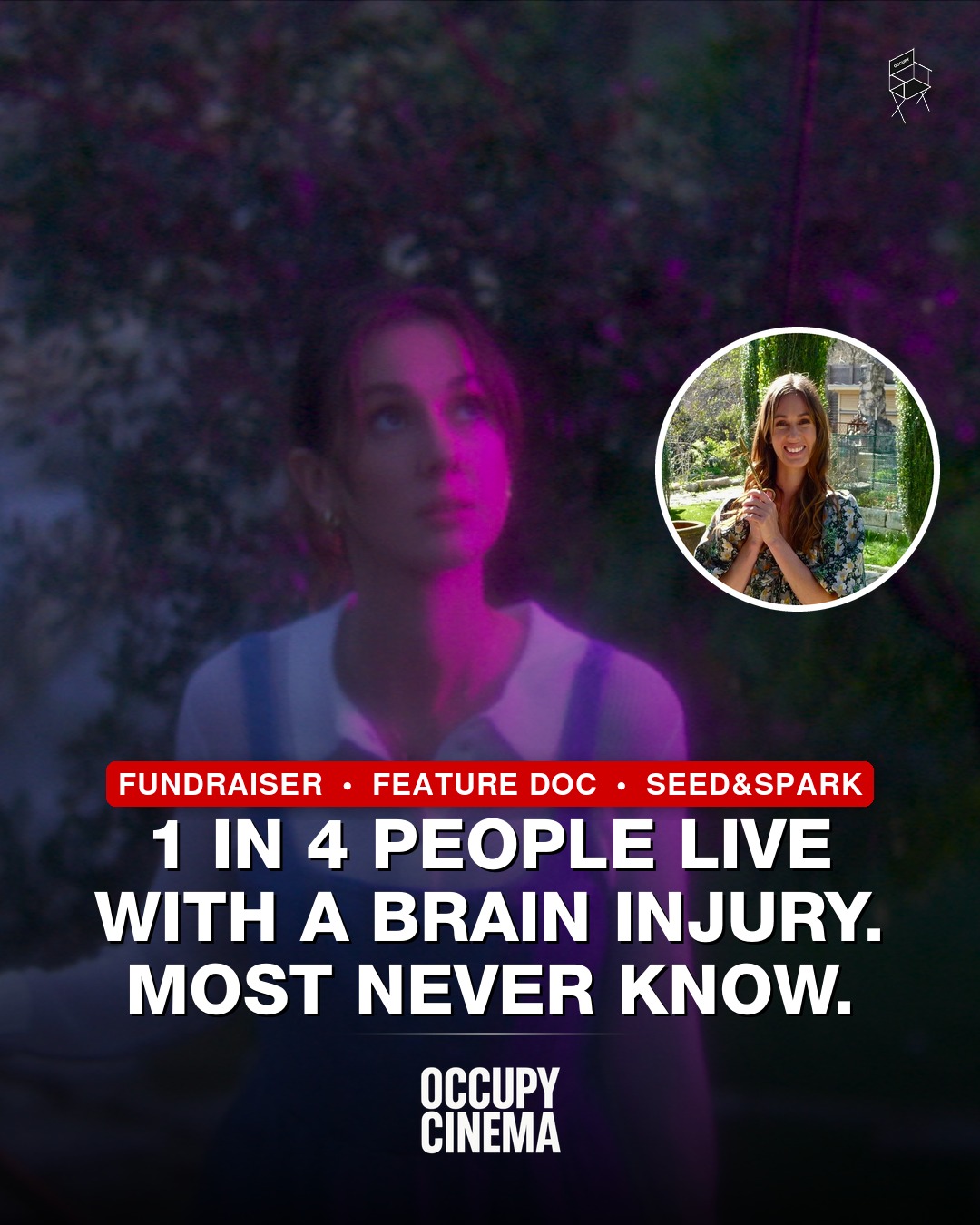
Independent filmmaking relies on community support, and Fall of the Phoenix is currently in the midst of a critical Seed and Spark crowdfunding campaign. With 26 days remaining, the project has raised $7,850 towards its $20,000 goal. This funding is essential for completing post-production, including editing, sound design, and color grading, all crucial elements in realizing Lindberg's ambitious vision. Contributions to the campaign not only help bring this important story to screens but also endorse a filmmaking approach that values artistic expression and empathetic storytelling in documentary work. Supporters are investing in a film that promises to shift perspectives and foster a deeper understanding of brain injury.
The project signals a compelling direction for documentary film, where personal experience and artistic form converge to create impactful narratives. Lindberg's endeavor through Fall of the Phoenix stands as a testament to the power of independent cinema to illuminate overlooked realities and foster empathy through innovative storytelling. It's a reminder that sometimes, the most profound insights come not from stark reality, but from its artful reinterpretation.