Occupy Cinema › Business
Festival Strategy: The Smart Money Move for Filmmakers
Filmmakers must approach film festivals with a clear financial and strategic plan. Blind submissions are a budget drain, and a laurel alone will not guarantee success.
By Occupy Cinema ·
Filmmakers often dream of film festival glory. They picture premieres, red carpets, and the instant validation of a laurel. But the reality is far more complex, and often, far more expensive. A strategic approach to film festivals is not just about artistic merit, it's about smart financial planning and career progression.
Consider the numbers. Submission fees range from 25 to 90 dollars per festival. Fifty blind entries can quickly accumulate to 2,000 dollars or more. That is a significant sum, roughly the budget for a new short film. Many filmmakers pour these funds into scattershot submissions, hoping for a lottery win. This is a losing gamble. The return on investment for such an approach is negligible, and often, negative.
Strategic Submissions Pay Dividends
The key is timing and targeting. Submit your film only when it is truly finished, polished, and has been tested with a real audience. This feedback is invaluable. It helps you understand your film's strengths and weaknesses, allowing you to target festivals where it genuinely fits. Aim for a specific tier of festivals for your premiere. This maximizes impact and gives you a better chance of securing a meaningful laurel. Programmers are looking for films that align with their festival's vision. A scattergun approach wastes their time and your money.
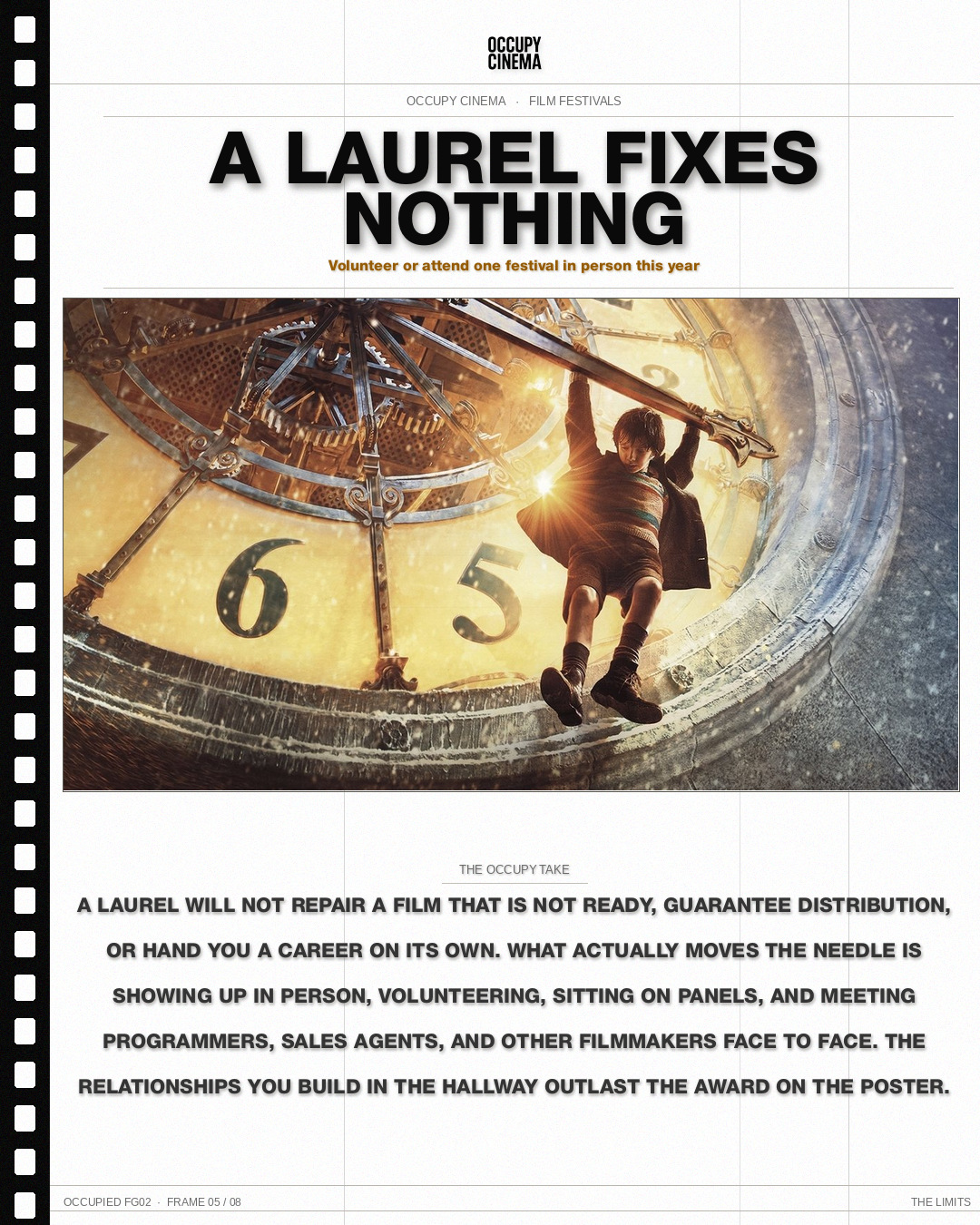
A festival acceptance can open doors, but it is not a golden ticket. A laurel will not transform a film that is not ready, nor will it guarantee a distribution deal. Success at festivals comes from a combination of a strong film, networking, and strategic follow-up. Show up, volunteer, and meet programmers in person. These connections are often more valuable than any award.
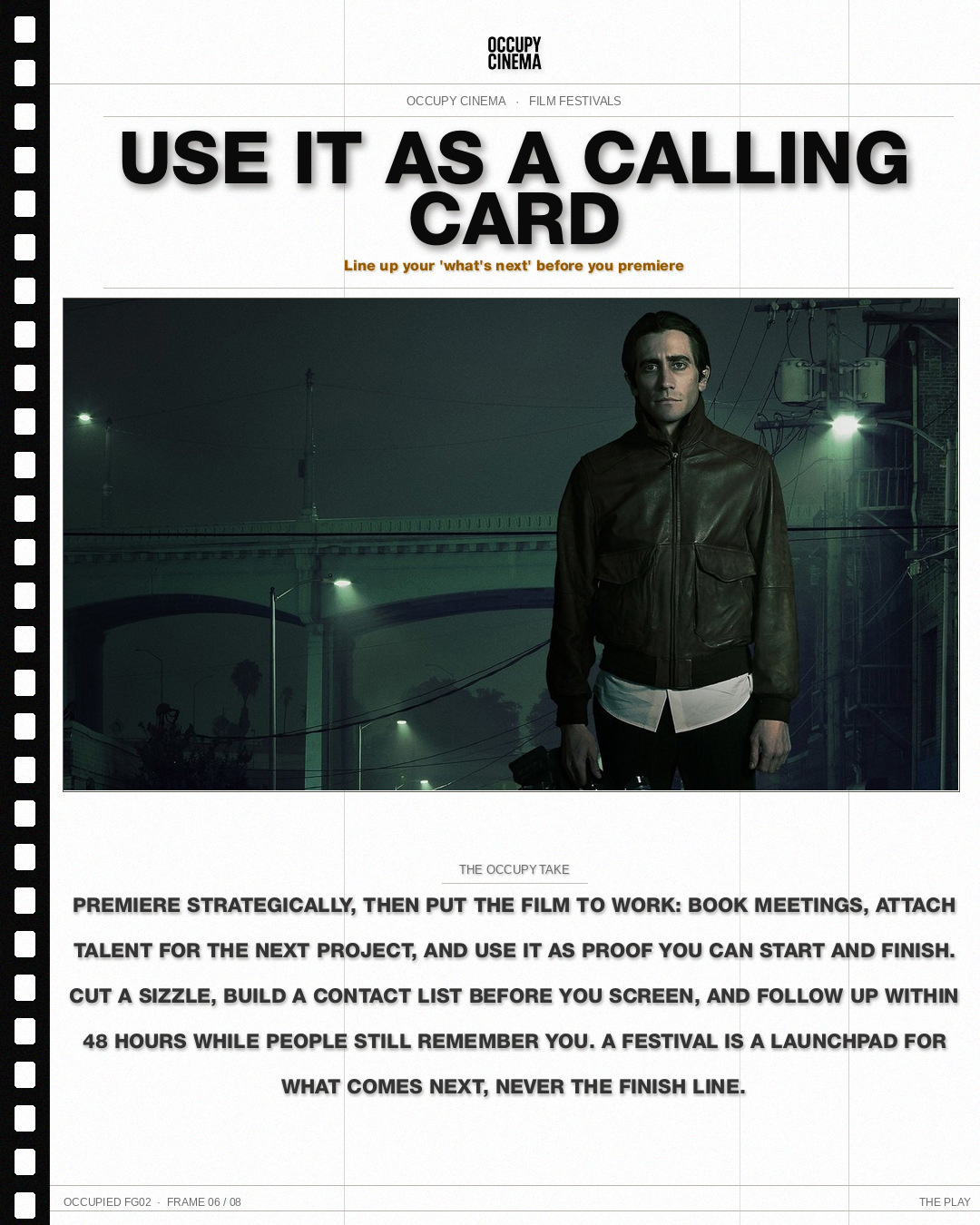
Filmmakers should select eight to twelve festivals that genuinely align with their film's genre, style, and target audience. Premiere strategically. Use the festival circuit as a calling card. It is an opportunity to network, secure meetings, and build momentum for your next project. Think of it as a business development phase. For more on navigating the festival landscape, The Hollywood Reporter offers insights on getting into top-tier events.
Beyond the Laurel: Real World Impact
The festival circuit is a crucial step, but it is not the finish line. It is a platform to build your reputation and secure future funding. Many acclaimed filmmakers, like Chloé Zhao, leveraged early festival success into major studio projects. Her film The Rider gained significant traction at Cannes before her Oscar-winning run with Nomadland. Similarly, Barry Jenkins' Medicine for Melancholy built buzz at festivals before his breakout film Moonlight.
Even for short films, the strategy remains the same. A well-placed short can lead to feature film funding. For example, Damien Chazelle's short film Whiplash, which premiered at Sundance, directly led to the feature version. This is the goal: using the festival platform as a springboard. The investment in a quality camera like a Blackmagic Pocket Cinema Camera 6K Pro or a good set of Sigma Cine Lenses will yield more tangible results than dozens of unplanned festival submissions.
Ultimately, treat your festival strategy like a business plan. Every dollar spent on submissions should have a clear purpose and a potential return. Do not just submit, strategize.