Occupy Cinema › People
Film Festival Strategy: Maximize ROI on Your Submission Budget
Filmmakers must approach film festivals with a clear financial and career strategy. Blind submissions are a costly gamble, and a targeted approach is crucial for real returns.
By Occupy Cinema ·
Filmmakers, let's talk numbers. Film festival submissions are not a lottery ticket. They are an investment, and like any investment, they demand a strategy for a return. Blindly submitting to dozens of festivals is a quick way to burn through cash, with little to show for it.
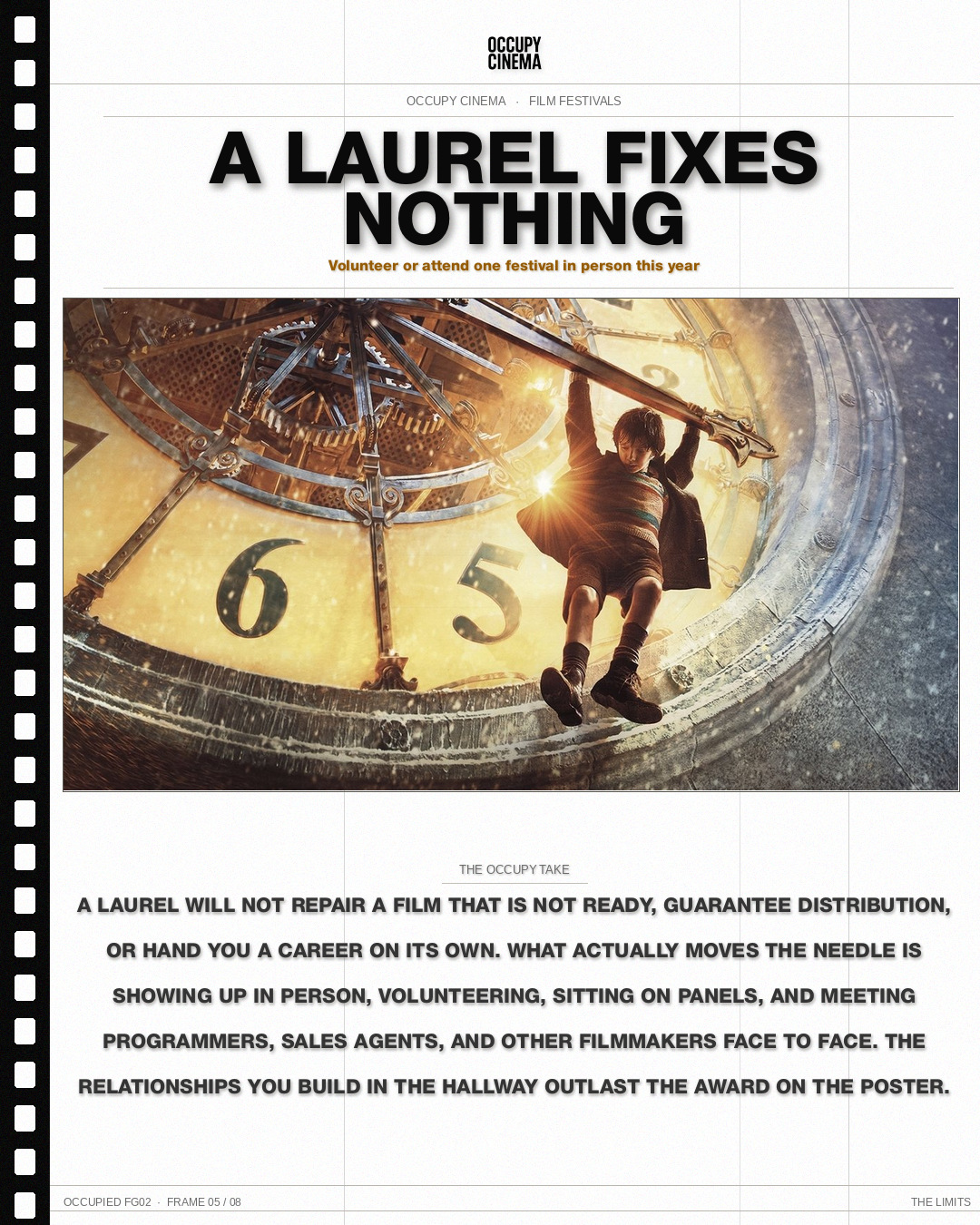
Consider the math. Submission fees range from 25 to 90 dollars. Fifty blind entries can easily hit 2,000 dollars. That is roughly the budget for your next short film. This capital can be better deployed. Your goal is not just to get into a festival, it is to leverage that festival for career advancement and future projects. A laurel on its own does not guarantee anything, especially not distribution.
Timing Your Festival Play
The biggest mistake is submitting a film that is not ready. Before you even think about FilmFreeway, your film needs to be finished, polished, and tested. Get it in front of a real audience. Collect feedback. Refine. Only then is it ready for prime time. Submitting an unready film is like launching a product before beta testing. It will fail.
Your submission strategy needs to be surgical. Target specific festivals that genuinely align with your film's genre, themes, and target audience. Research their programming history. Understand their selection process. Aim for a strategic premiere at a tier that offers maximum visibility and industry presence. This is about impact, not just acceptance.
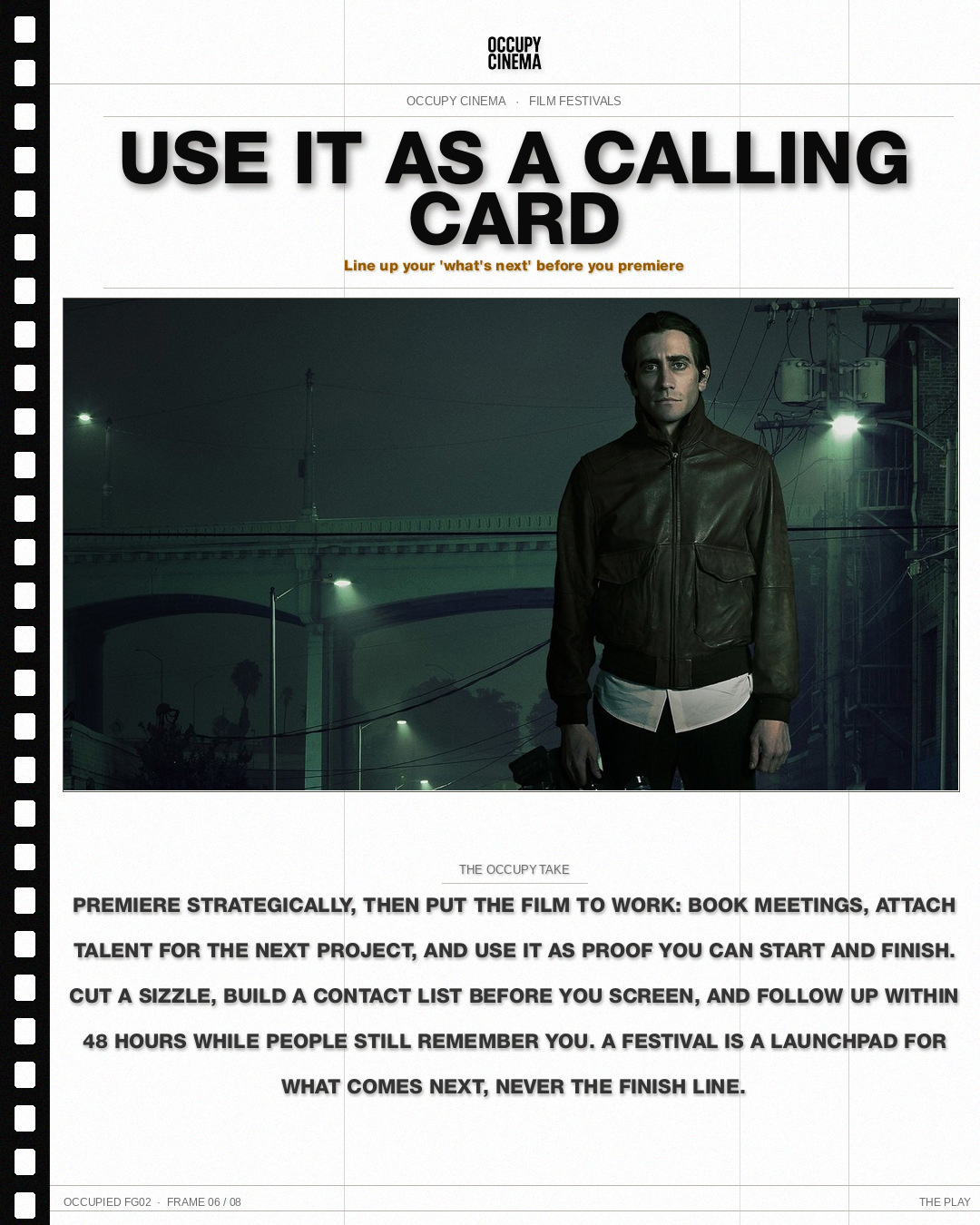
A premiere at the right festival can be a game-changer. It provides validation, industry exposure, and networking opportunities. It is a launchpad. It is not the finish line. The goal is to use that momentum to secure meetings, build relationships, and get your next project off the ground.
Beyond the Submission Fee
Getting into a festival is only half the battle. You need to show up. Volunteer. Meet programmers. Network with other filmmakers and industry professionals. These connections are invaluable. They are often more impactful than any laurel. Filmmaking is a relationship business, and festivals are prime territory for building those relationships.
Do not rely on a festival laurel to fix an unready film. It will not. Do not expect it to guarantee distribution. It rarely does. Major studios like Warner Bros. and Universal Pictures, and streamers like Netflix and Amazon, scout festivals, but they are looking for fully formed projects and talent. Your film needs to stand on its own merits.
Focus on a curated list of eight to twelve festivals. Premiere strategically. Use the festival circuit as a calling card for your next move. This approach maximizes your investment and provides a clearer path to career growth. For more insights on navigating the independent film landscape, consider resources like The Hollywood Reporter's coverage on festival trends or IndieWire's festival reporting. Understanding the ecosystem is critical.
For those looking at camera gear to prepare their next project, check out resources on Blackmagic Pocket Cinema Camera 6K or Sony FX3. Every dollar counts, and strategic spending applies to gear as much as it does to festival entries.