Occupy Cinema › Film News
The Shifting Sands of Cinema: How Incentives Redraw the Production Map
A quiet revolution has reshaped the landscape of film production, driven by economic incentives that lure filmmakers to unexpected corners of the globe, transforming local economies and careers.
By Occupy Cinema ·
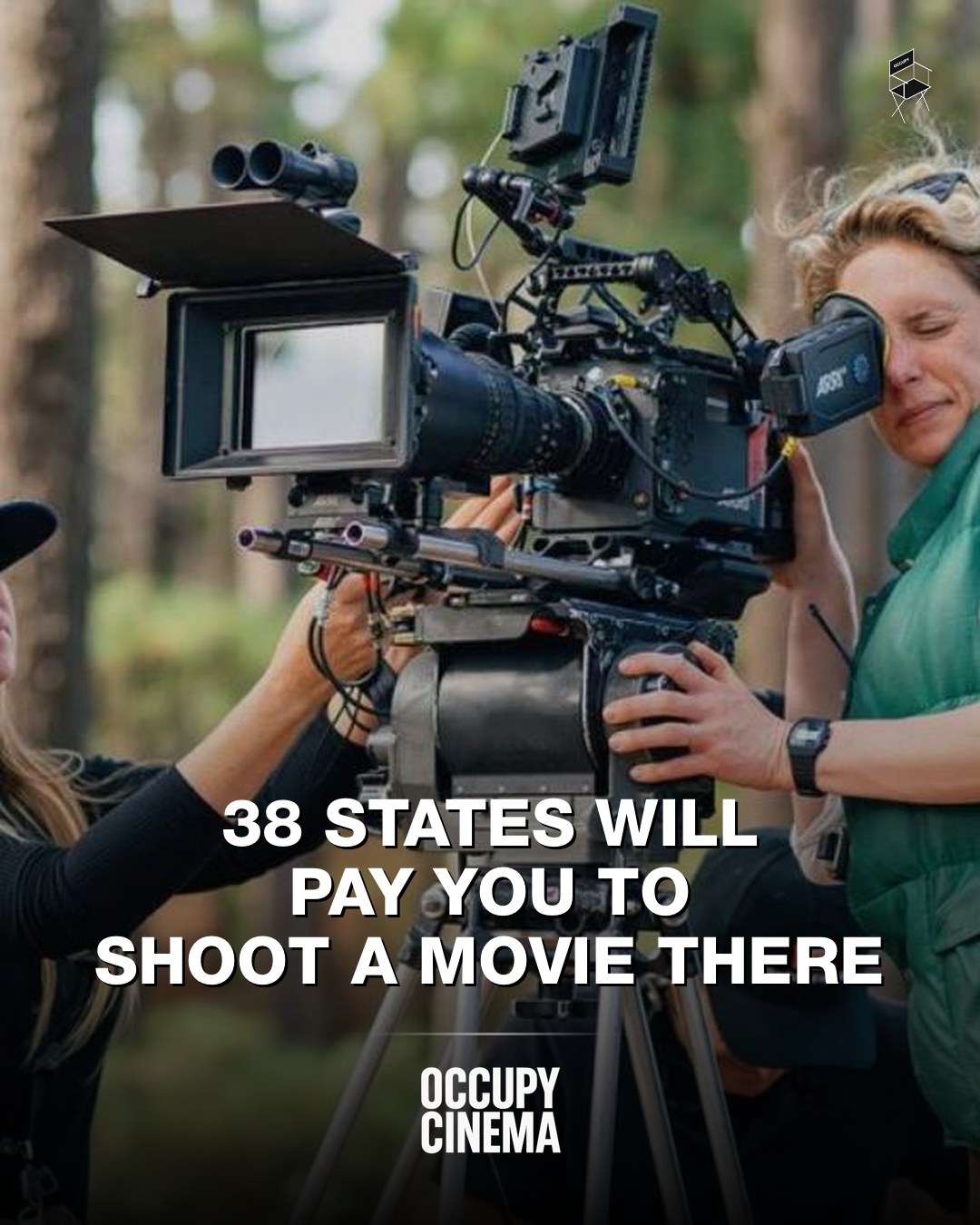
The morning light catches the dust motes dancing in the air, a silent ballet in the cavernous space of a soundstage. This is where dreams are built and stories brought to life, but the address on the call sheet, once almost exclusively Los Angeles or New York, now points to places far beyond the traditional hubs. A profound, yet often unseen, force has been at work, silently rearranging the geography of filmmaking: the film incentive.
It began subtly, a quiet murmur in legislative halls, and has grown into a roar that dictates where cameras roll and where crews gather. The logic is elegantly simple: states offer a percentage of a film's budget back to the production company, often contingent on hiring local talent and utilizing local services. It is an economic handshake that benefits both parties, invigorating regional economies with a surge of jobs and revenue, and providing filmmakers with a compelling financial reason to choose one location over another.
Consider Georgia, for instance, a state that once played a supporting role in the grand narrative of American cinema, now stands as a titan. Its generous tax credit program, offering a significant rebate, transformed it into a bustling production hub, a magnet for blockbusters and independent features alike. Atlanta's skyline now glitters with the promise of cinematic endeavors, its streets often teeming with the controlled chaos of a film set. But Georgia is not alone in this endeavor. A dozen other states, from the humid bayous of Louisiana to the arid expanses of New Mexico, are actively courting filmmakers, each with their own suite of incentives vying for attention.
The Practicalities of the Shifting Landscape
For aspiring filmmakers and seasoned crew members alike, understanding this evolving map is not merely academic, it is essential for career longevity and growth. The practical read is clear: investigate your state's incentive programs. Dig into the specifics of what they offer, how they are structured, and the types of productions they attract. Platforms like The Hollywood Reporter and Variety frequently report on the ebb and flow of these legislative decisions, providing invaluable insight.
Once you have identified states with robust incentives, the next step is to pinpoint the productions currently benefiting from them. This information, often publicly available or discoverable through industry networks, becomes your roadmap. The goal is to strategically position yourself in front of the department heads who are doing the hiring in these burgeoning areas. Networking events, local film commissions, and even targeted outreach can open doors that might otherwise remain closed in more saturated markets. It is about understanding the currents of the industry and learning to sail with them, rather than against them.
Beyond the Numbers: The Cultural Impact
While the economic impetus is undeniably strong, the cultural impact of these incentives is also profound. They foster local talent development, create a vibrant ecosystem of ancillary businesses, and inject a distinct regional flavor into the cinematic tapestry. Think of the unique aesthetic that Apichatpong Weerasethakul brings to his Thai landscapes, or the specific light Lucrecia Martel captures in her Argentine films. While these masters work outside the direct sphere of US state incentives, their example illustrates how local environments can profoundly shape cinematic language. Similarly, as more films are made in diverse American locales, we see new textures, accents, and perspectives emerging on screen, enriching our collective cinematic experience.
The film industry is a living, breathing entity, constantly adapting and evolving. These incentives are not just line items in a budget, they are the invisible hand shaping its future, determining where the next great story will be filmed, and where the next generation of filmmakers will find their start. It is a world of opportunity, for those willing to look beyond the obvious horizons.