Occupy Cinema › Film News
The Silent Cartography of Cinema: How Incentives Reshape Production Landscapes
Financial incentives have quietly redrawn the lines of where films are made, transforming sleepy towns into bustling cinematic cities and offering new pathways for aspiring filmmakers.
By Occupy Cinema ·

A landscape once defined by the glow of Hollywood lights now flickers with a thousand smaller suns, scattered across the American map. This quiet revolution, this shifting of cinematic tectonic plates, is not driven by artistic movements or the whims of a visionary director but by the subtle, yet powerful, hand of economic policy. It is the story of film incentives, a force that has profoundly reshaped where stories are told and where careers are built.
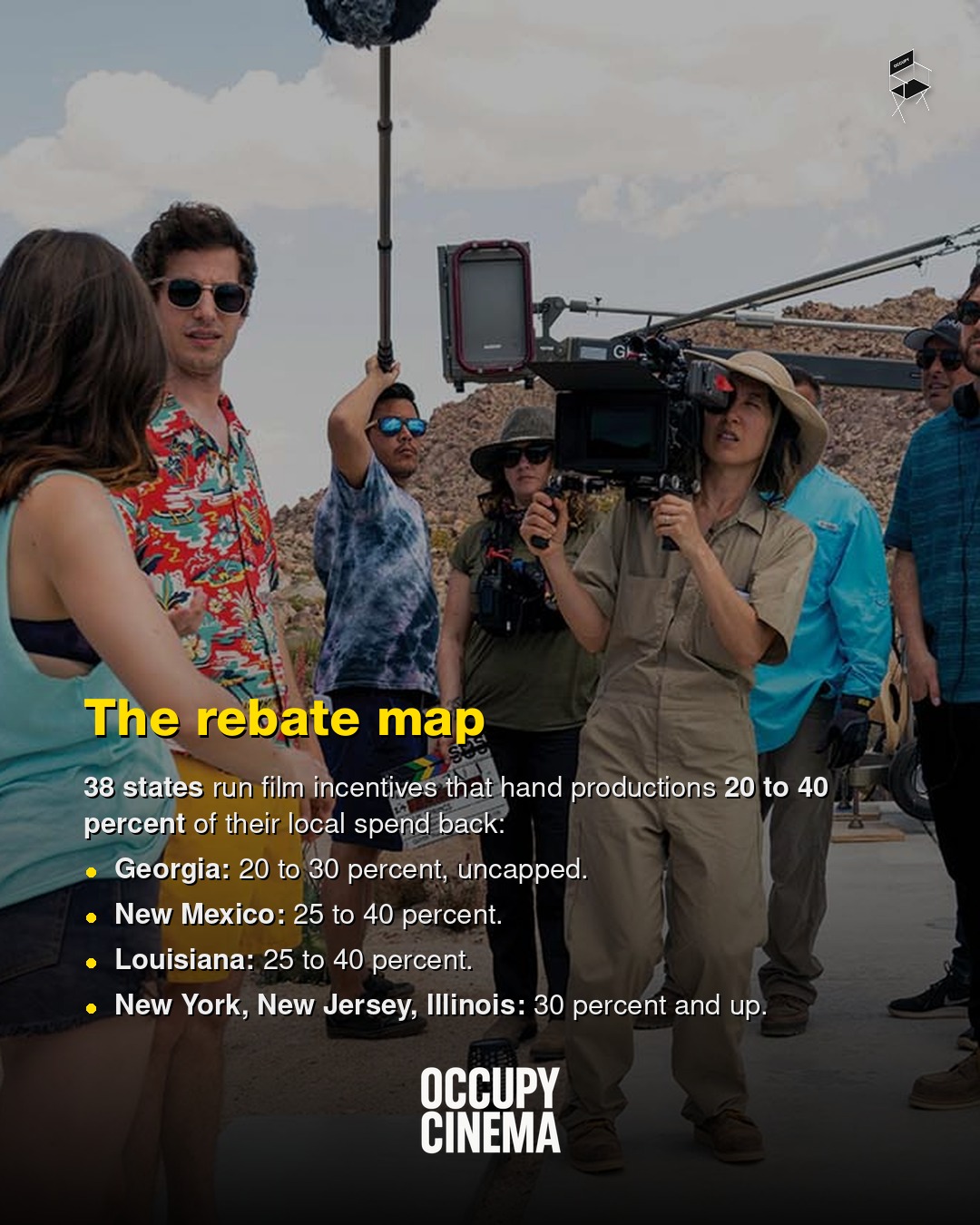
For decades, the idea of American cinema was inextricably linked to California, a sun-drenched dream factory. But as production costs soared and states began to compete for the economic boon that film and television bring, a new cartography emerged. Georgia, for instance, blossomed into a major production hub, not by chance, but by offering significant tax rebates and incentives. These programs effectively return a substantial portion of a production's budget for hiring local talent and utilizing local resources, creating a powerful magnet for film companies.
The Economic Engine Behind the Art
The allure is simple economics. Imagine a film with a budget of, say, 10 million dollars. If a state offers a 30 percent refundable tax credit, that production effectively receives 3 million dollars back by meeting certain criteria, often tied to local hiring and spending. This significantly reduces the financial risk and makes otherwise prohibitive projects feasible. It is a compelling argument for producers, who are constantly seeking ways to maximize their resources and bring their visions to the screen.
This economic engine breathes life into local economies, creating jobs not just for actors and directors, but for electricians, caterers, set builders, costume designers, and countless other roles that support a robust film industry. It fosters a skilled workforce and builds infrastructure, from sound stages to post-production facilities, that can sustain a long-term cinematic ecosystem. States like Louisiana, New Mexico, and New York have also successfully leveraged these programs to cultivate thriving production communities.
Navigating the New Terrain for Aspiring Filmmakers
For those aspiring to enter the film industry, understanding this new landscape is paramount. The traditional path of moving to Los Angeles remains viable, but it is no longer the only, or even necessarily the most direct, route. The practical read for any burgeoning filmmaker or crew member is to research the incentive programs active in their region or in states they are willing to relocate to. Many states offer online resources detailing their specific programs and the productions that have utilized them.
Once you identify states with attractive incentives, the next step is to pinpoint the productions currently taking advantage of these benefits. Industry publications like Deadline and Variety often report on projects in pre-production in various states. Networking within these active production hubs, attending local film festivals, and connecting with local unions and guilds can open doors. It is about placing oneself where the work is, where the cameras are rolling, and where the crews are being assembled. The film world, in its constant evolution, now demands not only talent and passion but also a keen awareness of its economic currents.