Occupy Cinema › Awards
A Seismic Shift: Revisiting the Historic Best Picture Win of Bong Joon-ho's 'Parasite'
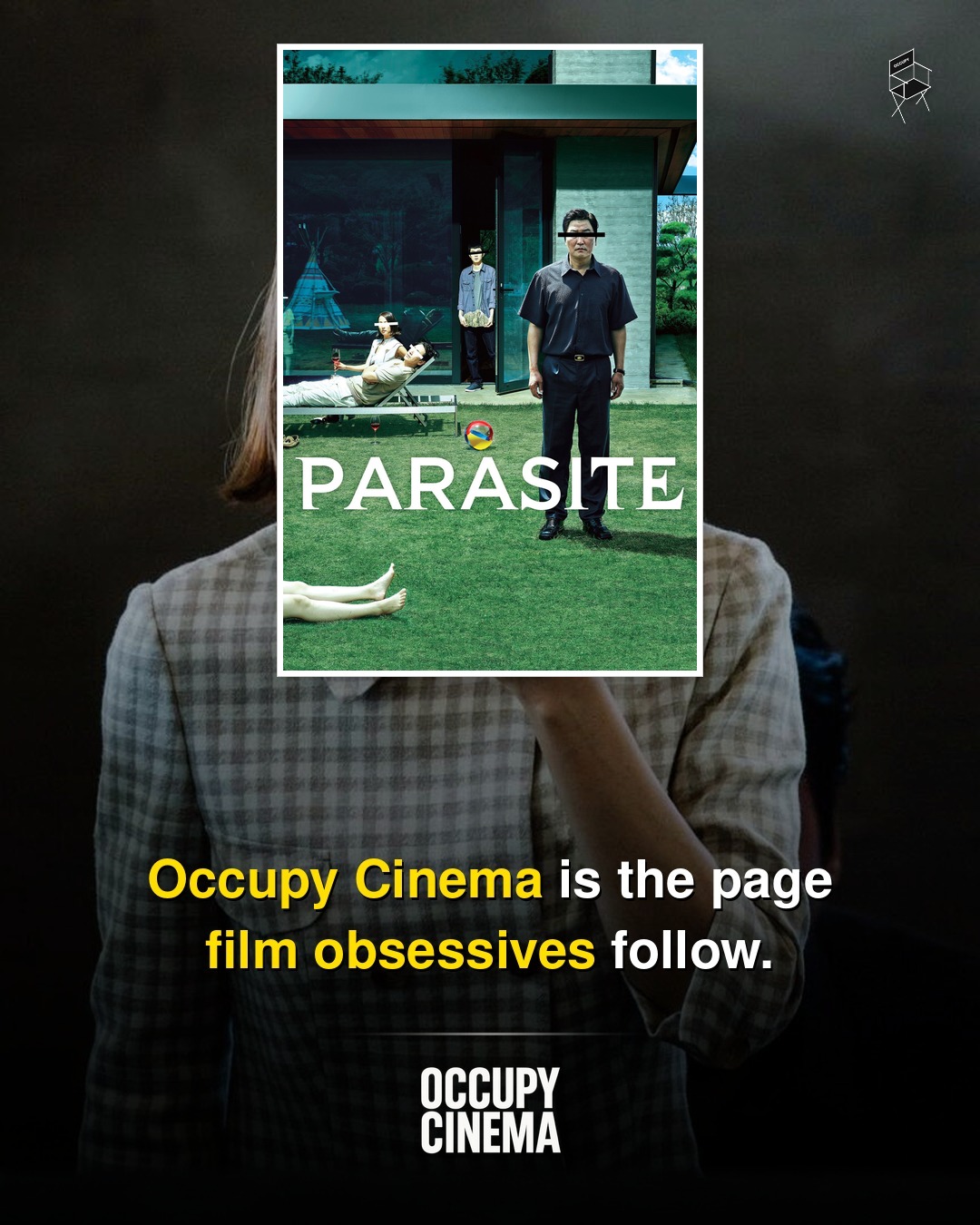
It has been four years since Bong Joon-ho's 'Parasite' etched its name in cinematic history, shattering a nearly century-old Oscar tradition and opening new pathways for global storytelling.
By Occupy Cinema ·

Four years ago, the Academy Awards stage witnessed a truly seismic event. For 91 years, the Best Picture Oscar had exclusively adorned films predominantly featuring English dialogue, a tradition that felt as ingrained as the red carpet itself. But then, on that unforgettable night, Bong Joon-ho's 'Parasite' didn't just break the mold, it obliterated it, becoming the first non-English language film to claim the industry's top prize.
This wasn't just a win, it was a revolution. 'Parasite' didn't merely sneak in with a token foreign language film award, it swept the major categories, taking home four Oscars that evening including Best Director, Best International Feature Film, Best Original Screenplay, and the coveted Best Picture. It was a clear, resounding declaration that cinematic excellence knows no linguistic boundaries, and that storytelling from any corner of the globe can resonate universally.
A Look Back at a Landmark Moment
Before 'Parasite', the narrative around non-English films at the Oscars was often relegated to the 'International Feature Film' category, formerly known as 'Best Foreign Language Film'. While incredibly important for recognizing global cinema, it inadvertently reinforced a separation, implying a hierarchy where these films competed on a different playing field from the main contenders. 'Parasite' blew that assumption apart, proving that a film's artistic merit, its narrative power, and its ability to connect with audiences transcended language barriers and traditional categorization.
The film, a masterful blend of dark comedy, thriller, and social commentary, captivated critics and audiences worldwide. Its intricate plot, brilliant performances, and sharp critique of class dynamics hit a nerve, proving that a story deeply rooted in Korean culture could speak to universal truths about wealth disparity and human nature. The film, shot on an ARRI Alexa 65 camera, showcased stunning cinematography and meticulous direction, further cementing its artistic credentials.
The Enduring Impact and What's Next
The impact of 'Parasite's win continues to ripple through the industry. It emboldened distributors to take more risks on international titles and encouraged the Academy to truly consider films from a broader global spectrum for its top awards. While no non-English film has won Best Picture since, the conversation has fundamentally shifted. We now see more international films earning nominations in major categories, a testament to the path 'Parasite' forged.
The question now isn't if another non-English film will win Best Picture, but when, and which one will it be? Could it be a powerful drama from Europe, an animated masterpiece from Japan, or perhaps another groundbreaking work from South Korea? The possibilities are thrillingly endless, and the door opened by Bong Joon-ho and his incredible team remains wide open. For more insights into the enduring legacy of 'Parasite' and its cultural impact, check out this piece from The Hollywood Reporter and this analytical deep dive from IndieWire. The cinematic world is richer, more diverse, and infinitely more exciting because of this one monumental achievement.