Occupy Cinema › Film News
Georgia's Ascent in Film Production: A New Hub for Aspiring Filmmakers
A recent industry report highlights Georgia's growing prominence in feature film production, surpassing California in project volume and reshaping traditional entry points into the industry.
By Occupy Cinema ·
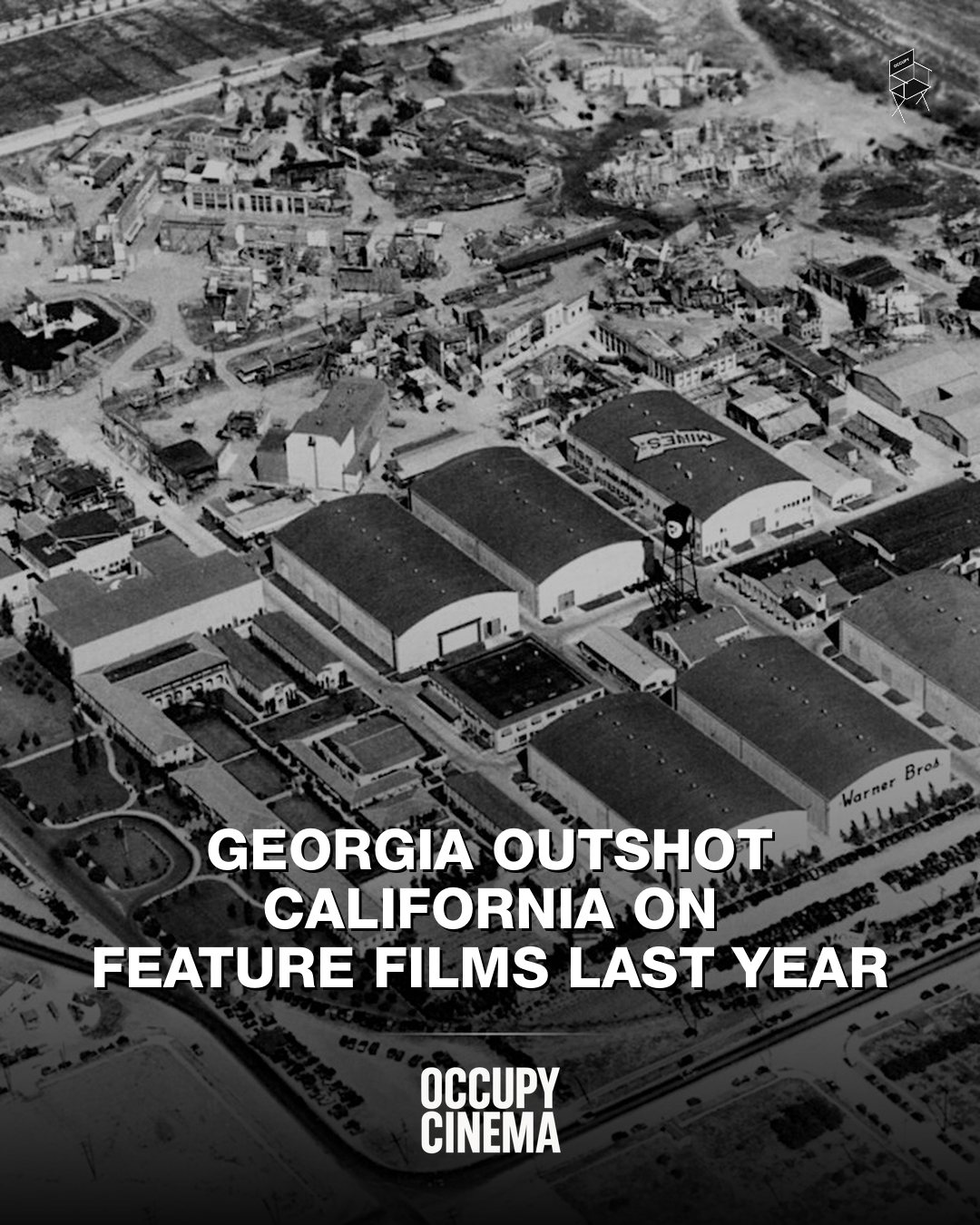
For generations, the conventional wisdom for aspiring filmmakers was a singular directive: relocate to Los Angeles. This long-standing assumption, deeply entrenched in the industry's mythology, is now being challenged by shifting production landscapes. A recent industry study has revealed a significant realignment, demonstrating that the state of Georgia has emerged as a formidable contender, hosting more feature films than California in a recent fiscal year.
The data from fiscal year 2025 indicates Georgia secured 245 projects, generating a substantial 2.3 billion dollars in production expenditure. This remarkable growth is largely attributed to the state's uncapped tax credit, a powerful incentive that has successfully lured a considerable volume of film and television work away from traditional centers. While California continues to command a larger overall spend in the industry, the metric of project count underscores Georgia's burgeoning capacity and the increasing accessibility it offers to those looking to establish a career in filmmaking. This trend signals a diversification of opportunity, moving beyond the historical dominance of Hollywood and establishing new regional centers of production activity.
This shift is not merely a statistical anomaly but represents a fundamental change in the industry's geographical distribution. The development of a robust, working crew economy in the Southeast is a critical consequence of this influx of production. This means that positions across all departments, from cinematography to art direction, are increasingly being filled by local talent, fostering a self-sustaining ecosystem. For individuals considering how to enter the film industry, this presents a compelling alternative to the long-held necessity of a bicoastal relocation.
The implications extend beyond mere economics. The presence of a thriving film sector in Georgia, particularly around metropolitan areas like Atlanta, cultivates a distinct cinematic identity. While it may not yet possess the storied history of Hollywood, it is rapidly developing its own cinematic language and talent pool. Directors like Barry Jenkins, for instance, have explored narratives deeply rooted in Southern landscapes and experiences, contributing to a unique regional aesthetic. While Jenkins' work often originates from Florida, the broader Southeastern region is increasingly becoming a canvas for diverse storytelling, attracting filmmakers interested in its distinct cultural textures and visual possibilities.
The question for aspiring professionals, then, evolves: is a move to a burgeoning production hub like Georgia now a viable, perhaps even preferable, path for breaking into the industry? The answer appears to be affirmative. As incentives continue to shape where films are made, understanding these shifts becomes paramount for anyone planning a career in cinema. The industry is expanding its geographical footprint, creating new entry points and fostering diverse creative communities. This decentralization offers a richer, more varied landscape for film production, benefiting both the industry and those eager to join its ranks.
The Shifting Landscape of Production Incentives
The uncapped tax credit offered by Georgia stands as a prime example of how governmental policy can profoundly influence industrial location. Such incentives are not unique to Georgia; other states and even countries employ similar strategies to attract investment and create jobs. However, Georgia's particular success highlights the potency of an aggressive and sustained commitment to fostering its film sector. For producers, these credits can significantly reduce the overall cost of a project, making a state like Georgia an economically attractive option, even when compared to established locales with deep infrastructure.
This competitive environment among states for film production has led to a re-evaluation of traditional industry models. The conversation is no longer solely about where the most established talent resides, but also where the most favorable economic conditions exist for filmmaking. This has spurred a construction boom in soundstages and post-production facilities across the Southeast, further solidifying its status as a major player. For further reading on industry trends and production incentives, Variety and The Hollywood Reporter frequently cover these developments. Understanding these dynamics is crucial for anyone navigating the contemporary film industry, whether as a filmmaker, crew member, or industry analyst.