Occupy Cinema › Awards
From YouTube to Oscar: A Brazilian Short Film's Unprecedented Journey
A 28-year-old filmmaker turned a 17-minute student short into an Oscar-contending feature. This is a blueprint for indie success.
By Occupy Cinema ·
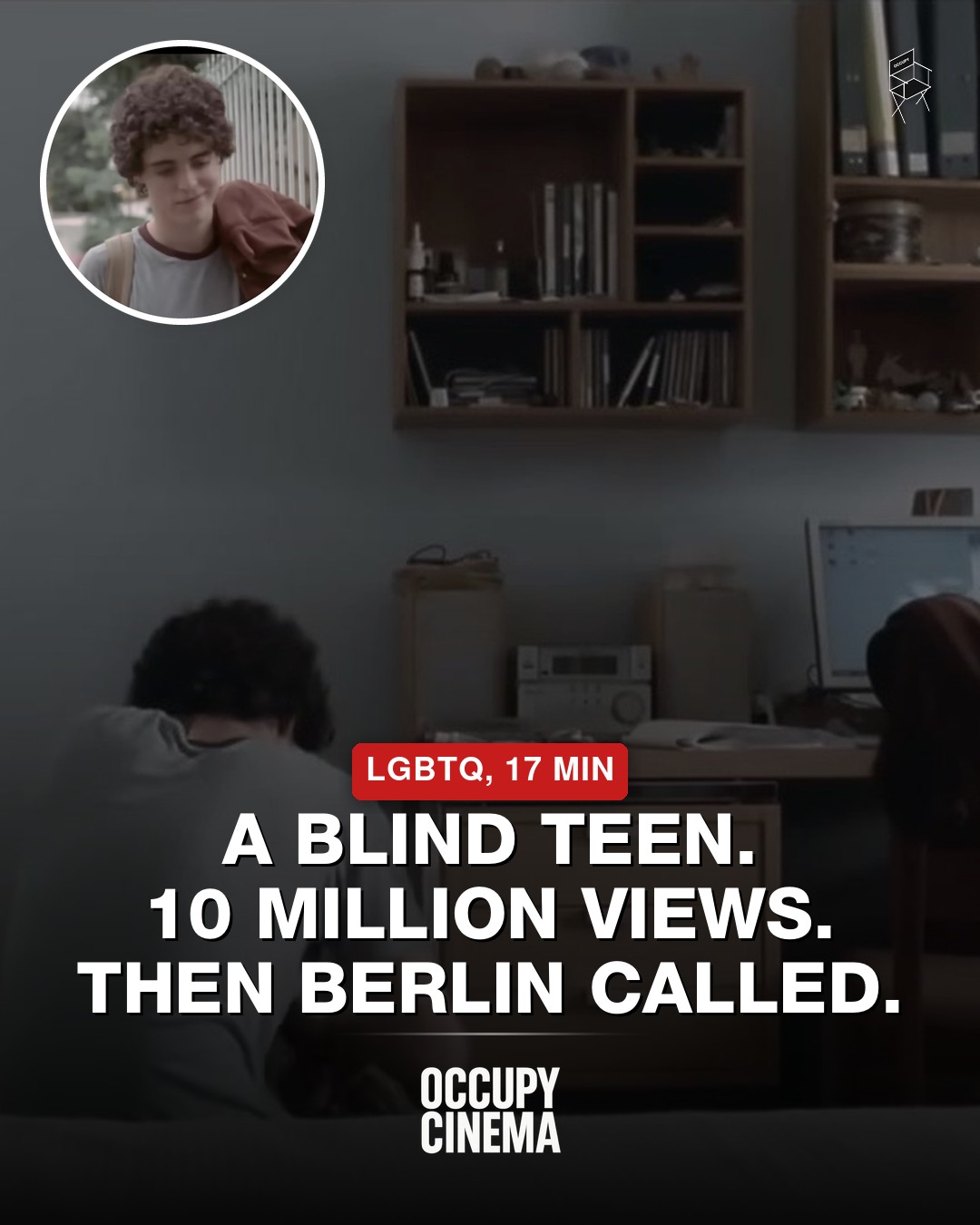
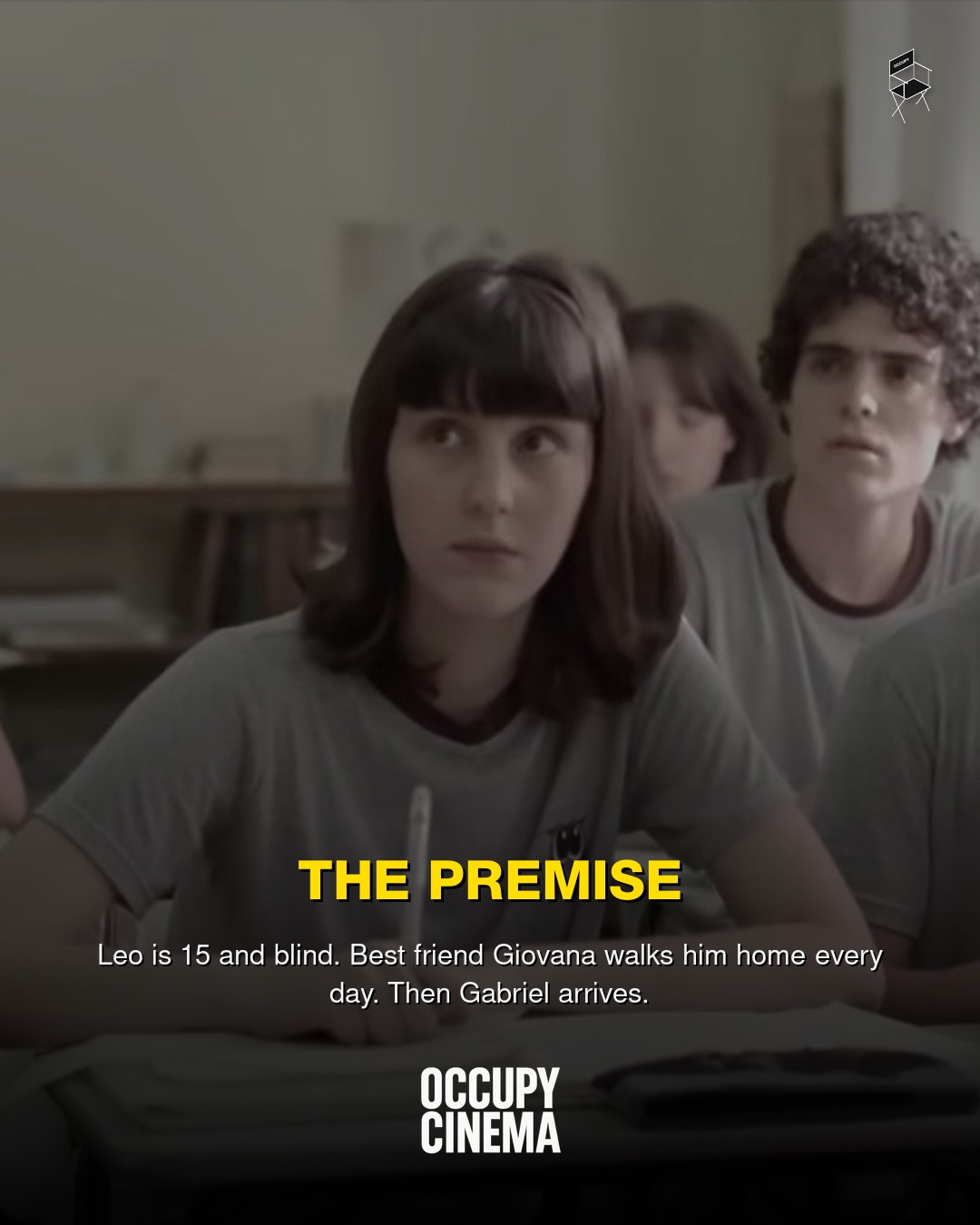
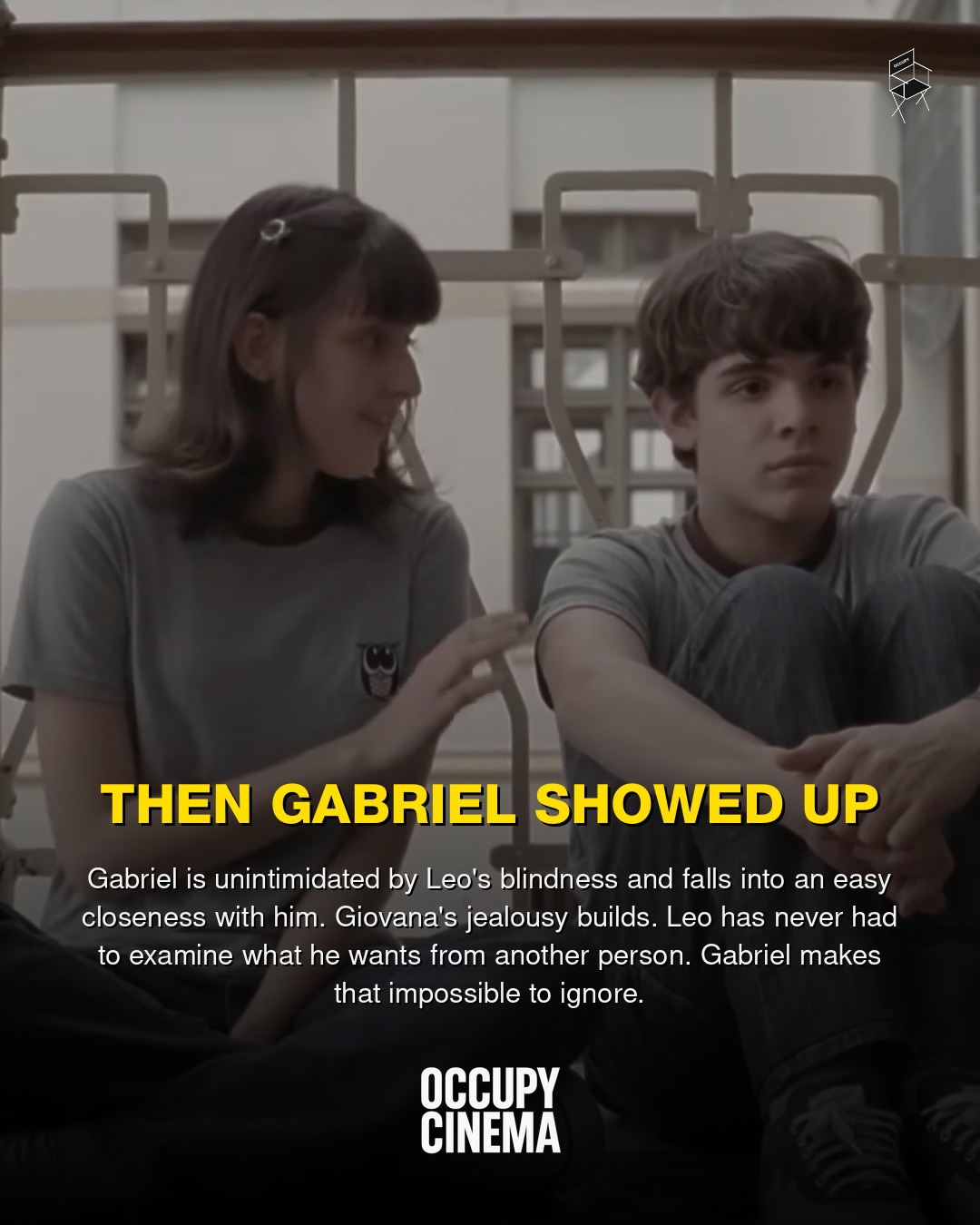
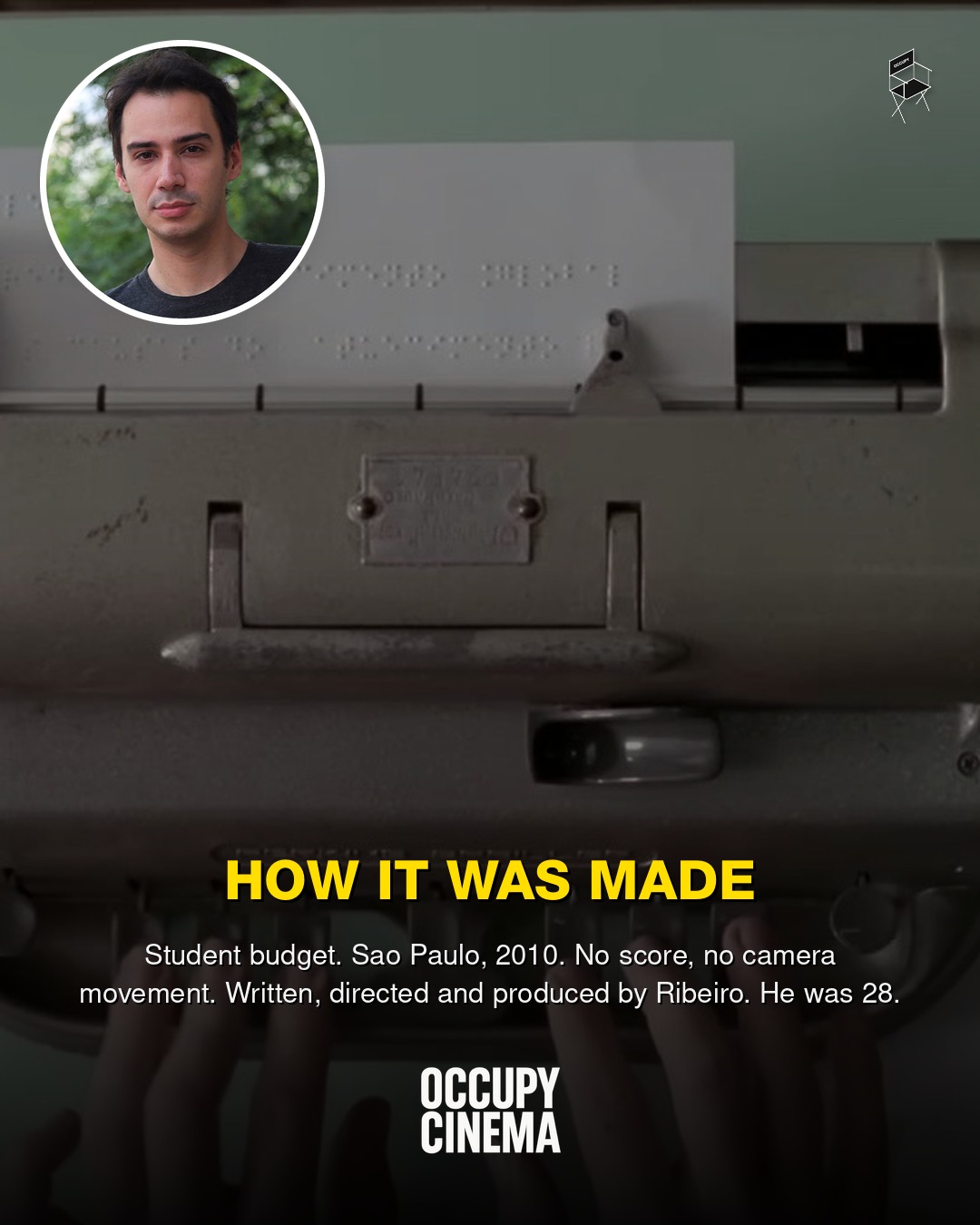
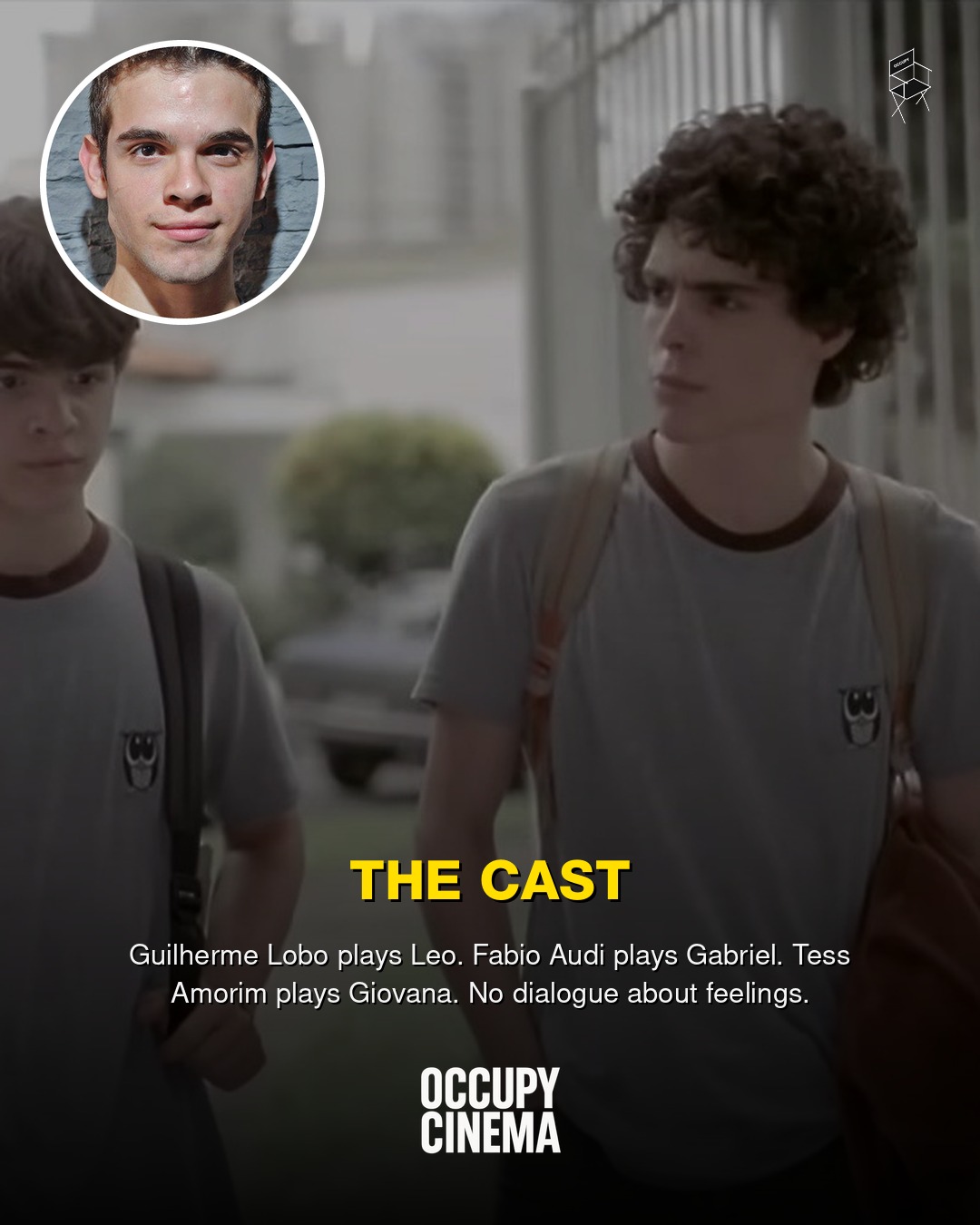
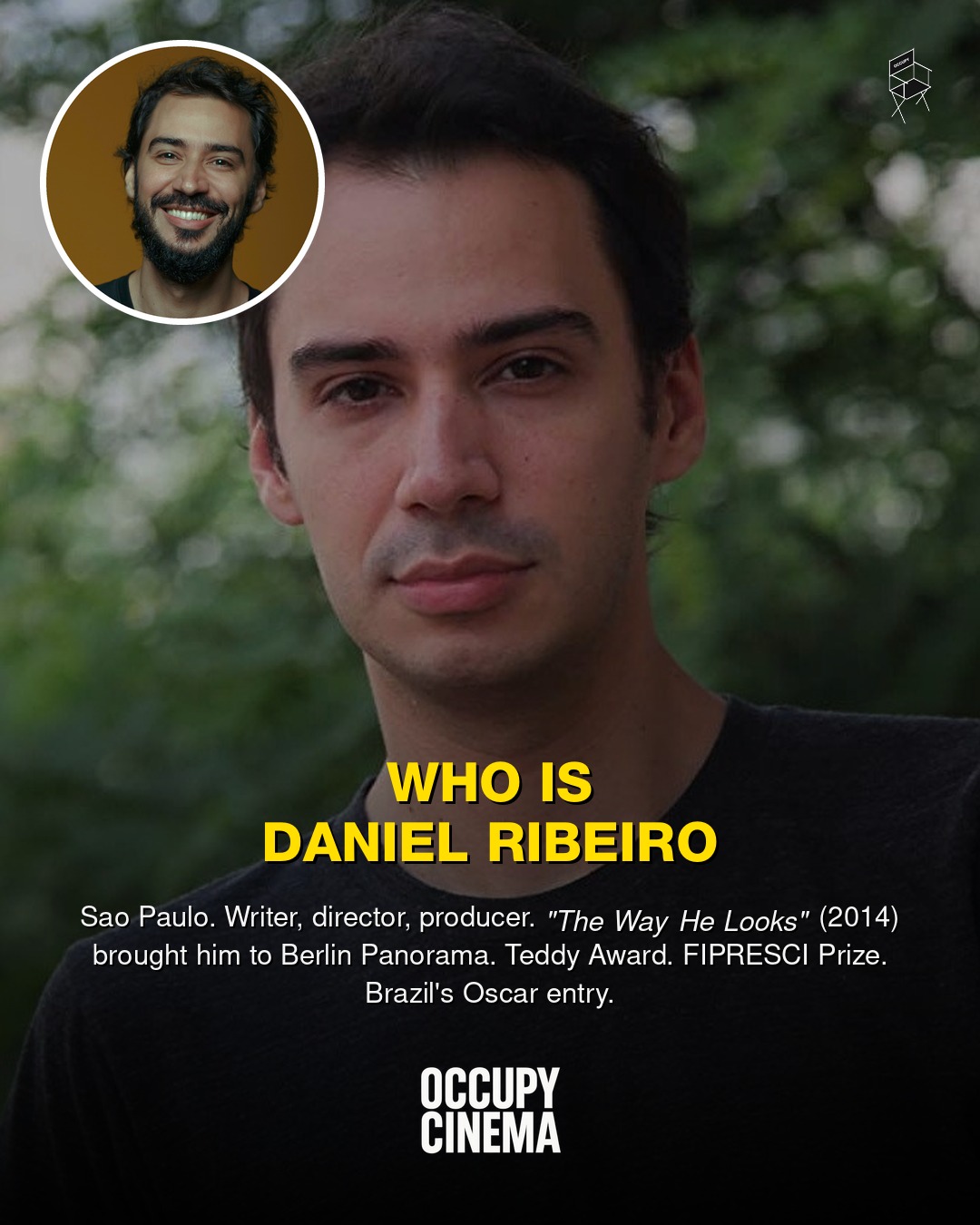
In 2010, a young filmmaker in Sao Paulo, Daniel Ribeiro, proved that distribution is no longer a gatekeeper. He shot a 17-minute short film, I Don't Want to Go Back Alone, on a student budget. Unknown actors. Minimal production. It was a simple story: three teenagers in a Brazilian high school. A blind 15-year-old named Leonardo, his best friend Giovana, and a new student, Gabriel, who disrupts their routine and Leonardo's self-perception.
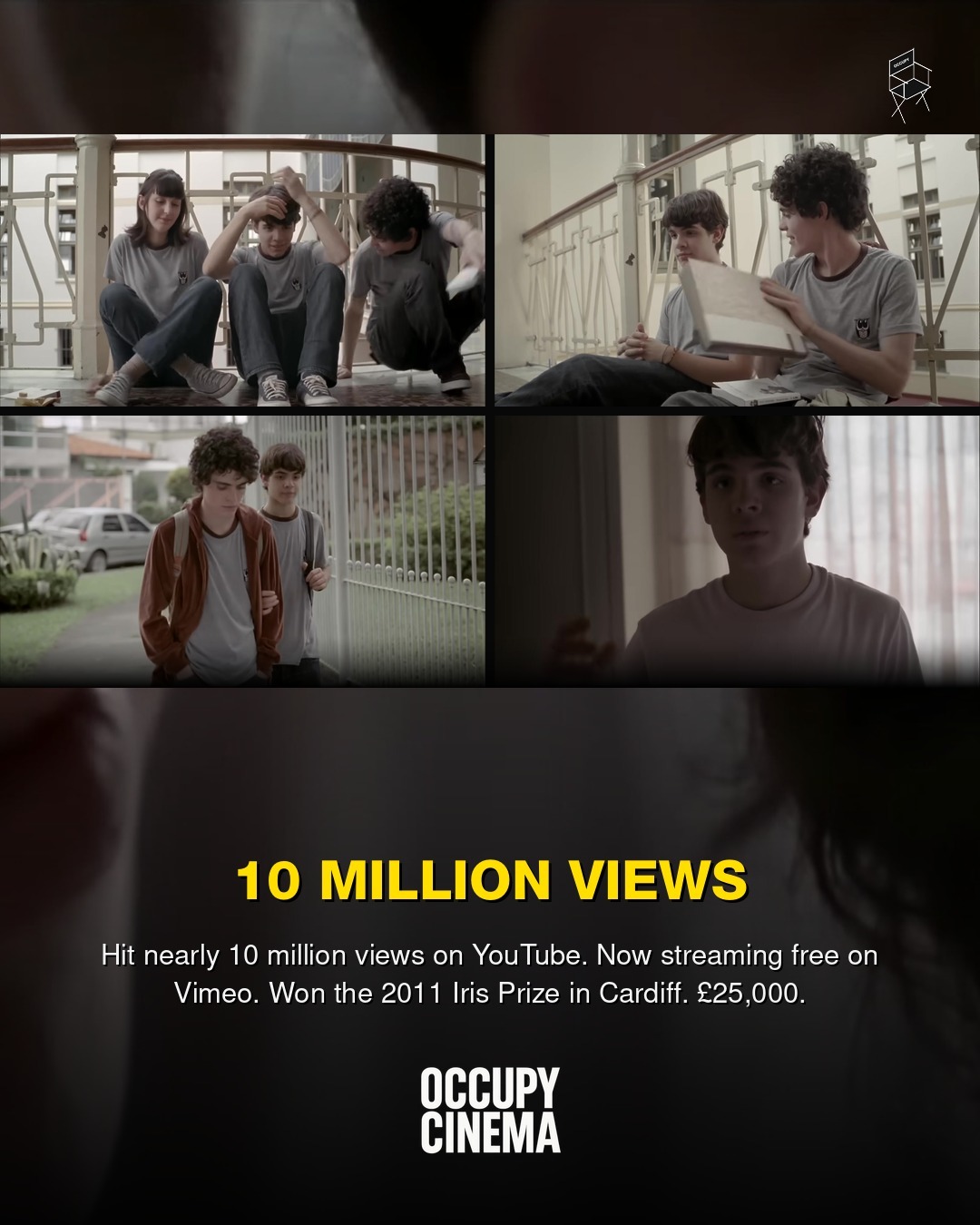
The film had no score and almost no camera movement. Dialogue about feelings was sparse. But the emotional impact was undeniable. Ribeiro did not wait for a festival premiere or a traditional distributor. He uploaded it to YouTube. This was a bold move for a film of its quality, bypassing conventional channels entirely. The payoff was massive. The short film garnered nearly 10 million views. That is a significant audience for any film, let alone a 17-minute student project from Brazil.
The film's success was not just measured in clicks. It also found critical acclaim. It won the 2011 Iris Prize in Cardiff, the world's largest prize for LGBTQ+ short films. That award brought a substantial £25,000. This kind of financial backing is crucial for independent filmmakers, especially those operating outside major studio systems.
The Feature Film Expansion
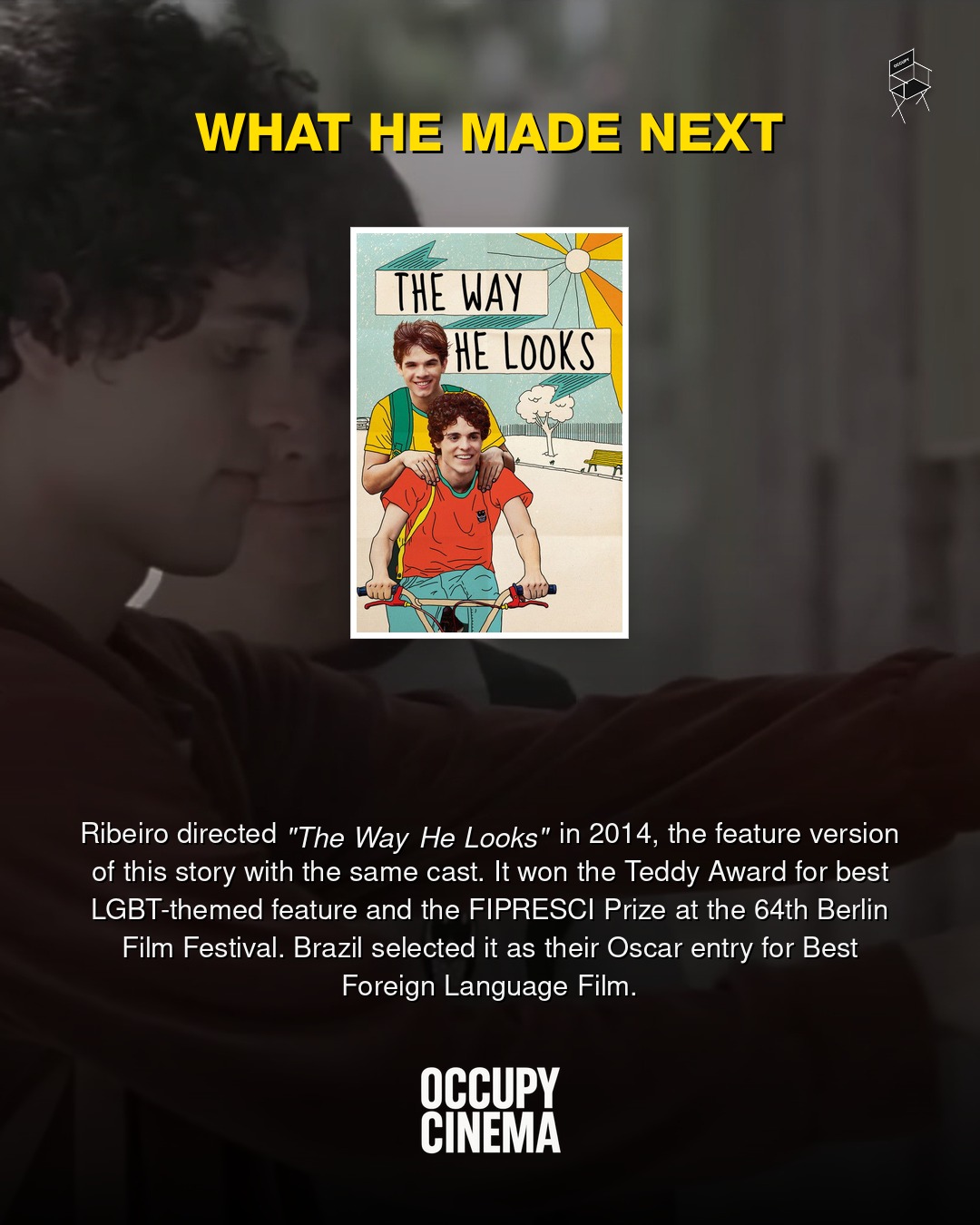
The success of the short opened doors. Daniel Ribeiro expanded the story into a feature film, The Way He Looks, released in 2014. Crucially, he retained the original cast, providing continuity and leveraging the audience's existing connection to the characters. The film premiered in the Panorama section of the 64th Berlin International Film Festival. This is a major international stage. It secured both the Teddy Award for best LGBT-themed feature and the FIPRESCI Prize. These are prestigious accolades from a top-tier festival.
Brazil then selected The Way He Looks as its entry for the Best Foreign Language Film Oscar. This trajectory is remarkable. A 17-minute short film, funded on a student budget, uploaded to YouTube, then competing for an Oscar. It illustrates a changing landscape in film distribution and career progression. The entire journey from a simple concept to international recognition took less than four years. This is a timeline that traditional film development rarely achieves.
Lessons for Aspiring Filmmakers
This success story offers clear insights. First, quality content can find an audience regardless of initial budget or traditional distribution. Second, platforms like YouTube allow direct access to that audience. Third, niche festivals and awards, like the Iris Prize, can provide crucial financial and critical momentum. Variety covered its Berlin premiere, highlighting its charm and gentle narrative. Deadline reported on its Oscar selection, underscoring its impact.
The entire production relied on accessible tools. A DSLR camera, likely. Basic editing software. No need for multi-million dollar equipment. The focus remained on the story and its authentic portrayal of young lives. IndieWire praised its sensitive storytelling. This model proves that a compelling narrative, combined with smart distribution choices, can lead to international acclaim and major industry recognition. It's a wake-up call for anyone waiting for permission to make their film.