Occupy Cinema › People
Nader Saeivar and Jafar Panahi Score Karlovy Vary Premiere with Hijamat
The 60th Karlovy Vary Film Festival is set to premiere Nader Saeivar's latest feature, a collaboration with the prolific Jafar Panahi, underscoring the festival's commitment to global cinema and filmmakers working under duress.
By Occupy Cinema ·
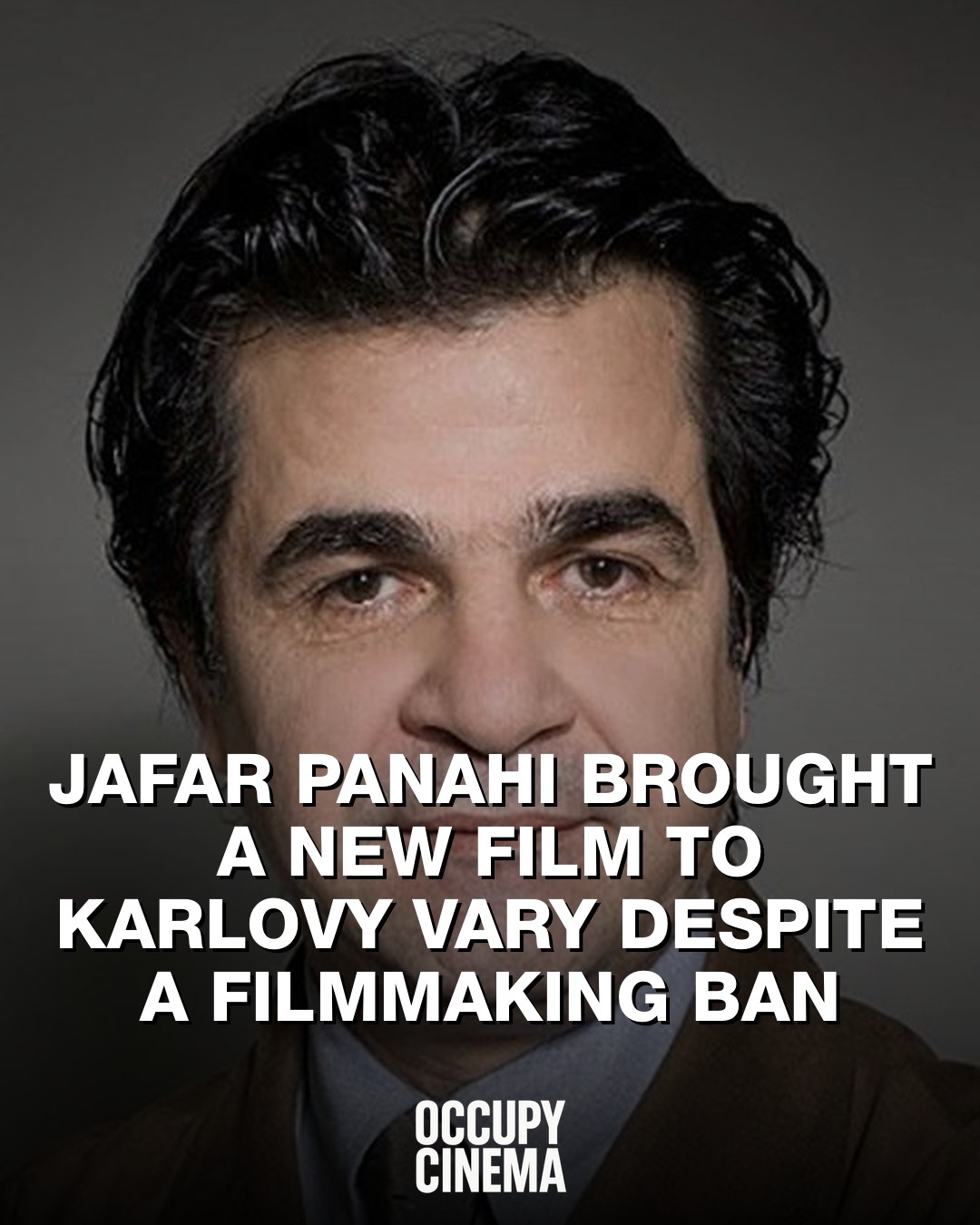
The 60th Karlovy Vary International Film Festival is making headlines with its programming slate. Iranian filmmaker Nader Saeivar is bringing his new feature, Hijamat, to the festival's competitive section. This is a significant entry, particularly because it was made in collaboration with Jafar Panahi. Panahi, a name synonymous with resilience in cinema, has continued to produce work despite severe official restrictions in Iran. His involvement alone elevates the film's profile and speaks volumes about the enduring spirit of artistic creation.
Karlovy Vary has a reputation for showcasing films from challenging geopolitical landscapes. This year, the festival features 24 world premieres across its Crystal Globe and Proxima competitions. That is a substantial number. The festival's commitment to diverse voices is clear, with selections spanning five continents. This global reach reinforces its standing as a major international platform.
Panahi's Enduring Influence
Jafar Panahi's career is a testament to perseverance. Despite a decades-long ban on filmmaking, travel, and even interviews, he has consistently found ways to tell his stories. His previous works, like This Is Not a Film and Taxi, were created under these exact conditions, often garnering critical acclaim and awards at top-tier festivals. His continued collaboration with other filmmakers, such as Saeivar, demonstrates his unwavering dedication to cinema and his ability to navigate complex restrictions. This is not just about making a movie; it is about making a statement.
The programming of Hijamat at Karlovy Vary is a strategic move by the festival. It highlights their mission to support filmmakers who operate outside conventional industry structures. It also draws attention to the broader issues of artistic freedom and censorship. This is not merely a film screening; it is a cultural and political event. The festival runs from July 3 to July 11. Industry eyes will be on this premiere, not just for its artistic merit, but for the message it sends about the power of cinema.
The implications for Iranian cinema are also significant. Despite the challenges, Iranian filmmakers consistently produce compelling, critically acclaimed work. Their presence on the global festival circuit, especially in competitive sections, indicates a robust and vital film culture. Saeivar and Panahi's collaboration is another example of this enduring strength. It demonstrates that creative expression will find a way, even against the odds. For more on the festival's lineup, check out Variety's coverage and Deadline's breakdown of the programming. These stories are essential for understanding the global film landscape.