Occupy Cinema › Box Office
From Bedroom Screens to Silver Screens: James Wan on the New Vanguard of Horror
The landscape of cinematic success is shifting, as visionary director James Wan notes, with the digital native generation now commanding the box office stage through their innovative horror creations.
By Occupy Cinema ·
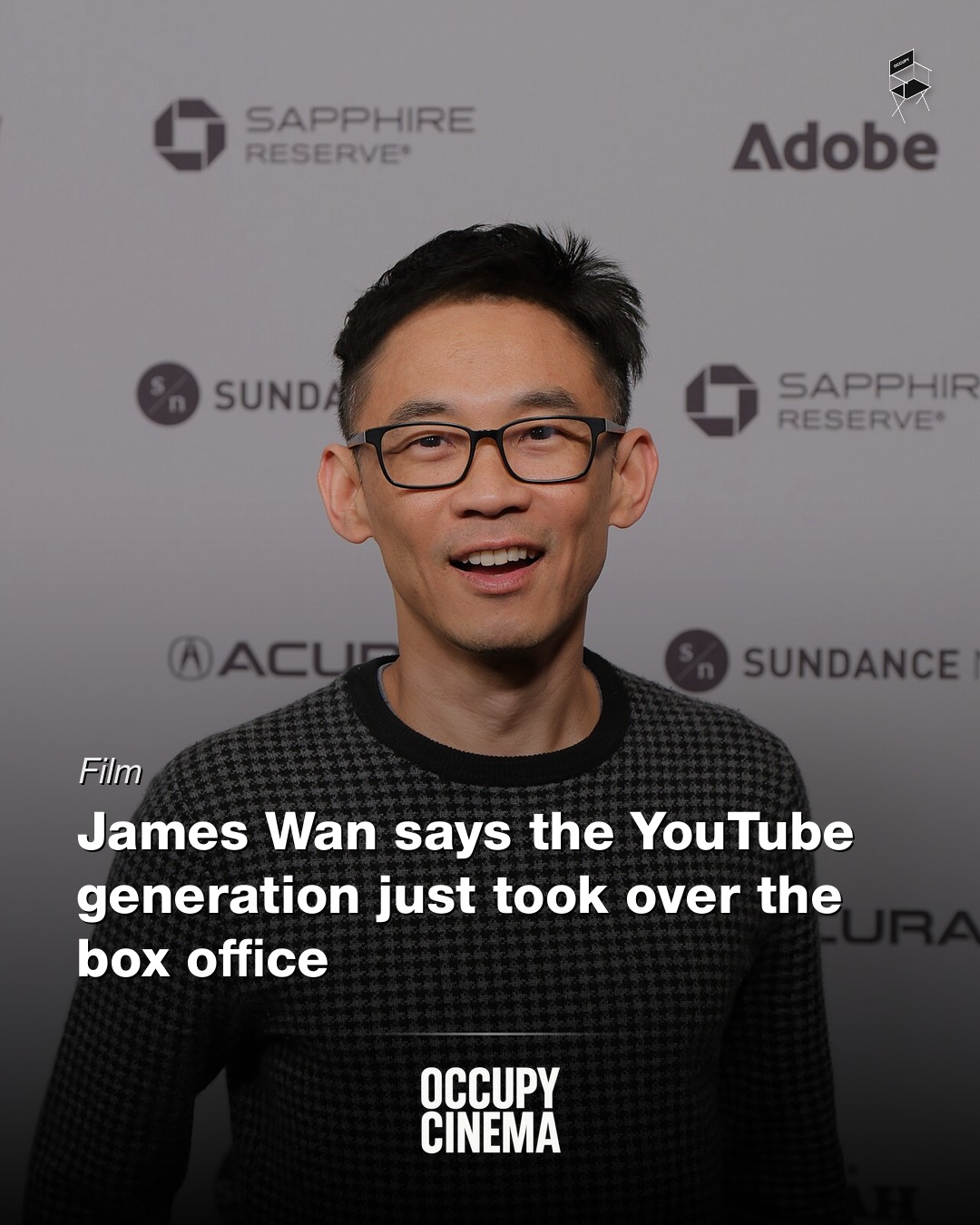
The flicker of a laptop screen, the quiet hum of a desktop computer in a bedroom late at night, these are the new crucibles of filmmaking. It is a profound shift, one that James Wan, a director whose early works like Saw and Insidious redefined independent horror with their lean budgets and explosive impact, observes with a knowing eye.
Wan, who masterfully crafted Saw for a mere $1.2 million and brought Insidious to life at $1.5 million, possesses a unique perspective on the economics of fear. He understands the alchemy of transforming limited resources into widespread terror. His recent remarks, made as new independent horror phenomena like The Backrooms and Obsession continue to resonate powerfully with audiences, underscore a fundamental change in how cinematic voices emerge.
A New Kind of Training Ground
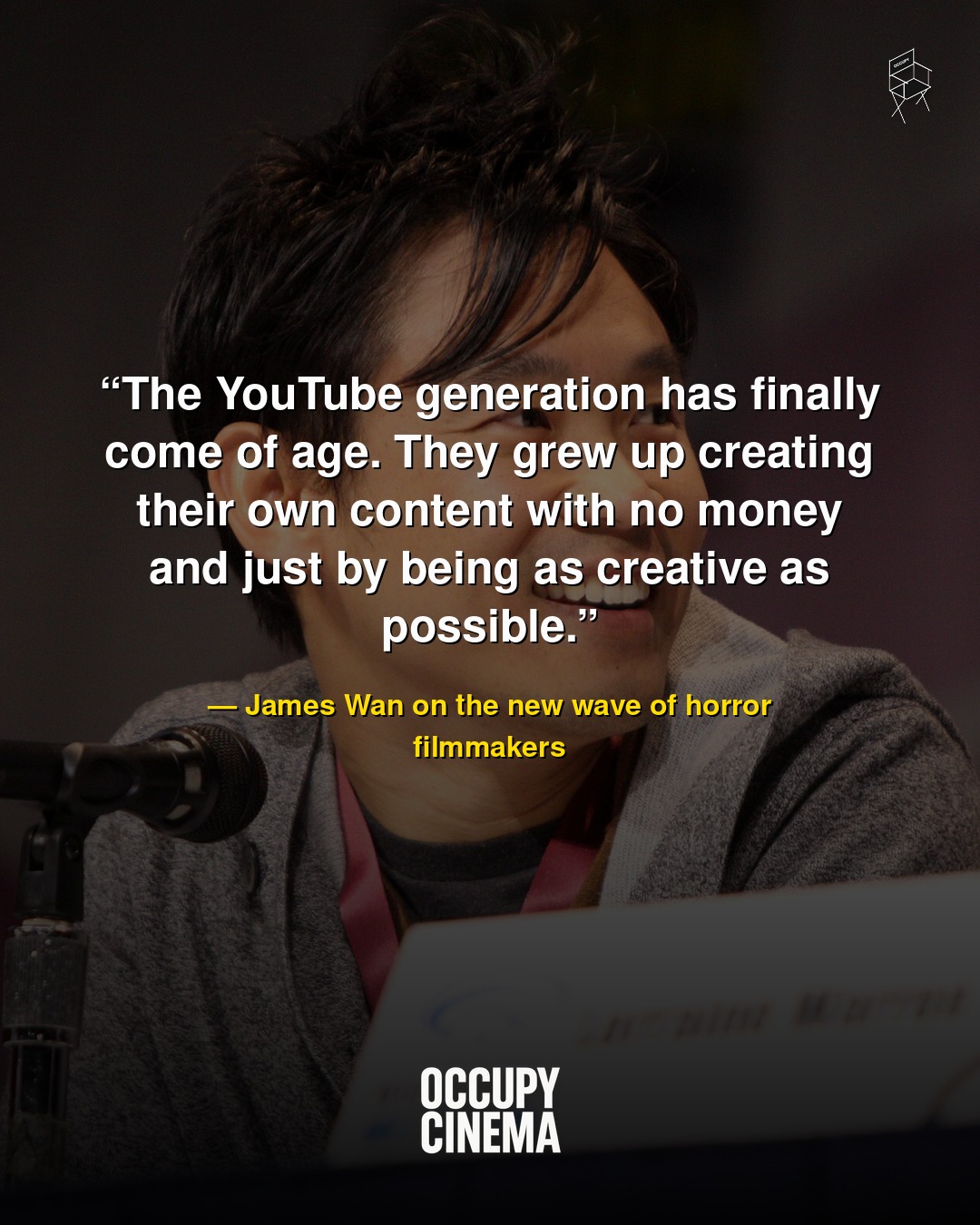
The director pointedly observed that the creators who once refined their craft by making content for free on platforms like YouTube are now the very individuals whose work is captivating theatrical audiences. This insight, shared during the opening of the Produced By Conference alongside fellow horror impresario Jason Blum, suggests a fascinating evolution in the traditional filmmaking trajectory.
The studios, with their established hierarchies and conventional pathways, might find this shift a challenging proposition. The implicit message is clear: the most potent training ground for the next wave of cinematic talent is not necessarily film school, nor is it the arduous climb up the studio ladder. Instead, it is the solitary, inventive space of a bedroom, empowered by an upload button and a global audience.
The Digital Native Auteurs
This phenomenon speaks to a democratization of filmmaking, where passion and ingenuity can bypass traditional gatekeepers. The digital realm has fostered a generation of auteurs who learned storytelling and visual language not through formal instruction, but through experimentation, direct audience feedback, and an innate understanding of viral appeal. Their films, often born from minimal budgets and maximum creativity, tap into a collective unconscious in ways that larger, more conventional productions sometimes struggle to achieve. A recent piece from The Hollywood Reporter discussed the conference and this very topic, highlighting the industry's grappling with these evolving dynamics.
The success of these digital native filmmakers is not merely about cost efficiency, it is about a fresh perspective, an unburdened approach to narrative, and a direct connection with contemporary anxieties. They understand the pulse of their peers, translating shared experiences and internet lore into narratives that feel both deeply personal and universally unsettling. This new wave challenges the very definition of what it means to be a working filmmaker, and it enriches the tapestry of global cinema, proving that the most compelling stories can emerge from the most unexpected corners.
Consider also the insights from Variety, which often covers the business side of this creative revolution, noting the consistent profitability of the horror genre when handled with such keen understanding of its audience and economic limitations. This is not just a trend, it is a testament to the enduring power of raw, unadulterated storytelling.
Luna Greenwood, World and Arthouse, Occupy Cinema.
Related reading: Making Movies by Sidney Lumet, a master class on the craft of filmmaking.