Occupy Cinema › Business
The Resurgent Charm of Microbudget Melodrama
John Early's approach to filmmaking, drawing inspiration from the resourcefulness of 1950s television melodramas, reminds us that creativity often thrives when constraints are embraced.
By Occupy Cinema ·
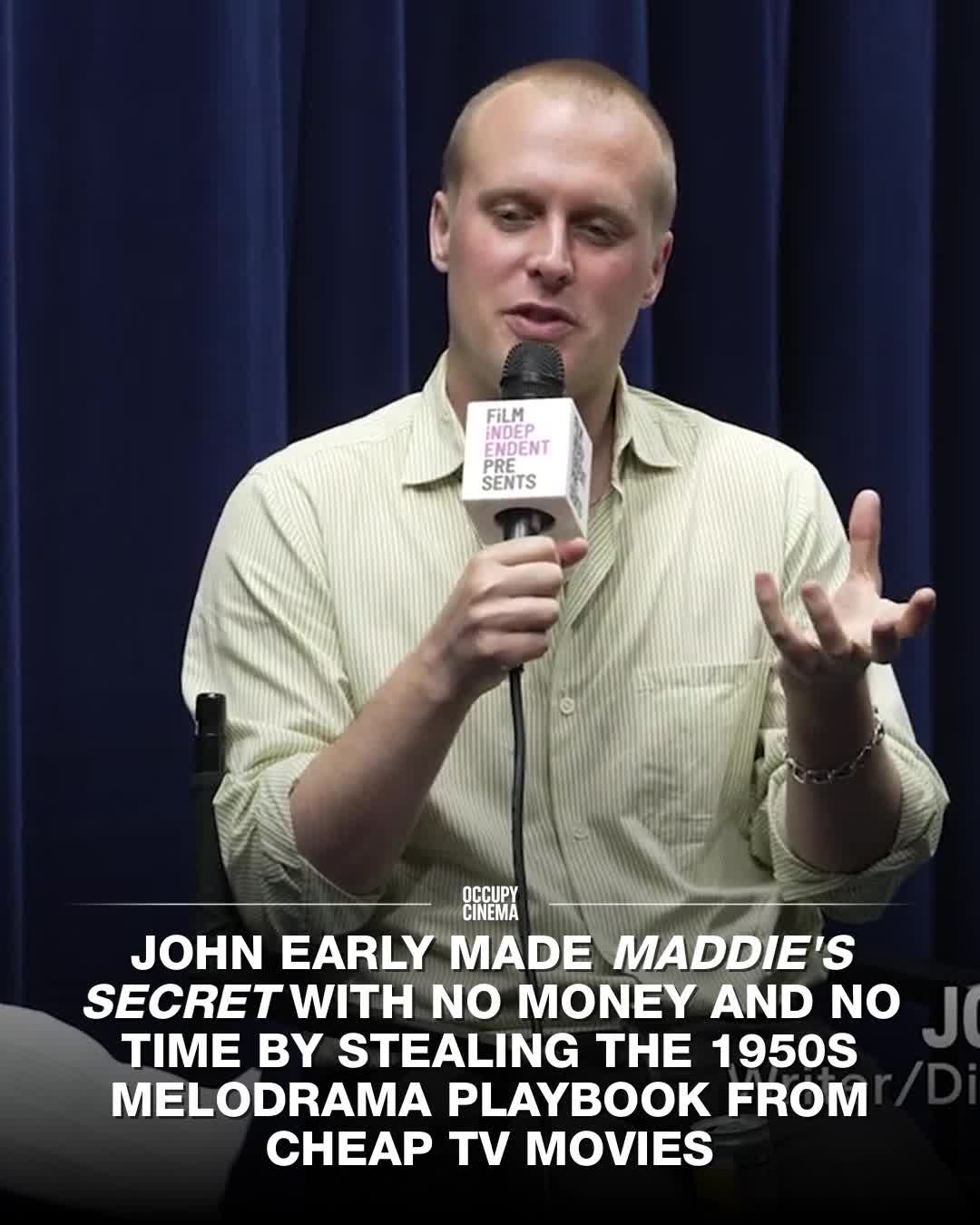
The morning light catches dust motes dancing in the air, a quiet ballet in an empty room. This sense of making something from very little, of finding grandeur in the everyday, resonates deeply with the spirit of independent filmmaking. John Early, a name increasingly synonymous with a fresh, inventive spirit, has embarked on a cinematic journey that consciously eschews the comforts of a significant budget and expansive timelines. His method, as he describes it, is a deliberate homage to the ingenious, almost audacious, ways in which 1950s television melodramas conjured a sense of lavish studio production with practically no resources.
Those mid, century television programs, often shot with a frantic efficiency and a keen eye for maximizing every dollar, managed to fake a 'big studio sensibility.' They did so by embracing their limitations, by understanding that emotion and narrative power could be found in close, ups, in the charged silence between lines, and in the raw, immediate performances of their actors. Early's vision is to replicate this feeling, to build a cinematic experience with friends, relying on ingenuity and shared passion rather than financial backing. It is a philosophy that sees constraint not as a hindrance, but as a fertile ground for innovation.
The Art of Resourceful Storytelling
This approach is not merely a pragmatic choice, it is an aesthetic one. By deliberately working with no money and no time, Early taps into a tradition of filmmaking that prioritizes the essence of storytelling over elaborate production values. We see echoes of this in the early works of auteurs like John Cassavetes, whose films, often self, financed and shot with friends, captured a raw, unfiltered humanity that larger productions often missed. Cassavetes understood that the beating heart of a film lies in its characters and their emotional truths, not in the sheen of its production design.
The choice of melodrama as a genre is equally insightful. Melodrama, by its very nature, thrives on heightened emotion, on dramatic confrontations, and on the internal lives of its characters. These are elements that can be conveyed powerfully through performance and close attention to human interaction, requiring less in terms of elaborate sets or visual effects. It is a genre that allows for a deep dive into the human condition, often exploring themes of love, loss, betrayal, and redemption, all within the confines of intimate settings. Early's embrace of this style suggests a filmmaker deeply attuned to the power of human drama.
A New Wave of Microbudget Cinema
The independent film landscape has always been fertile ground for such experiments. From the Dogme 95 movement, which imposed strict rules on its filmmakers to foster purity and authenticity, to contemporary microbudget successes, the history of cinema is replete with examples of artists who have turned financial limitations into creative advantages. This movement is a testament to the enduring truth that compelling stories can emerge from the most unlikely of circumstances, often with a unique texture and authenticity that can be lost in more opulent productions. John Early's work fits squarely into this lineage, promising a cinema that is both deeply personal and universally resonant.
This commitment to a scrappy, resourceful method is not just about making a film, it is about making a statement. It is a reminder that the tools of cinema are accessible, and that passion, creativity, and a clear artistic vision can overcome much. It is a call to arms for those who believe in the power of storytelling, regardless of the size of their budget. IndieWire often champions these voices, highlighting how filmmakers like Early are reshaping the industry from the ground up, proving that sincerity and originality can be found outside the studio system. Variety also frequently covers the vibrant ecosystem of independent cinema, where such innovative approaches are celebrated. The allure of making a film with friends, leaning into the immediate, and stealing from the playbook of resourceful pioneers, offers a vital counter, narrative to the prevailing trends of blockbuster cinema. It is a beautiful, almost poetic, way to approach the craft.
Luna Greenwood, World and Arthouse, Occupy Cinema.
Related reading: Making Movies by Sidney Lumet, a master class on the craft of filmmaking.