Occupy Cinema › Film News
The Ghost in the Machine: Rekindling the Flickering Light of Silent Cinema
A vast, silent ocean of cinematic history has been lost to time, but dedicated archivists are working tirelessly to recover and restore the fragile remnants of an era.
By Occupy Cinema ·
There is a certain quiet sorrow in imagining the films that have simply ceased to exist, evaporating like mist over a still lake. We speak of cinema as a living art, yet a significant portion of its earliest breath, the silent era, is now a ghost. The flickering images, the grand gestures, the stories told without spoken dialogue, many of these are forever beyond our grasp. It is a stark reminder of the impermanence of even the most vivid creations, especially when housed on materials as volatile as early film stock.
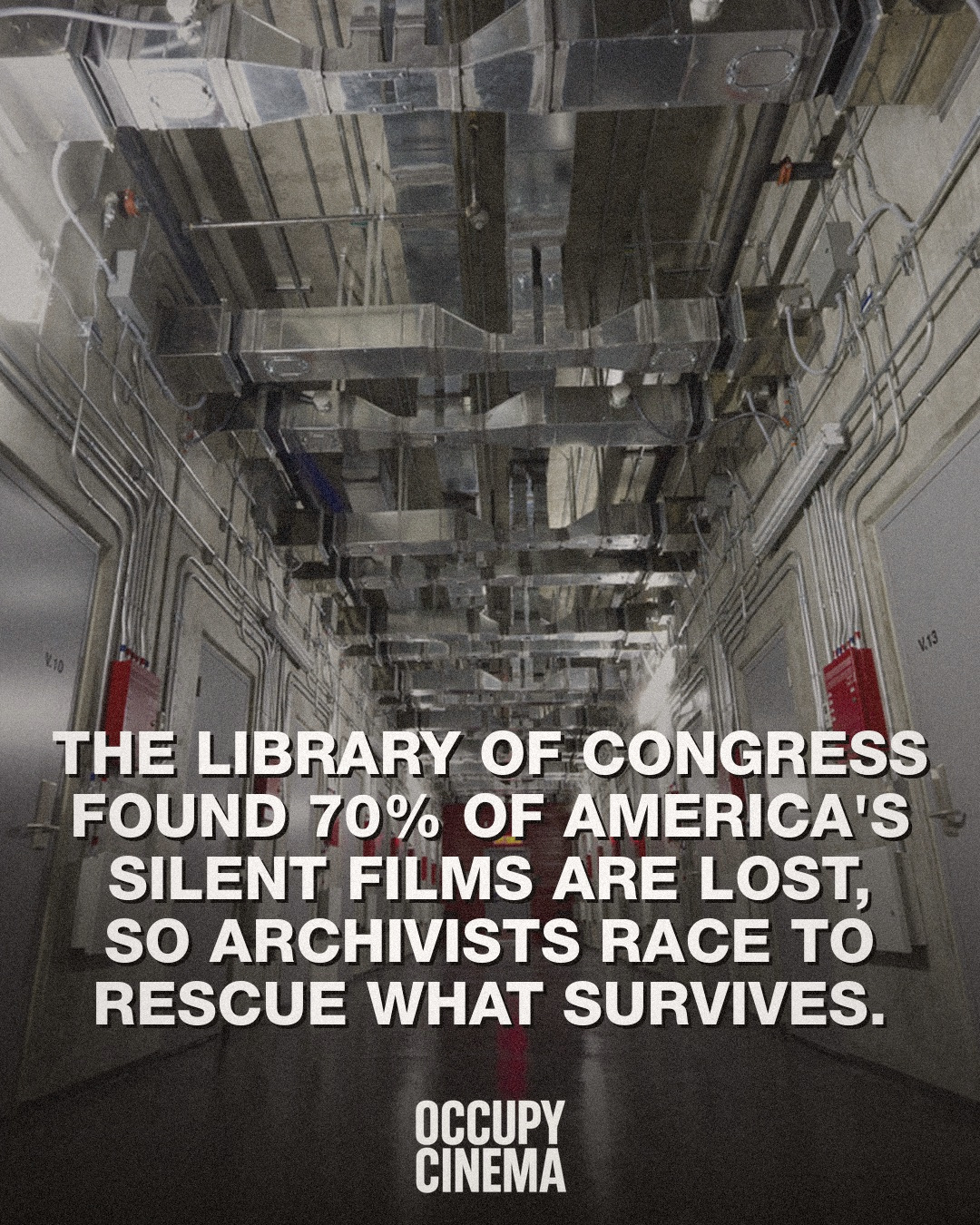
A poignant study from the Library of Congress revealed a sobering truth: an estimated seventy percent of American silent feature films have vanished entirely. This is not merely a number, but a chasm, a silence where thousands of voices once resonated. Before the meticulous craft of film preservation truly took hold, these treasures, from sweeping dramas to intimate character studies, were simply erased by the relentless march of time and the fragility of their physical form. It is a loss that echoes through the annals of film history, leaving us to wonder about the narratives and performances that shaped an emerging art.
The Delicate Dance of Restoration
The films that, by some miracle, did survive often exist in a precarious state. Nitrate film stock, once the industry standard, is notoriously unstable, prone to degradation, and even combustion. It is a delicate dance against time, where every frame is a race against decay. Imagine the quiet dedication of an archivist, working in cool, carefully controlled environments, handling reels that might crumble to dust if not treated with the utmost care. Their work is a testament to an abiding love for cinema, a belief that these early artistic expressions deserve to be seen, studied, and cherished by future generations. As The Hollywood Reporter once detailed, the scale of this loss is immense, yet it also underscores the heroism of those who endeavor to reverse it.
Today, a global network of archives and nonprofit foundations operates with quiet determination, their mission to salvage what remains. This labor is often painstaking, focusing on one reel, one film at a time. From the vast studio vaults, where classics are carefully handled, to the discovery of an orphaned independent work in an unassuming collection, each rescued film is a victory. This is not merely about preserving historical artifacts, but about keeping alive the spirit of early filmmaking, understanding the foundational grammar of cinema, and appreciating the artists who pioneered this medium. The visual language of F.W. Murnau or the intricate narratives of D.W. Griffith, for example, would be incomplete without these salvaged pieces.
A Legacy Illuminated
These dedicated individuals, often working away from the glare of public recognition, are the unsung heroes of film. Their meticulous efforts ensure that the legacy of early cinema is not entirely swallowed by silence. Every copied negative, every digitally restored frame, breathes new life into works that would otherwise fade into oblivion. Their work allows us to connect with the origins of cinematic storytelling, to witness the evolution of visual narrative, and to experience the raw, expressive power of performances that predate synchronize sound. It allows us to understand the lineage of filmmakers like Martin Scorsese, who has been a passionate advocate for film preservation through organizations like The Film Foundation. Variety has often covered the tireless efforts of such foundations, highlighting the ongoing need for resources and awareness.
The act of restoring a silent film is an act of profound respect, a recognition that these early cinematic expressions are not just historical curiosities, but vital components of our cultural heritage. It is an invitation to lean in closer, to listen to the images, and to appreciate the profound artistry that flourished in the twilight of an era now slowly being rekindled, one preserved reel at a time.
Luna Greenwood, World and Arthouse, Occupy Cinema.
Related reading: Making Movies by Sidney Lumet, a master class on the craft of filmmaking.