Occupy Cinema › Development
The Maverick Actor: Bypassing the Hollywood System for Creative Partnerships
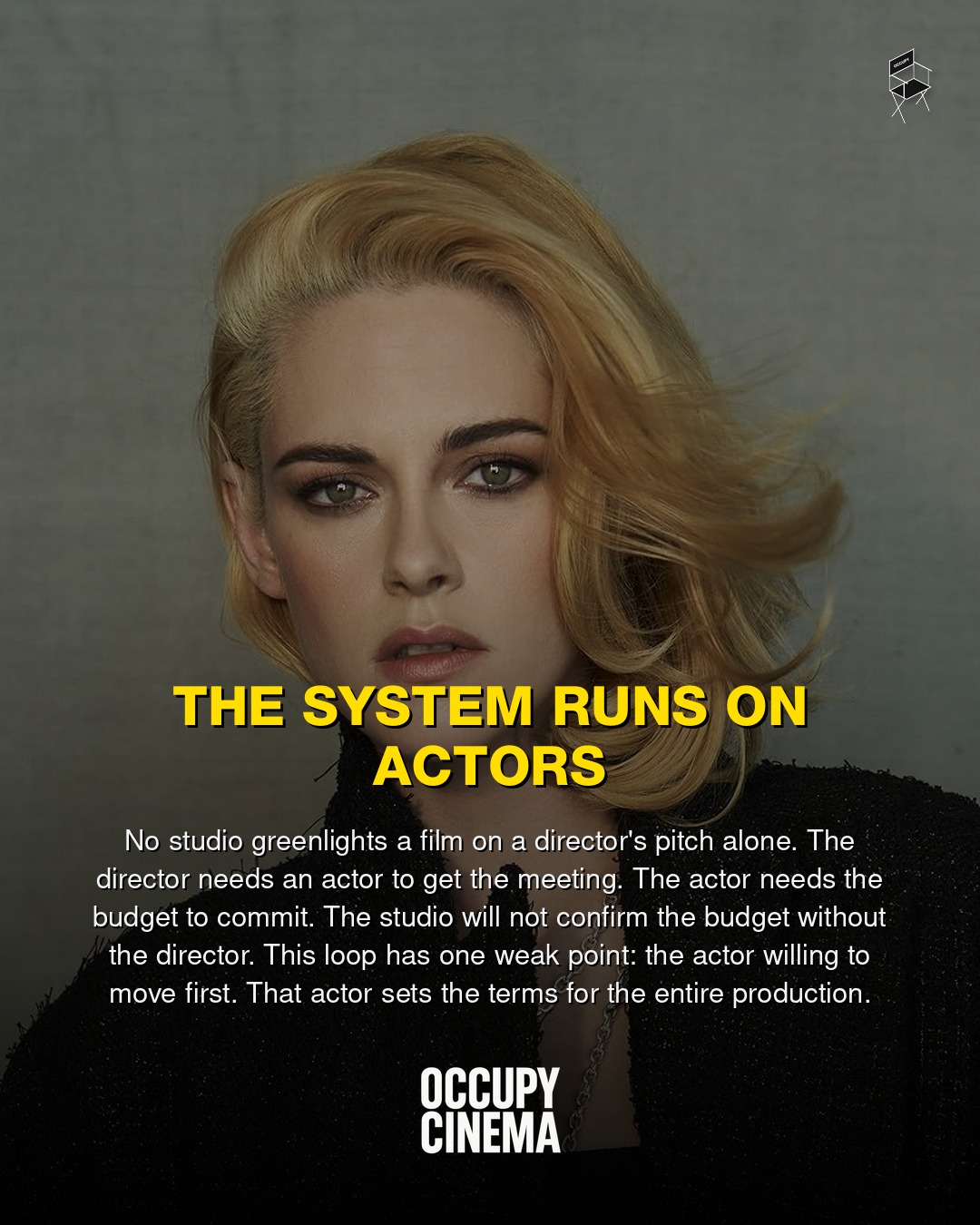
Studio greenlighting processes often prioritize established talent and financial viability over creative alignment. This creates a bottleneck that a specific type of actor, willing to commit early, can circumvent.
By Occupy Cinema ·
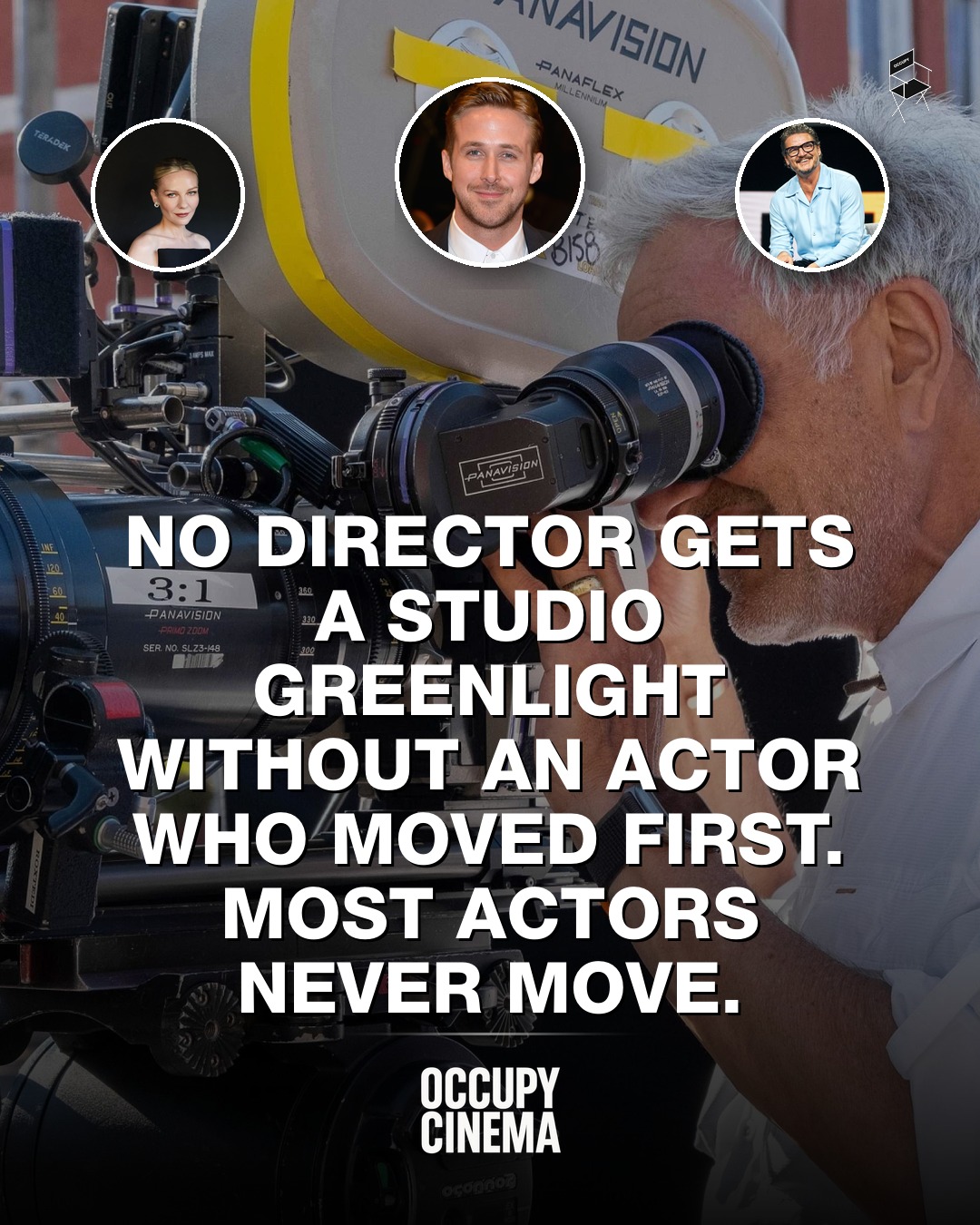
The traditional Hollywood development pipeline is a multi-stage gauntlet. A director, let us say Christopher Nolan, has a concept. To advance this concept beyond a speculative outline, a studio typically requires a significant talent attachment, usually a recognizable actor. This actor, in turn, often requires a budget commitment, or at least a clear path to one, before formally signing on. This circular dependency creates a systemic hurdle for projects that do not originate from established franchises or pre-existing intellectual property.
The core issue lies in risk mitigation. Studios operate on a model of minimizing financial exposure, and a star-driven vehicle is perceived as safer. The actor, however, holds a unique position within this ecosystem. Their involvement, particularly at an early stage, can fundamentally alter the perceived risk profile of a project. When an actor of significant standing, for instance, a reliable box office draw, expresses genuine interest and a willingness to commit to a director's vision before the full financial scaffolding is in place, they disrupt the standard operating procedure.
The Agent's Mandate Versus Creative Vision
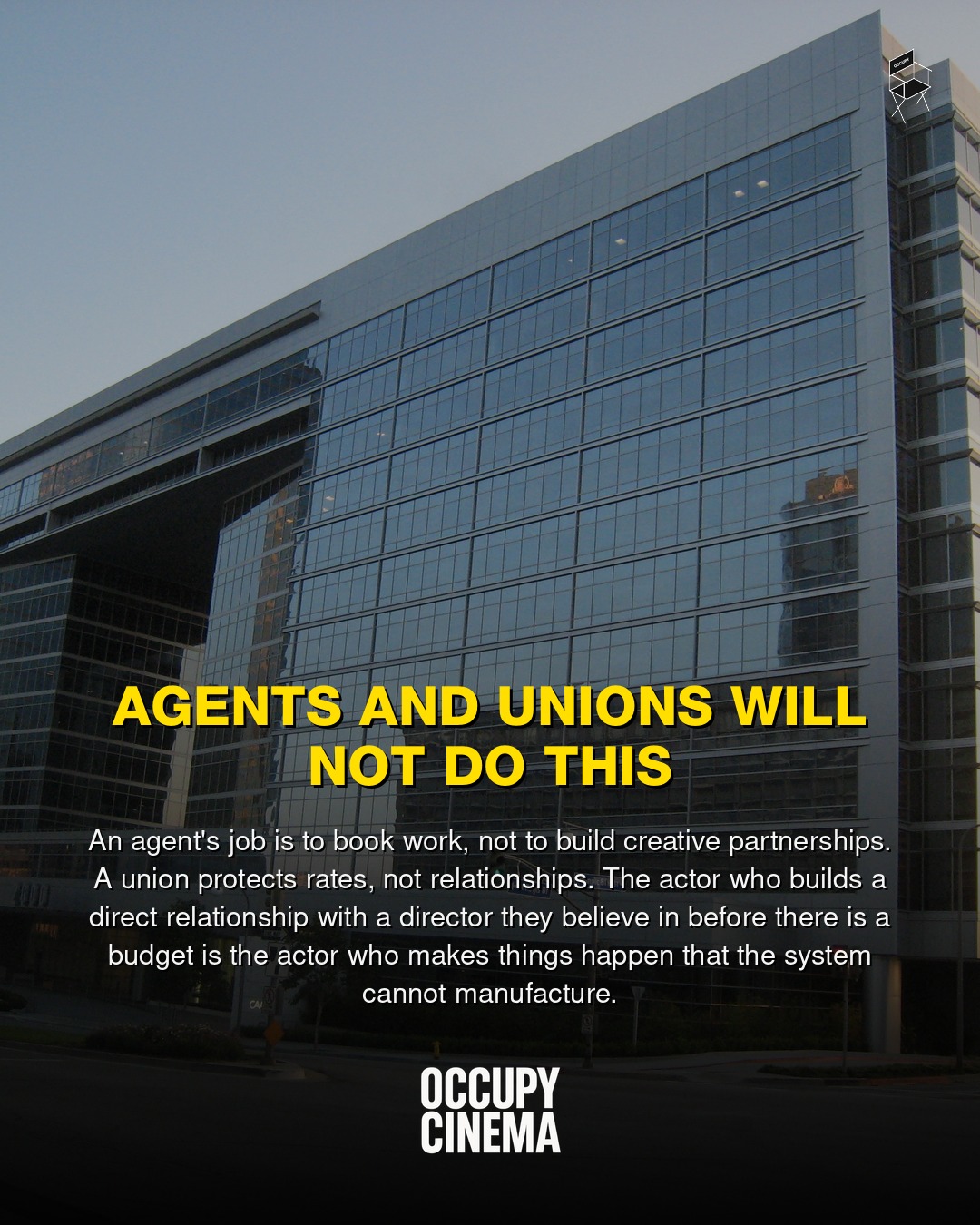
It is important to understand the distinct roles within the industry. An agent, fundamentally, is tasked with securing employment and negotiating the most favorable terms for their client. This often translates into pursuing projects with established budgets and clear production timelines. Their mandate rarely extends to fostering nascent creative partnerships that exist outside of a defined financial framework. Similarly, unions, such as SAG-AFTRA, focus on protecting member rights, ensuring fair wages, and establishing working conditions. While crucial, these functions do not inherently facilitate the organic, pre-production relationship building that can drive truly independent or creatively challenging projects.
The actor who chooses to engage with a director on a project's earliest conceptual stages, prior to official studio backing, is performing a critical, unquantifiable service. This is not merely about securing a role, but about lending their gravitas and marketability to the project itself. This early commitment can be the leverage a director needs to secure subsequent attachments, attract financing, or even pitch a more compelling package to a studio. Consider the collaborative model seen in certain European productions, where creative teams often coalesce around a concept long before a distribution deal is finalized.
Building Relationships Beyond the System
This approach runs counter to the prevailing transactional nature of much of Hollywood. It requires a degree of trust and shared artistic vision that transcends standard contract negotiations. Directors like Kelly Reichardt, known for her independent spirit and consistent collaborations with actors like Michelle Williams, often cultivate these deeper relationships. These partnerships are not solely contingent on a studio's immediate financial approval. They are built on a mutual respect for the craft and a desire to tell specific stories. The system is designed for efficiency and predictability, but creativity often thrives in less structured environments. The actor who bypasses the conventional progression of agent, studio, and budget, and instead aligns directly with a director, is not just taking a risk, they are actively shaping the landscape of what films get made, and how. This path often leads to work that feels more authentic, less compromised, and ultimately, more impactful, precisely because it originated from a place of genuine creative synergy, rather than market forces alone.
This dynamic often bypasses the typical layers of bureaucracy, allowing for a more direct line from artistic intent to screen. It is a testament to the power of individual initiative in an industry often perceived as monolithic. For those interested in the mechanics of film development, resources like The Hollywood Reporter's deep dives into studio operations provide further insight. Understanding the structure illuminates the points where strategic intervention, such as an actor's early commitment, can make a significant difference. For a broader perspective on indie filmmaking, IndieWire consistently covers projects that navigate these very challenges, often relying on such unconventional pathways to production.