Occupy Cinema › Film News
The Analog Legacy, The Digital Future, and The Archivist Who Bridges The Gap
A deep dive into the tireless work of Wernher Krutein, an archivist who has meticulously preserved half a million photography slides, and the urgent questions his dedication raises about the future of analog media.
By Occupy Cinema ·
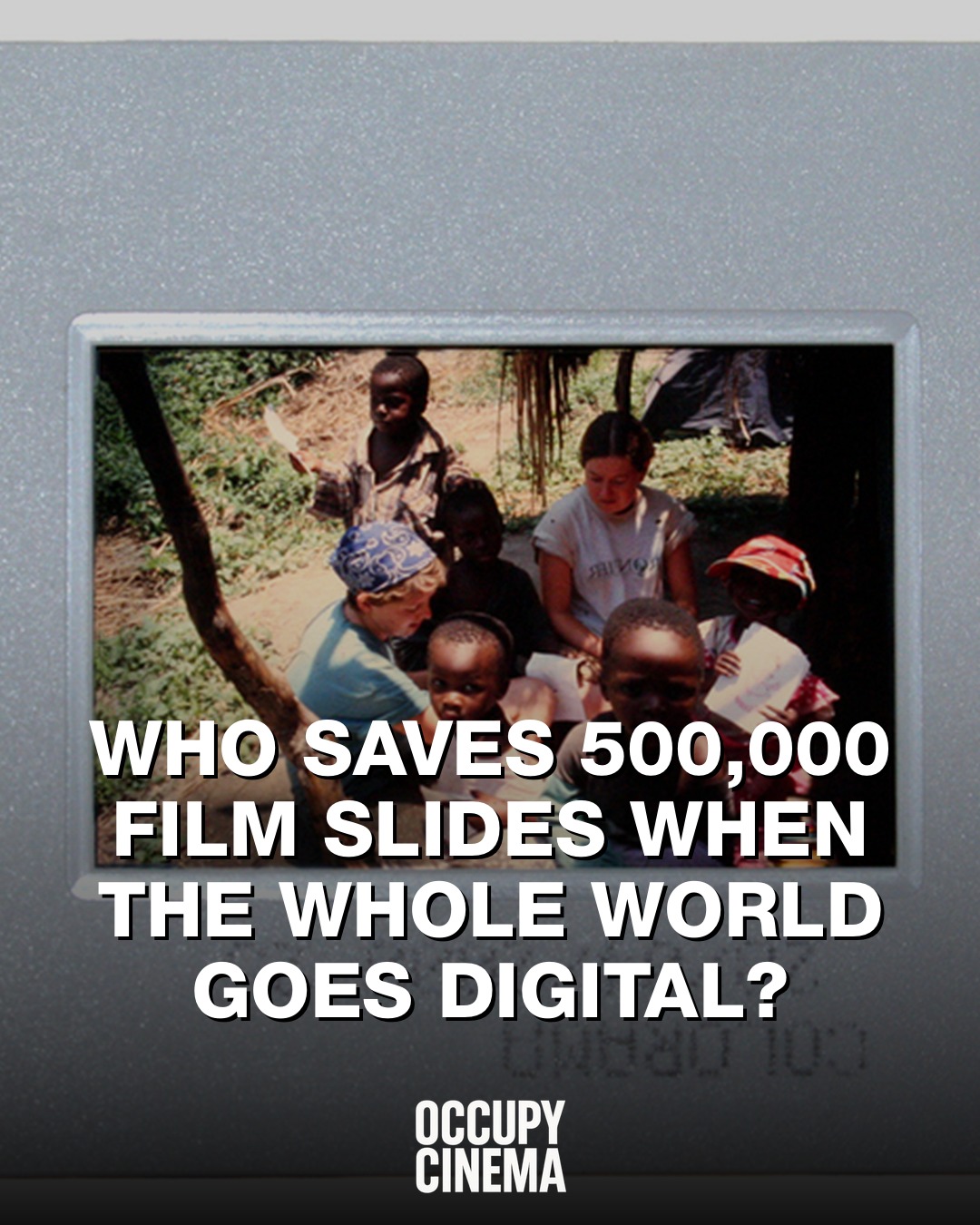
In an age where digital reigns supreme, the sheer dedication to analog preservation feels almost like an act of rebellion. Yet, it is an essential one. We are talking about the incredible work of just one man, Wernher Krutein, who has taken on the monumental task of hand-coding an astounding collection of roughly 500,000 photography slides. His ingenious retrieval system, which he calls Fluid Logic, allows him to locate and pull any physical slide in mere seconds. This is not just a quirky hobby, it is a critical endeavor that highlights a growing crisis in the world of film and photography.
As the film industry collectively pivoted from the tactile beauty of celluloid to the pristine efficiency of digital, the landscape of analog stewardship changed dramatically. What was once the domain of well-funded institutions and large-scale archives has increasingly become a labor of love, maintained by passionate individuals operating on shoestring budgets. Krutein’s work, in this context, is not just impressive, it is a vital lifeline for a significant chunk of visual history that could otherwise be lost to time, decay, or simple misplacement.
The Unsung Heroes of Preservation
Think about it, each of those 500,000 slides is a moment captured, a piece of history, an artistic expression. Without dedicated efforts like Krutein's, these physical artifacts face an uncertain future. The industry’s shift created a vacuum, and it is often these unsung heroes who step into the breach. Their commitment keeps the flame of analog history burning, connecting us to the visual language of the past in a way that digital surrogates, while valuable, can never fully replicate.
This is where the bigger, more pressing questions emerge. When the individuals who have poured their lives into safeguarding these physical archives eventually retire, or when the financial strain becomes too great, what then? Who will step up to ensure that these invaluable collections remain findable, accessible, and protected? Preservation is, by its very nature, unglamorous. It is expensive, it is time-consuming, and it is incredibly easy to lose, especially without institutional backing and consistent funding. The tools of the trade, from archival sleeves to climate-controlled storage, are not cheap, and the expertise required is specialized.
Krutein’s story is a powerful reminder that while we celebrate the latest digital innovations, we must not forget the foundational elements of our visual heritage. His Fluid Logic system is a testament to human ingenuity applied to a very physical problem. It allows a tangible connection to the past, a direct interaction with the artifacts themselves, which is increasingly rare. This isn't just about old photographs, it is about the broader ecosystem of film and visual media, and the responsibility we have to preserve its diverse forms.
A Call to Action for Analog Futures
The conversation around film preservation often leans into the grand narratives of studio archives or national film registries. But Krutein’s work shines a light on the crucial, often solitary efforts happening at a more granular level. These are the front lines of analogue preservation, where the battle against oblivion is fought slide by slide, reel by reel. We have seen similar grassroots efforts in the film community, with passionate individuals restoring rare prints or digitizing forgotten documentaries. Take for instance, the recent news about Universal Pictures' ongoing commitment to nitrate film preservation, or articles detailing the challenges facing smaller archives in the digital age. These stories underscore the constant vigilance required.
The urgent need for support for these independent preservationists cannot be overstated. We are at a critical juncture where many of the pioneers of analog preservation are reaching an age where their torch needs to be passed. This isn't just about saving old pictures, it is about preserving the very craft, artistry, and historical documentation embedded within these physical mediums. Krutein’s GoFundMe campaign, found at this link, is more than a request for funds, it is a plea for the continuity of an invaluable legacy. It is a chance for the wider community to invest in the future of our analog past, ensuring that these incredible collections remain findable and celebrated for generations to come. Every contribution helps secure not just a collection, but a piece of our collective visual memory.