Occupy Cinema › Film News
The Silent Crisis of Analog Preservation: Wernher Krutein's Fight to Save Film History
A deep dive into the critical work of veteran archivist Wernher Krutein, whose dedication highlights the precarious state of analog film and photography preservation in a digital age.
By Occupy Cinema ·

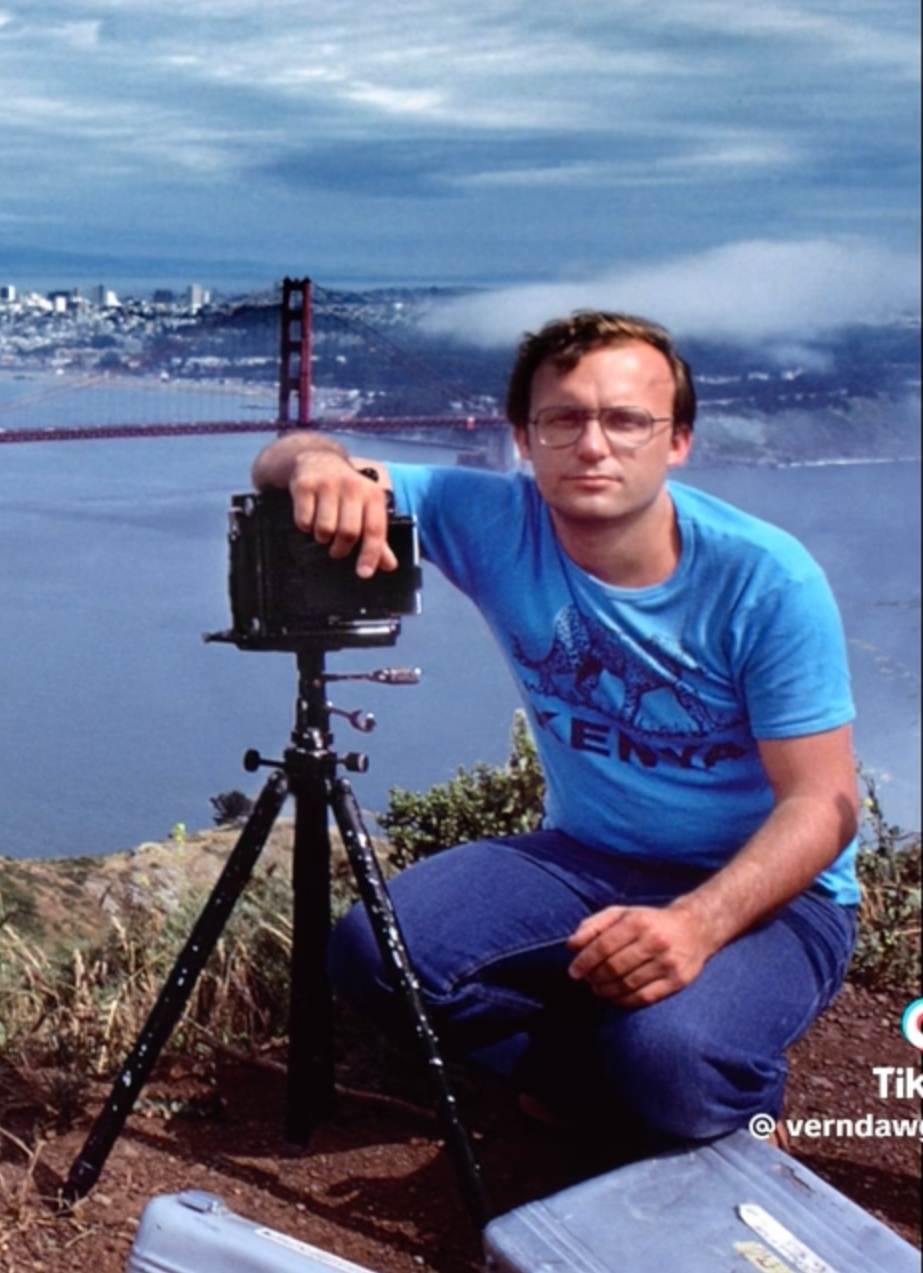
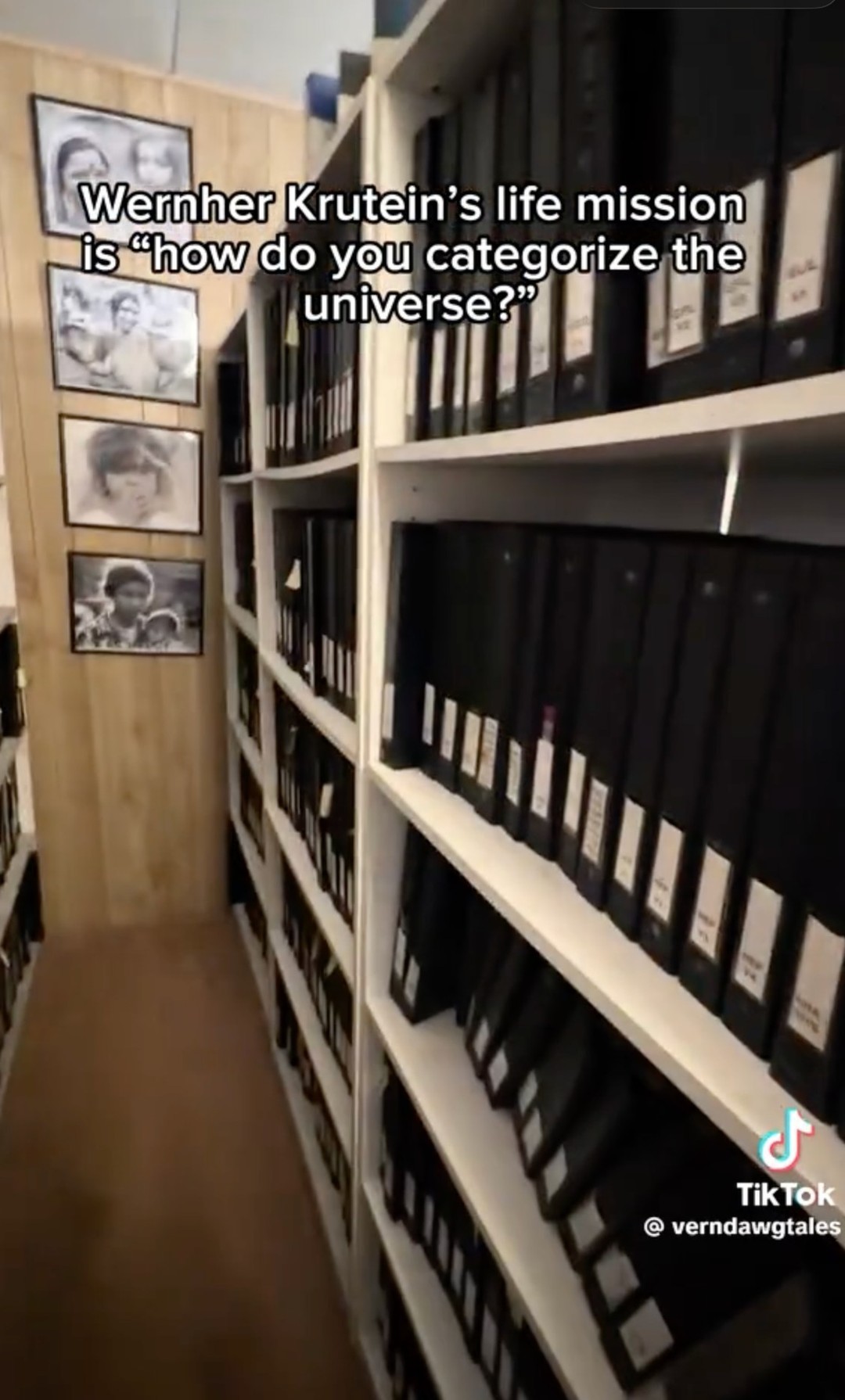
In an era dominated by digital workflows and cloud storage, the quiet, persistent work of archivists like Wernher Krutein often goes unnoticed. Yet, it is precisely this work that underpins our understanding of visual history, ensuring that the physical records of our past remain accessible. Krutein, a veteran archivist, has meticulously hand-coded approximately 500,000 photography slides into a bespoke retrieval system he terms Fluid Logic. This ingenious system allows him to locate and retrieve any physical slide within seconds, a testament to decades of dedicated labor.
The film and photography industries underwent a seismic shift over the last two decades, moving decisively from analog to digital formats. While this transition brought undeniable efficiencies, it also created a critical void in the stewardship of physical media. Analog preservation, once a standard practice, has become increasingly rare and fragile, often sustained not by well-funded institutions but by the passion and personal resources of individuals. Krutein's archive, an impressive monument to this commitment, foregrounds a larger, more troubling question about the long-term viability of such efforts.
The Precarious Future of Physical Media
The challenge extends beyond the impressive mechanics of Krutein's system. It speaks to a systemic issue within cultural preservation: when the pioneers and custodians of physical archives retire, or when their funding inevitably dwindles, who will safeguard these irreplaceable collections? Preservation is inherently unglamorous work, demanding significant financial investment and continuous effort, yet its importance is paramount. The loss of physical archives means not only the loss of images but also the loss of the contextual information, the material history, and the tangible connection to preceding generations of visual storytelling. As The Hollywood Reporter has previously detailed, the challenges of film preservation are multifaceted, encompassing everything from proper storage conditions to digitisation strategies.
Consider the delicate nature of celluloid and photographic emulsions. These materials are susceptible to environmental degradation, chemical decay, and physical damage. Without proper climate control, regular inspection, and expert handling, an archive can deteriorate rapidly. The skills required for this type of preservation, including film restoration, chemical processing, and even the manual repair of film stock, are highly specialized and increasingly scarce. Film preservationists like Martin Scorsese, through organizations like The Film Foundation, have championed the cause of celluloid preservation, but their efforts, while significant, cannot cover the vast scope of every individual collection or photography archive across the globe.
Beyond the Individual: Institutional Responsibility
The narrative of individuals like Krutein stepping in where institutions fall short is both inspiring and concerning. While their dedication is crucial, it should not be the sole bulwark against historical amnesia. The film industry, alongside photographic and broader cultural heritage organizations, has a collective responsibility to invest in robust, sustainable archival infrastructure. This includes funding for climate-controlled facilities, training for new generations of archivists, and the development of accessible digital surrogates that do not replace but complement the physical originals. The intricate systems Krutein has developed, for instance, could inspire institutional solutions, demonstrating how meticulous organization can overcome the sheer volume of analog materials. For those interested in the technical aspects of archival work, resources like The Film Preservation Handbook offer invaluable insights.
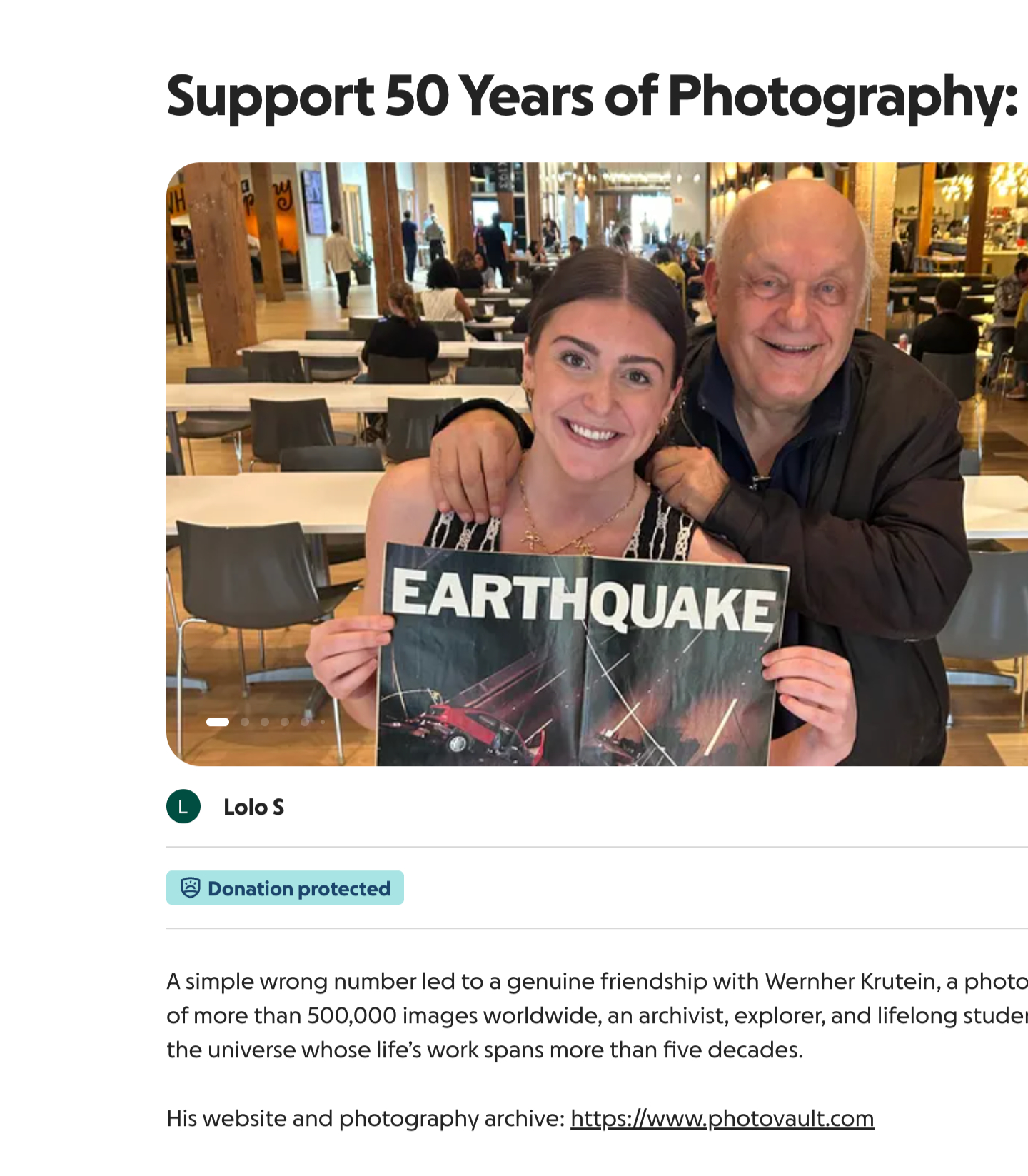
The digital age offers powerful tools for cataloging and access, but it cannot replicate the physical artifact. The texture of a silver gelatin print, the subtle color shifts of a vintage slide, or the grain of a celluloid frame carry information that digital copies, however high-resolution, can never fully convey. Krutein's work is a potent reminder that the tangible past is worth fighting for, and that its preservation requires ongoing vigilance, resources, and a collective commitment to history. Supporting initiatives that safeguard these analog treasures, such as the GoFundMe linked in the original post, becomes not just an act of charity, but a contribution to our shared cultural patrimony. It is an investment in the enduring legacy of visual art and historical documentation, ensuring that half a million slides, or any similar archive, do not simply vanish into obscurity with their caretakers.