Occupy Cinema › Exhibition
The Economics of Independent Exhibition: Building and Operating a Local Cinema
Establishing a new independent cinema, while a significant undertaking, often presents a more accessible financial profile than commonly perceived, particularly when repurposing existing structures. The ongoing operational viability, however, hinges on strategic revenue generation beyond mere ticket sales.
By Occupy Cinema ·
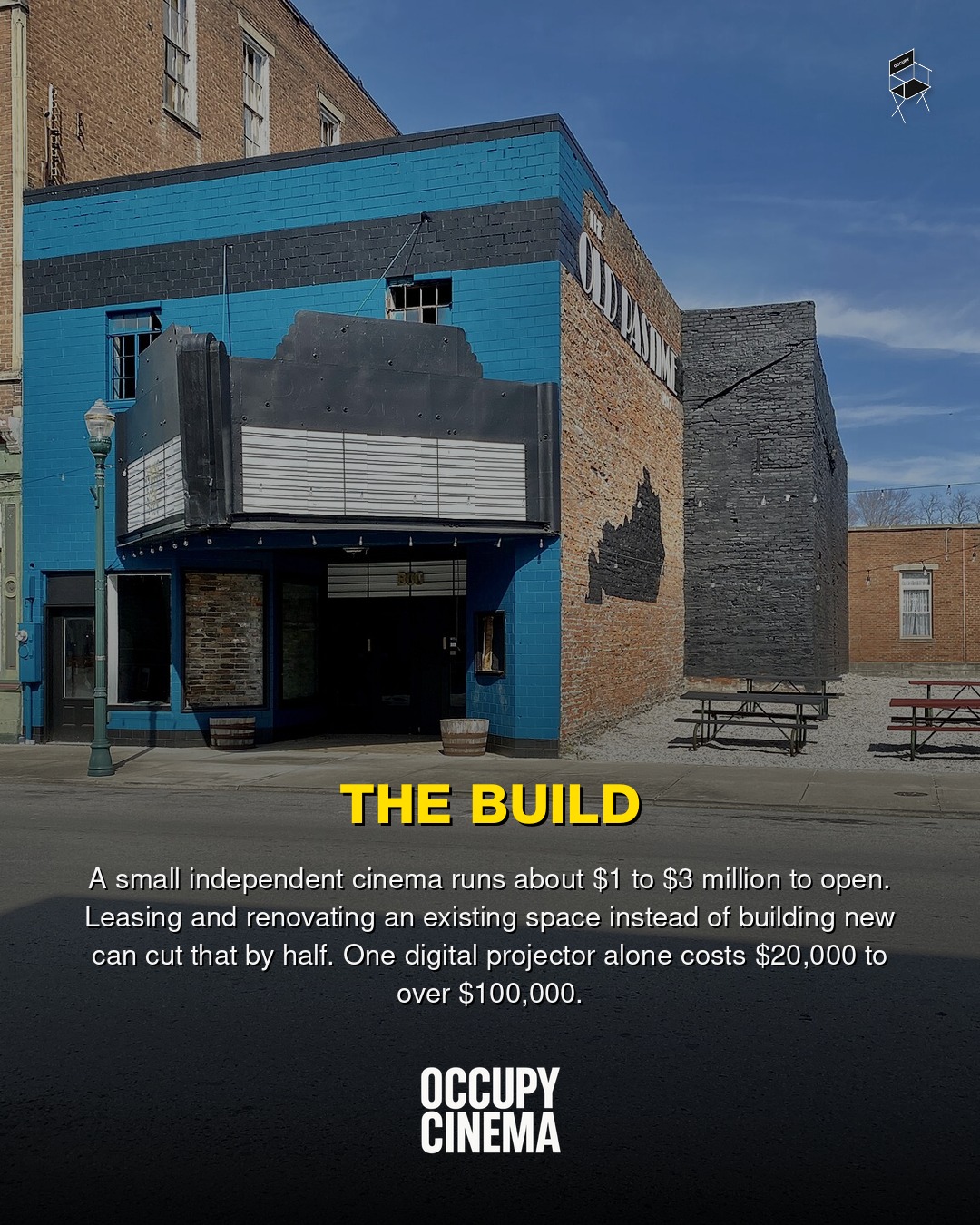
The aspiration to open a movie theater, a cornerstone of community and culture, often appears a distant dream for many. However, a closer examination of the capital expenditure involved reveals a more attainable prospect than one might initially assume. This figure can be substantially reduced, potentially by as much as 50 percent, by opting to lease and renovate an existing commercial space rather than undertaking new construction.
While the physical infrastructure and its acquisition represent a considerable outlay, specific technological components also factor significantly into the budget. A single digital cinema projector, a fundamental requirement for modern exhibition, can range in cost from $20,000 to well over $100,000, depending on its resolution, light output, and feature set. These are not consumer-grade projectors, but DCI-compliant systems designed for professional theatrical presentation. The transition from 35mm film to digital projection, while offering operational efficiencies, also introduced a substantial capital expenditure for many independent theaters.
Operational Realities and Revenue Streams
The true challenge in cinema exhibition often begins not with the grand opening, but with the day-to-day financial mechanics that follow. The revenue distribution model for theatrical releases heavily favors distributors in a film's initial weeks. During this critical period, studios typically claim the majority of ticket sales, leaving theaters with a modest 20 to 25 percent share. This split gradually adjusts in favor of the exhibitor as a film's run progresses, but the early weeks represent a significant financial hurdle for operators.
This industry structure underscores the critical importance of ancillary revenue streams, particularly concessions. With profit margins often exceeding 85 percent, the sale of popcorn, beverages, and other snacks is not merely supplementary income, but frequently the core driver of profitability for many cinemas. This economic reality means that the quality and variety of concession offerings can be just as crucial to a theater's longevity as its programming slate or projection capabilities. For more granular details on the exhibition landscape, The Hollywood Reporter often covers the financial specifics of the exhibition sector.
The Enduring Appeal of the Cinema Experience
Despite these commercial pressures, the appeal of cinema ownership, especially for an independent venue, remains strong. The opportunity to curate programming, foster a community gathering space, and directly contribute to local culture is a powerful motivator. IndieWire frequently highlights successful independent cinemas and their unique approaches, demonstrating that while the financial structure is demanding, it is certainly navigable with careful planning and a robust understanding of the business model.
The commitment required extends beyond financial investment, encompassing a deep understanding of local demographics, programming preferences, and the ever-evolving landscape of film distribution. Deadline also provides regular updates on the broader film exhibition market, including trends in attendance and technological advancements. Ultimately, establishing and maintaining a vibrant independent cinema requires a blend of capital, strategic business acumen, and a genuine passion for the cinematic experience.