Occupy Cinema › Craft
Somatic Cinema: How Matthew Libatique and Darren Aronofsky Visualized Addiction in Requiem for a Dream
Darren Aronofsky and Matthew Libatique rejected preachy narrative tropes in Requiem for a Dream, relying on body, mounted cameras and rapid editing to translate compulsion into pure visual rhythm.
By Occupy Cinema ·
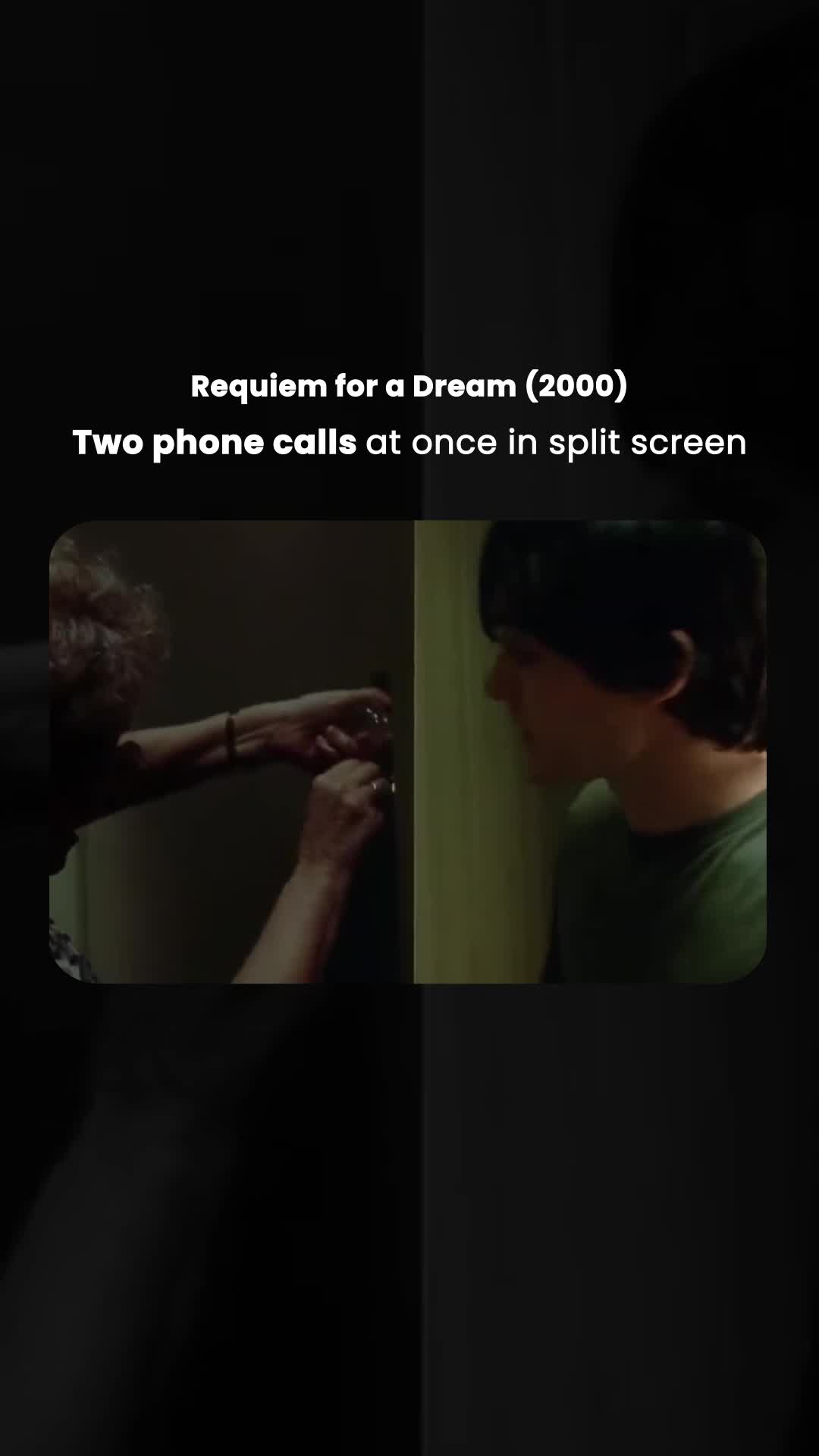
At the turn of the millennium, American independent cinema was undergoing a profound stylistic transformation, yet few titles landed with the visceral, uncompromising force of Darren Aronofsky’s Requiem for a Dream (2000). Adapted from Hubert Selby Jr.’s harrowing 1978 novel of the same name, the film rejected the conventional visual grammar of cinematic drug dramas. Rather than observing addiction through a distant, moralizing lens, Aronofsky and cinematographer Matthew Libatique constructed a hyper, sensory visual framework designed to place the audience directly inside the somatic experience of dependency. The result remains one of the most aesthetically rigorous examinations of human compulsion ever captured on celluloid.
Central to this kinetic nightmare was the technical ingenuity of Libatique, whose collaboration with Aronofsky began on their low, budget debut feature, Pi (1998). For Requiem for a Dream, the pair sought to translate physical obsession into image and rhythm. They heavily relied on a body, mounted camera apparatus known as the Snorricam. By strapping the camera directly onto the actors' bodies with a counterbalanced harness, the lens remained pointed at the performer's face at a fixed, unyielding distance. As the actors walked, ran, or staggered through their surroundings, their faces stayed immovably anchored in the center of the frame while the world behind them surged, swayed, and careened out of control.
This specific camera technique radically disrupted the traditional relationship between the viewer and the screen. In standard film language, camera movement provides spatial orientation and spatial comfort. The Snorricam, conversely, generates an intense claustrophobia and disorientation. The actor’s environment becomes a chaotic blur, mirroring the psychological isolation and loss of agency that defines serious addiction. The subject does not navigate their environment; instead, the environment aggressively moves around them while they remain locked in their own internal panic. It is a profound technical choice that converts emotional paralysis into a physical, visible truth.
The Rhythmic Syntax of Kinetic Editing
Beyond the physical mechanics of body, rigged cameras, the visual architecture of Requiem for a Dream is defined by its rapid, rhythmic editing. Working alongside editor Jay Rabinowitz, Aronofsky and Libatique developed a kinetic motif frequently described as a hip hop montage. These sequences consist of extremely brief, stylized close, ups depicting the rituals of consumption: the striking of a lighter, the boiling of liquid, the dilation of an eye, and the rush of blood through veins. These micro, shots are paired with sharp sound design and cut together at an astonishing speed, often lasting only a fraction of a second.
Rather than portraying addiction as a sequence of behavioral choices or standard narrative beats, the film structures it purely as a rhythm. The recurring montage accelerates as the characters’ habits intensify, establishing a relentless cycle of repetition and brief euphoria followed by rapid collapse. Furthermore, the directors implemented split, screen framing to accentuate the emotional gulf opening between characters. Even when Sara Goldfarb and her son Harry sit together in the same apartment, the split screen visually severs them, emphasizing that their respective obsessions have rendered genuine human connection impossible.
What ultimately secures Requiem for a Dream its enduring place in modern film history is its refusal to lecture the audience. Traditional cautionary tales rely on overt dialogue and melodramatic scolding to convey their warnings. Aronofsky and Libatique instead relied entirely on pure visual grammar and formal precision. The camera language itself communicates the overwhelming weight of dependency without ever resorting to moralizing narrative shortcuts. By substituting judgment with pure formal discipline, the film remains a masterclass in how cinematography and editing can evoke the internal realities of the human condition.
Related reading: The Technique of Film and Video Editing.