Occupy Cinema › Development
The Superbad Anomaly: Why Original Comedy Faces an Uphill Battle in Modern Hollywood
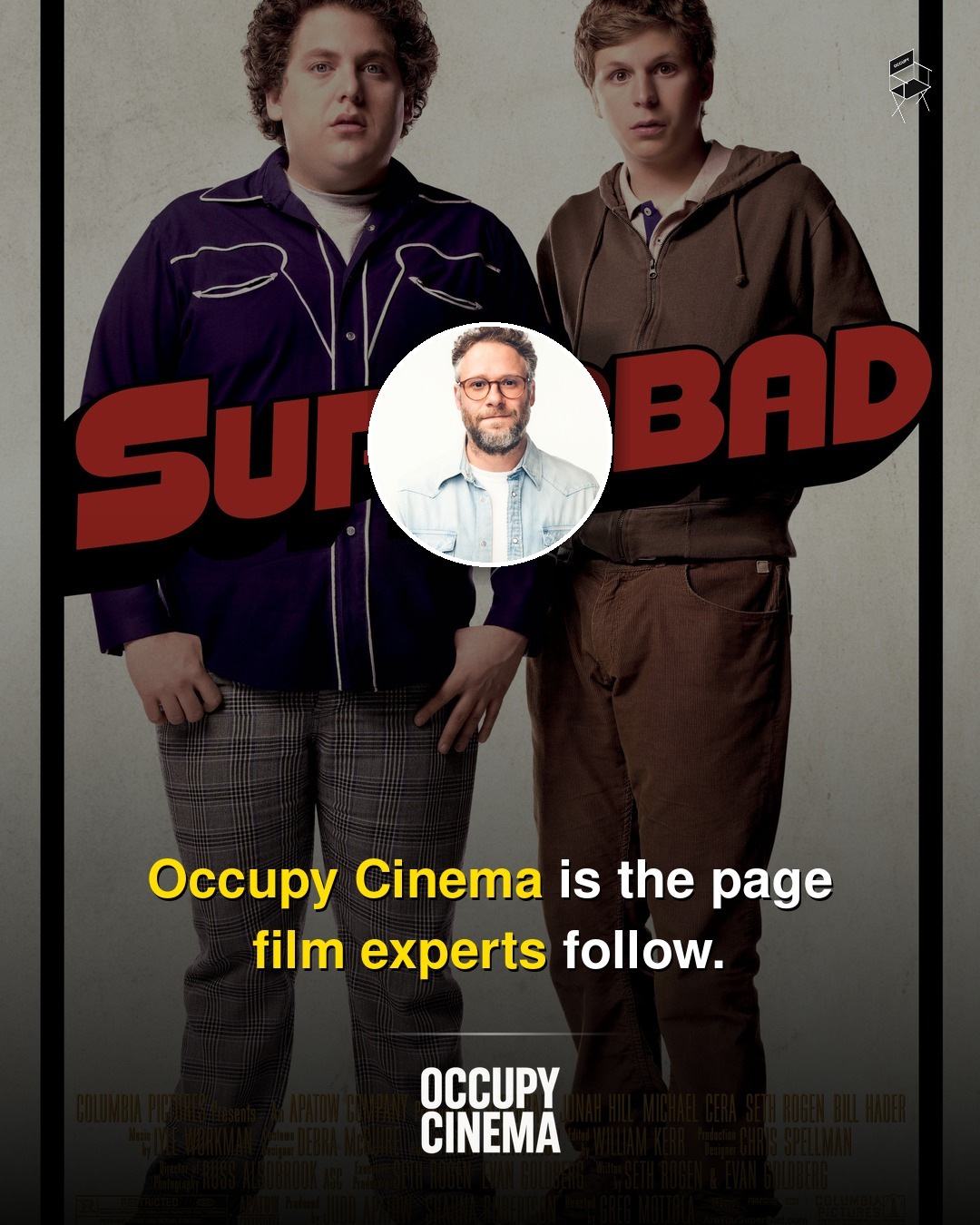
Seth Rogen's reflections on the production landscape for original comedies highlight a significant shift, suggesting that a film like Superbad, a success story from 2007, would struggle to find studio backing today.
By Occupy Cinema ·
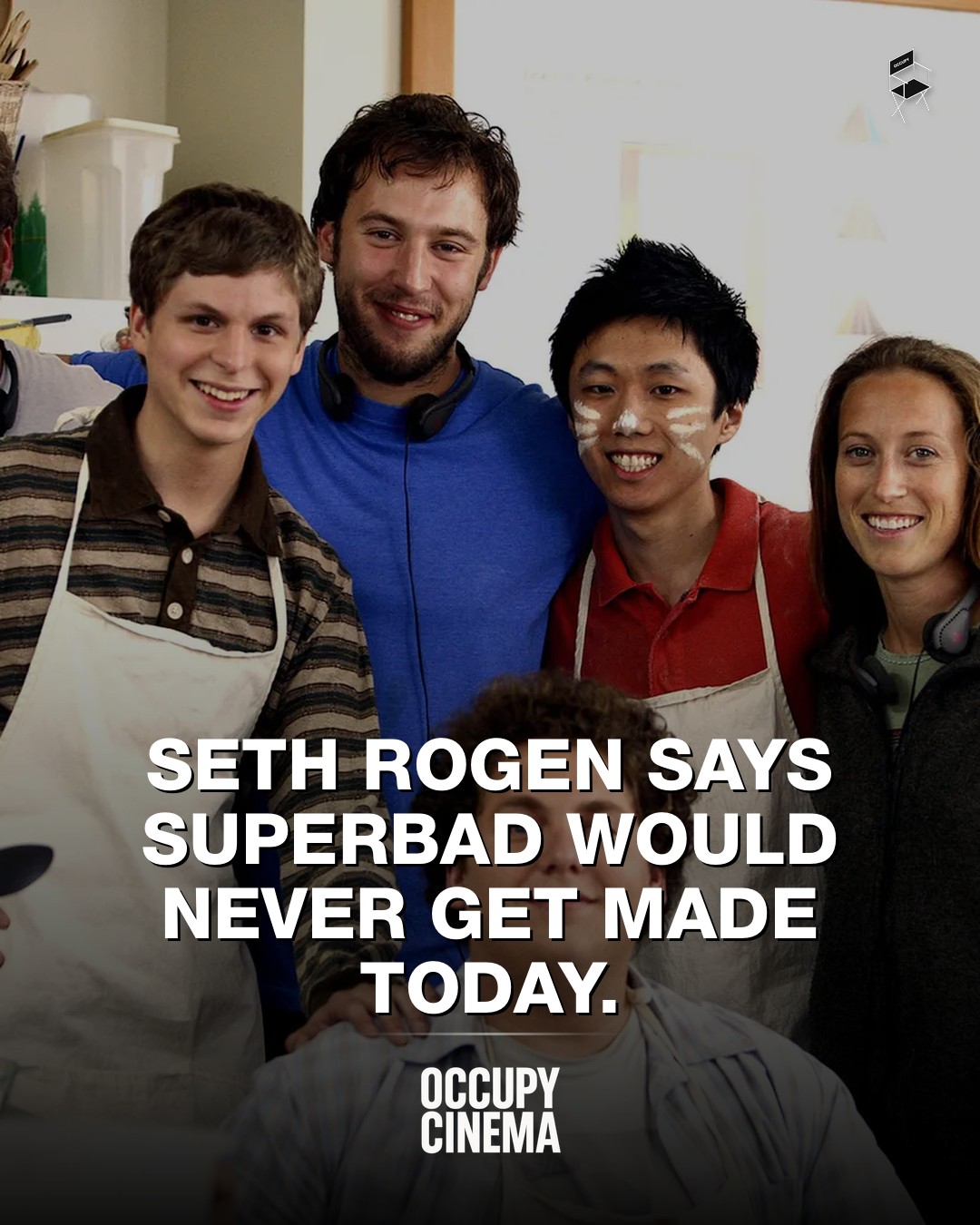
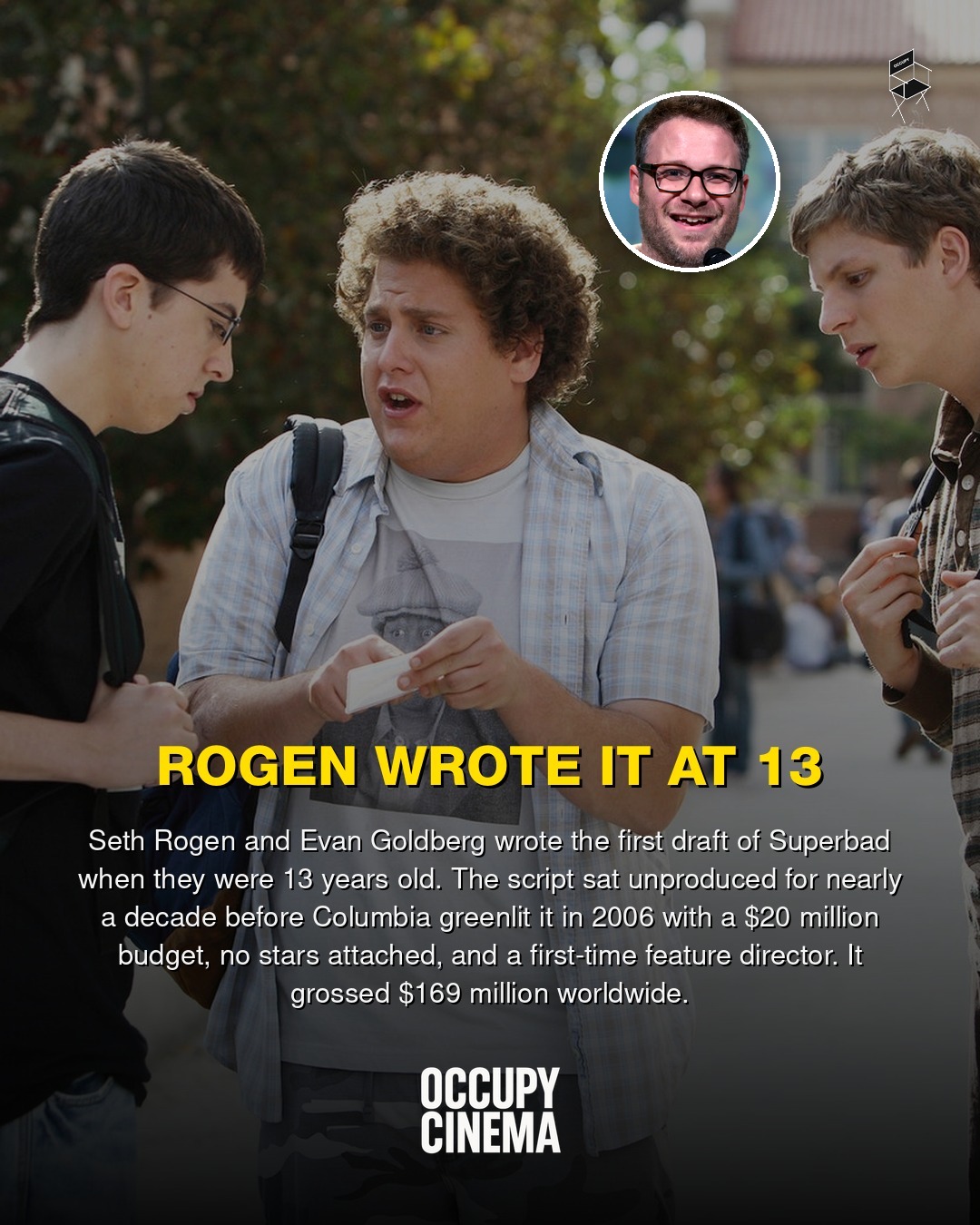
The story of Superbad, a commercially successful R-rated comedy from 2007, is often cited as an archetype for independent filmmaking success scaling to the mainstream. The initial script, penned by Seth Rogen and Evan Goldberg when they were thirteen, languished in development for an extended period. Notably, the production proceeded without established star talent attached to the cast, and with a director, Greg Mottola, whose prior feature credit was an independent film a decade earlier. This configuration, by contemporary studio standards, would be an outlier, yet Superbad
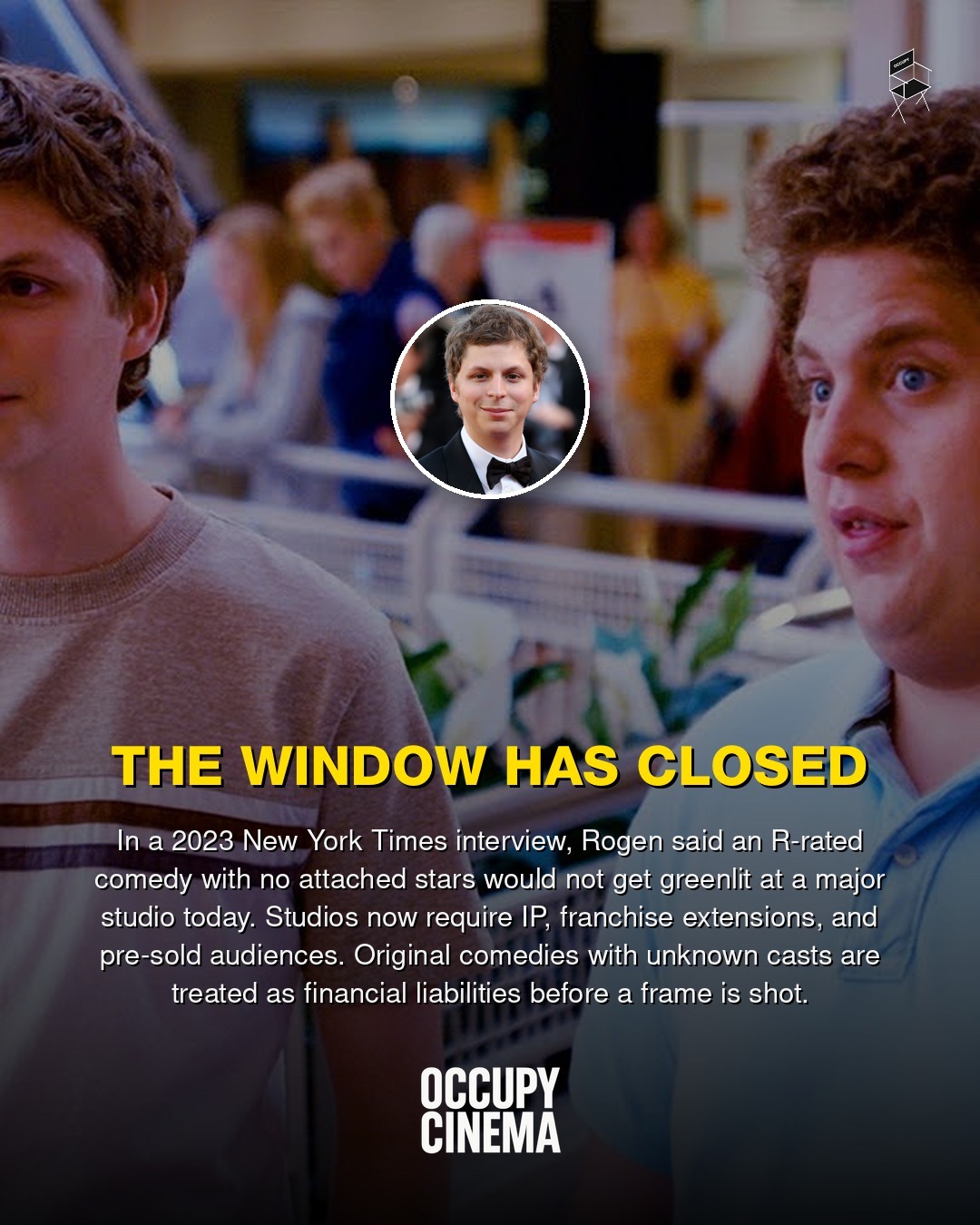
Rogen, reflecting on this trajectory in a 2023 interview with The New York Times, articulated a point of industry analysis: a similarly structured R-rated comedy, lacking pre-existing intellectual property or marquee names, would likely not secure a green light from a major studio in the current climate. This assessment underscores a fundamental shift in studio investment strategy, prioritizing established brand recognition over original concepts, particularly in the comedy genre.
The Shifting Calculus of Studio Greenlights
Modern studio decision-making increasingly favors projects that are either extensions of existing franchises, adaptations of well-known intellectual property, or those featuring bankable, pre-sold talent. The perceived risk associated with original content, especially in comedy, has evidently escalated. This paradigm contrasts sharply with the conditions that allowed Superbad to proceed, where the screenplay's strength and perceived commercial viability, rather than external factors, were sufficient to warrant investment. The film's success, achieved with a relatively modest budget and an unproven cast, exemplifies a model that appears to be less viable in the current industry framework.
The implications of this trend extend beyond individual project viability. It suggests a potential narrowing of artistic output, where the emphasis on commercial predictability may inadvertently stifle innovation and the development of new comedic voices. Films like Superbad, which succeeded by delivering a fresh, relatable narrative with a cast of then-emerging talents, represent a type of creative and financial return that studios seem increasingly hesitant to pursue. The long-term consequences for the comedy genre, and for original filmmaking generally, remain a subject of ongoing industry discussion and concern. One can observe this trend across various production houses, impacting what gets made and, by extension, what audiences ultimately see. For more on this, Variety has covered Rogen's comments, and The Hollywood Reporter has also explored the topic of original comedies in the current studio environment. The shift towards IP-driven content is not exclusive to comedy; it is a broader industry trend, as detailed by IndieWire's analysis of the changing landscape for original films.
The Economic Imperatives and Creative Compromises
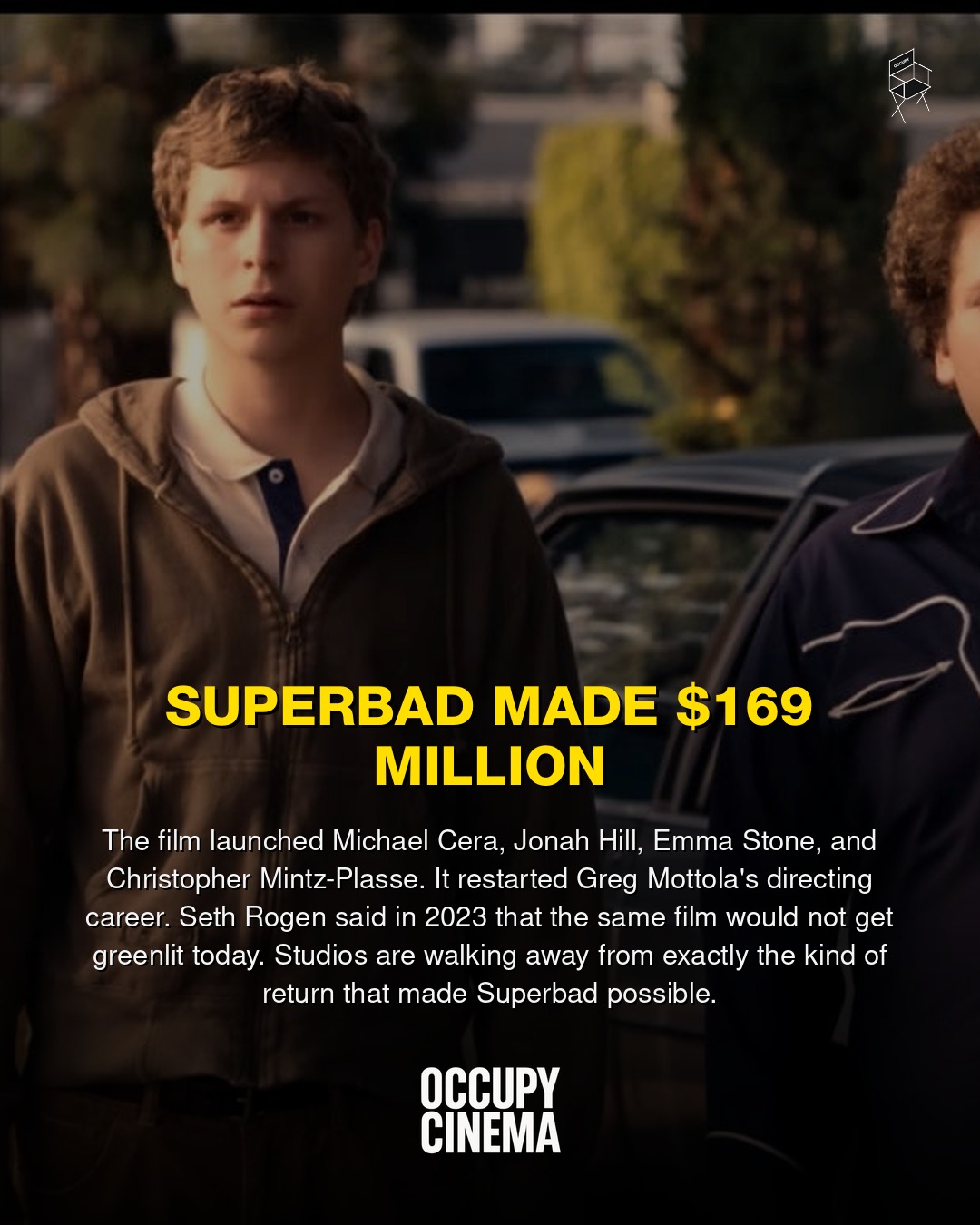
The economic imperative driving studios towards established IP is clear: it mitigates risk in a highly competitive and costly market. However, this approach inherently limits the potential for discovery, both in terms of new stories and new talent. Films like Superbad, which introduced actors such as Jonah Hill and Michael Cera to wider audiences, exemplify the benefits of investing in original concepts and unproven talent. The screenplay for Superbad, crafted by Rogen and Goldberg, demonstrated that compelling narratives, even without a pre-existing fan base, can achieve significant commercial success and cultural resonance. The current hesitation to back similar projects reflects a cautious, perhaps overly conservative, approach to cinematic production, one that may ultimately sacrifice long-term cultural impact for short-term financial predictability.