Occupy Cinema › Development
Seth Rogen: Studios Kill Originality With Risk Aversion
Seth Rogen argues that modern Hollywood's risk-averse strategies prevent original films like 'Superbad' from being made. He highlights a shift from creative trust to star-driven, safe packaging.
By Occupy Cinema ·
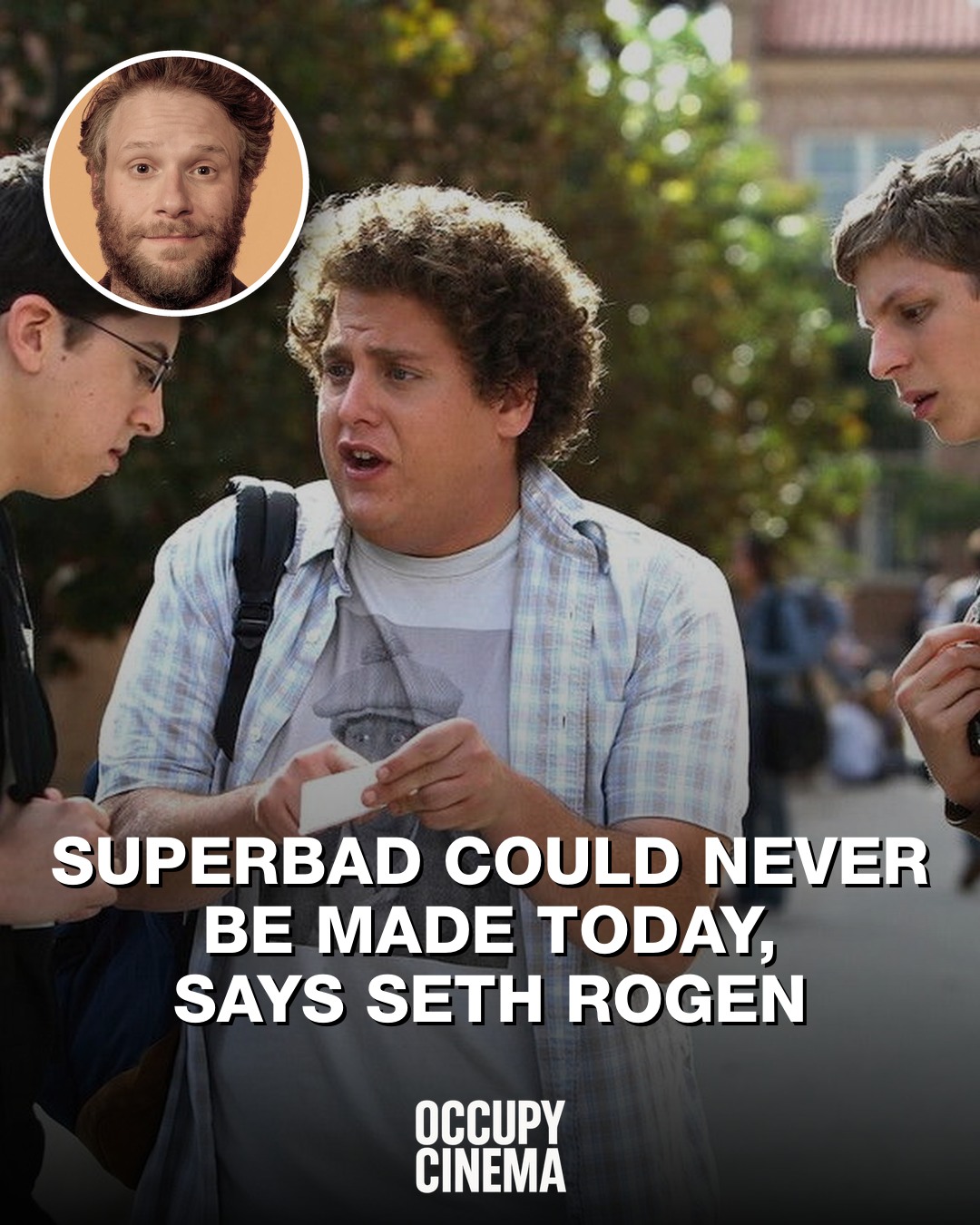
Actor and producer Seth Rogen recently dropped a truth bomb on The Interview podcast. He stated that a film like 2007's Superbad would not get greenlit today. This is not about changing comedic tastes. It is about a fundamental shift in how Hollywood operates.
Rogen's point is clear: the system is broken. In the past, a studio would buy a script, allocate a budget, and set a release date. This all happened before a single actor was attached. That level of trust, Rogen contends, is long gone. Now, nothing moves forward until bankable stars are secured. The entire package must look safe. This risk aversion, he argues, is precisely what drives the industry toward a continuous stream of remakes and sequels. It is a grim outlook for original content.
The Diminishing Returns of Safety
The numbers do not lie. While studios chase safe bets, audiences are growing weary. The box office has seen increasingly mixed results for franchise entries. Original films, when they do break through, often exceed expectations precisely because they offer something fresh. Yet, the industry remains locked in this cycle of fear. Executives are terrified of losing money on an unknown quantity. They prefer the illusion of safety, even if it leads to creative stagnation and ultimately, audience apathy.
Consider the production of Superbad. It was a project born from a gamble. A script from young writers, a relatively unknown cast for its leads. This was a studio investing in story and potential, not pre-sold celebrity. It launched careers. It became a cultural touchstone. Rogen views it as proof of what Hollywood has lost.
The Package Deal Problem
Today's climate demands a fully assembled package. This means a script, a director, and often, lead actors already attached. This process favors established talent and proven formulas. It leaves little room for emerging voices or unconventional ideas. The cost of entry for original content has soared. It is a short-sighted strategy driven by quarterly earnings calls and nervous shareholders.
This dynamic impacts everything. From the types of scripts being bought to the budgets allocated, the shadow of risk aversion looms large. Independent filmmakers struggle even more to secure financing. Distributors are hesitant to pick up films without a clear marketing hook. Even for materials like camera gear, like a ARRI Alexa Mini LF or a set of Zeiss Supreme Primes, production financing is tighter. The industry is effectively bottlenecking itself. It is not about whether good ideas exist. They do. It is about whether those ideas can navigate the minefield of corporate caution. Rogen's assessment is a stark reminder of the creative cost of this financial conservatism. The industry needs to rethink its approach, or face a future devoid of genuine innovation.