Occupy Cinema › Business
Palmira C. Muñiz Deconstructs the "Strong Black Woman" Trope in 'Winnie & Jenay'
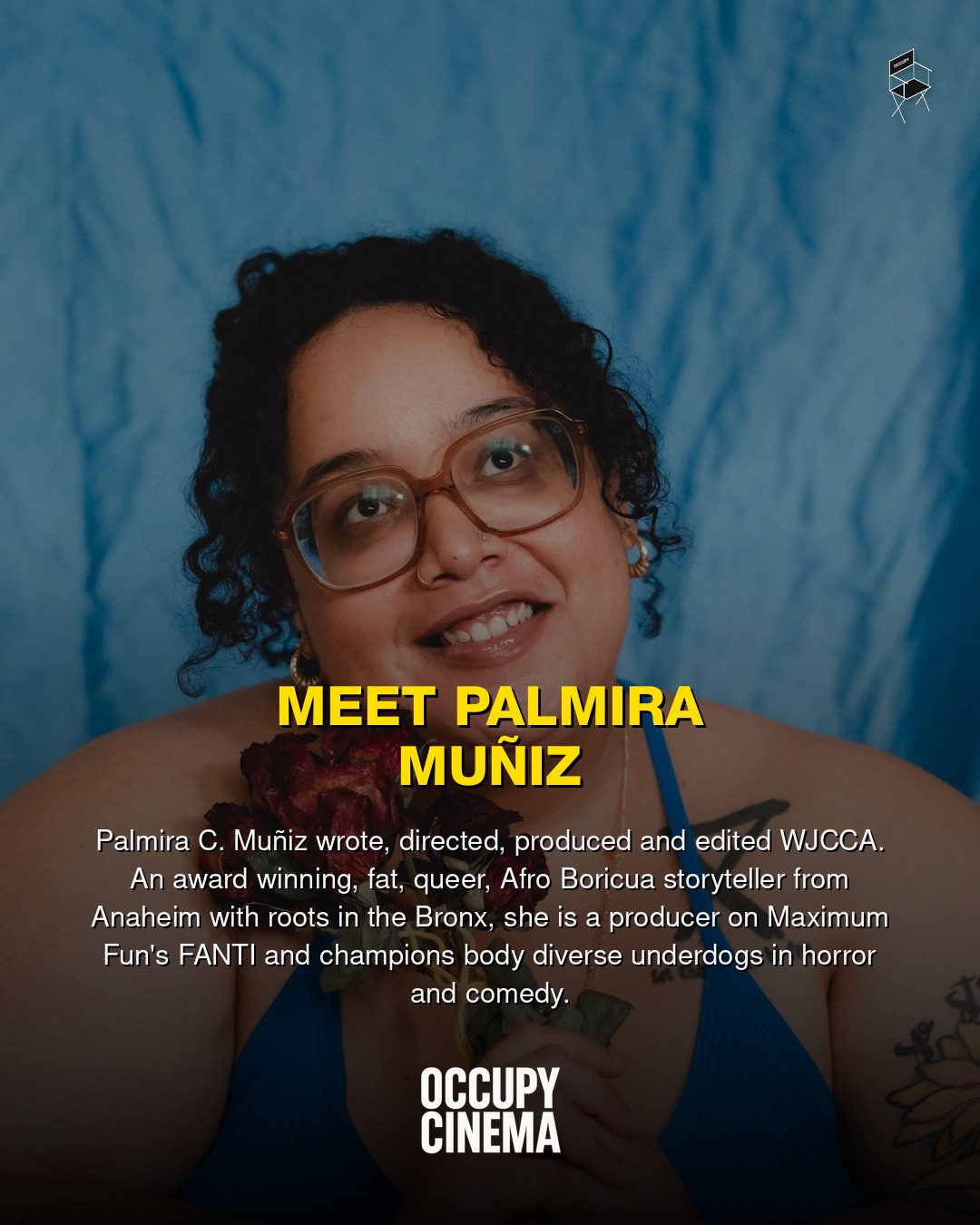
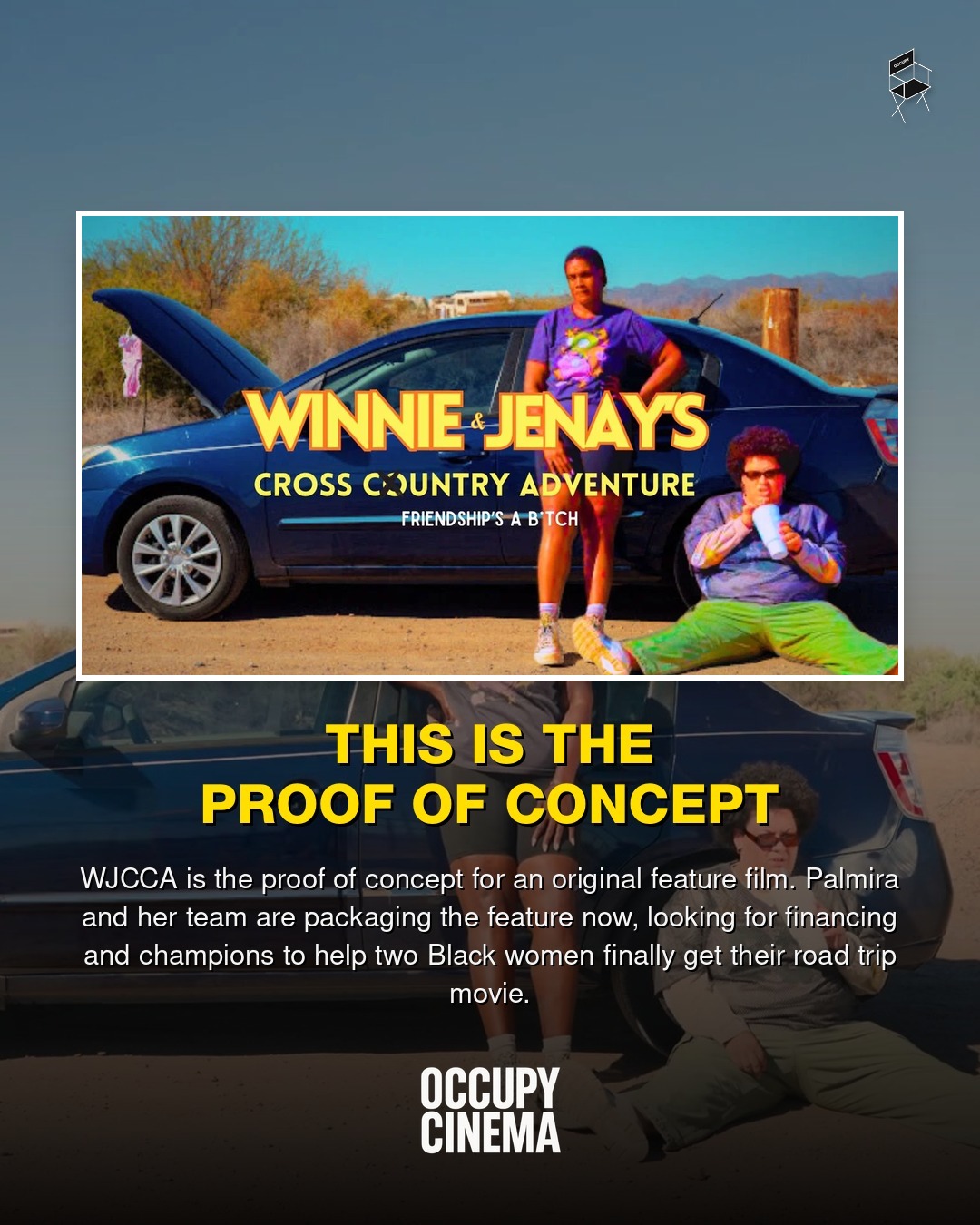
Writer-director Palmira C. Muñiz explores a different facet of Black female identity with her proof of concept short, 'Winnie & Jenay's Cross Country Adventure,' a raunchy road trip comedy.
By Occupy Cinema ·
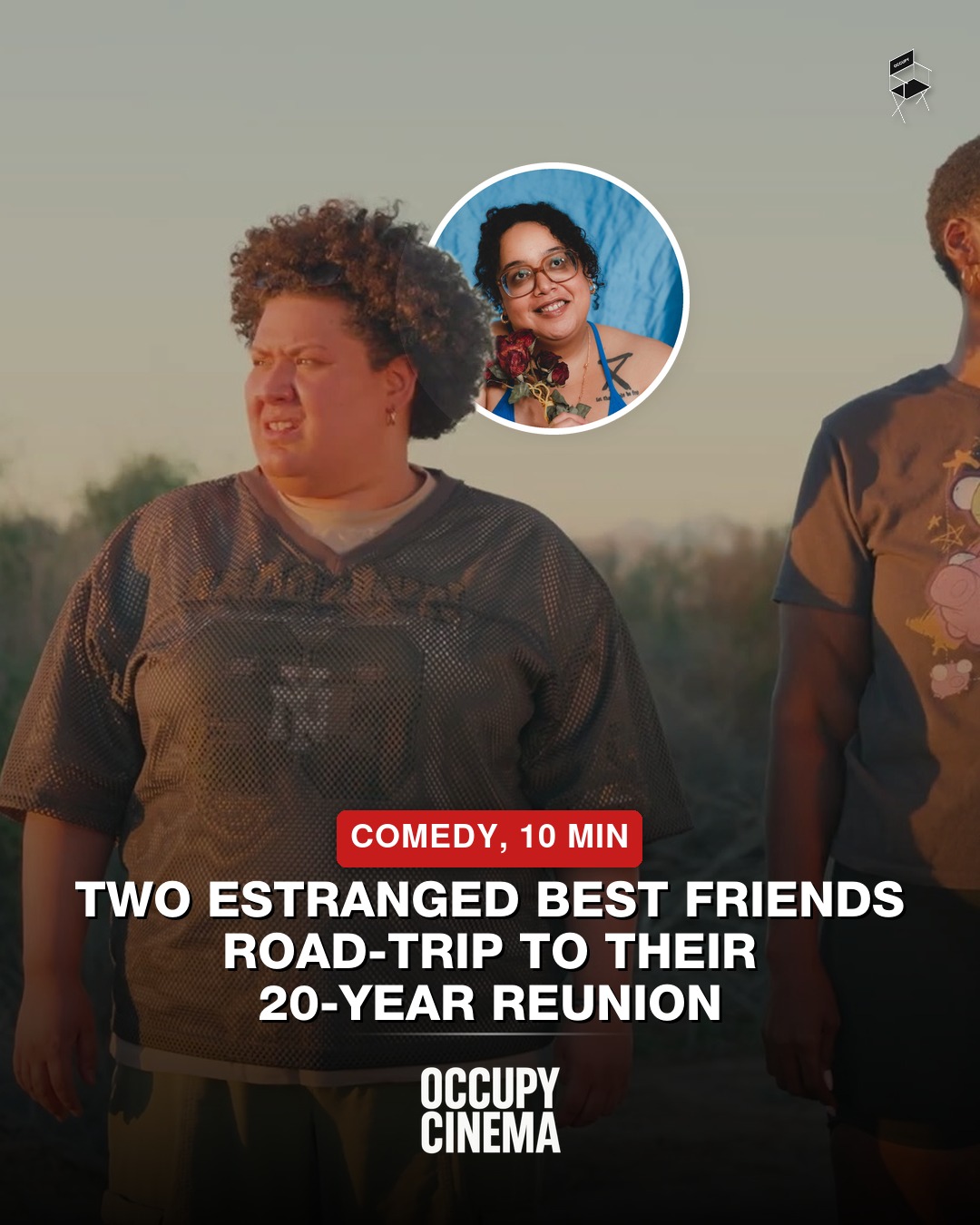
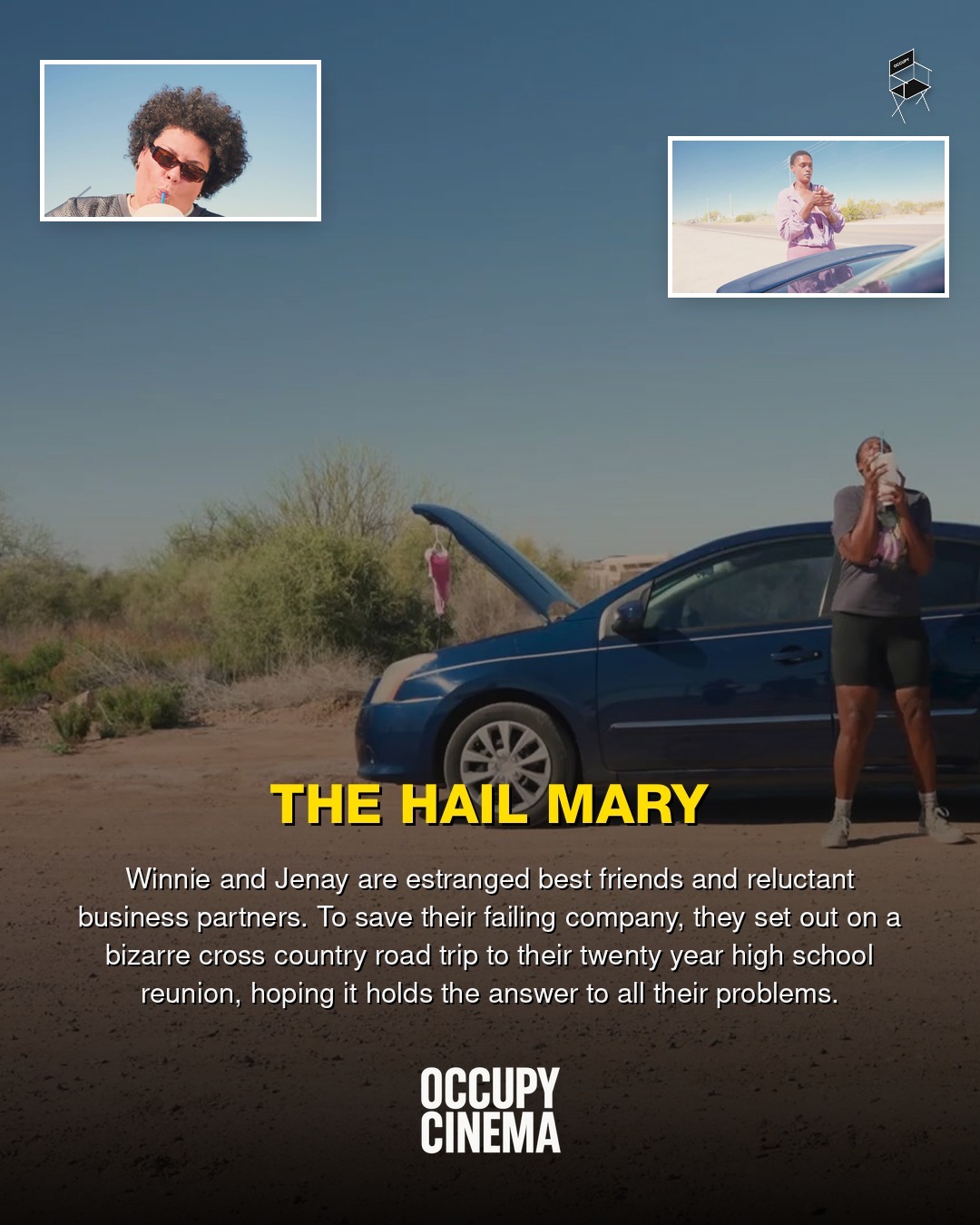
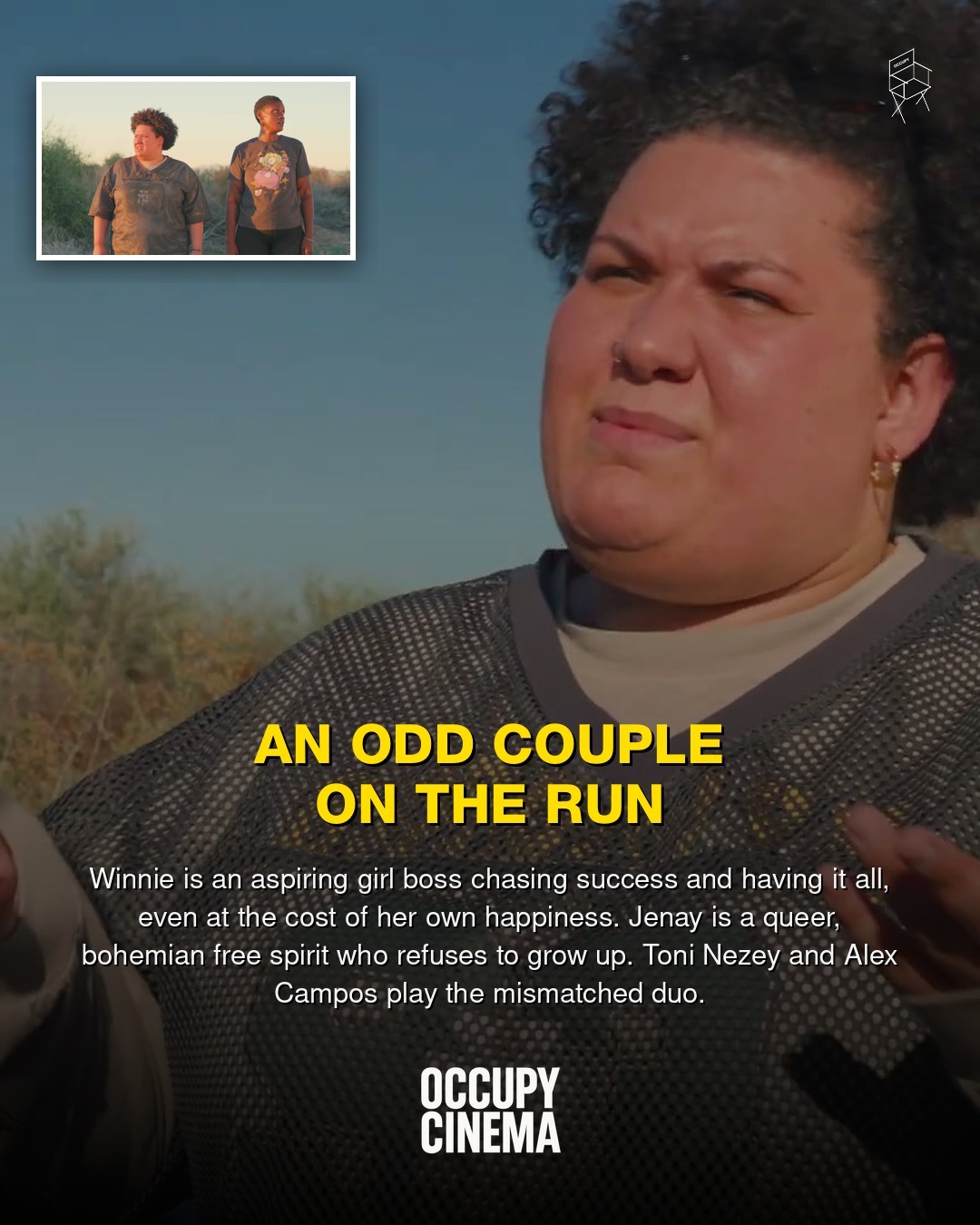
Emerging from Arizona's independent filmmaking scene, director Palmira C. Muñiz has delivered a proof of concept short, Winnie & Jenay's Cross Country Adventure, aiming to subvert established tropes. This project, which recently landed in our inbox, introduces Toni Nezey and Alex Campos as the titular characters, two estranged best friends and reluctant business partners embarking on a peculiar road trip. Their destination, a twenty year high school reunion, serves as a final effort to salvage a failing enterprise, charting a course that promises both raunchy humor and genuine emotional depth.
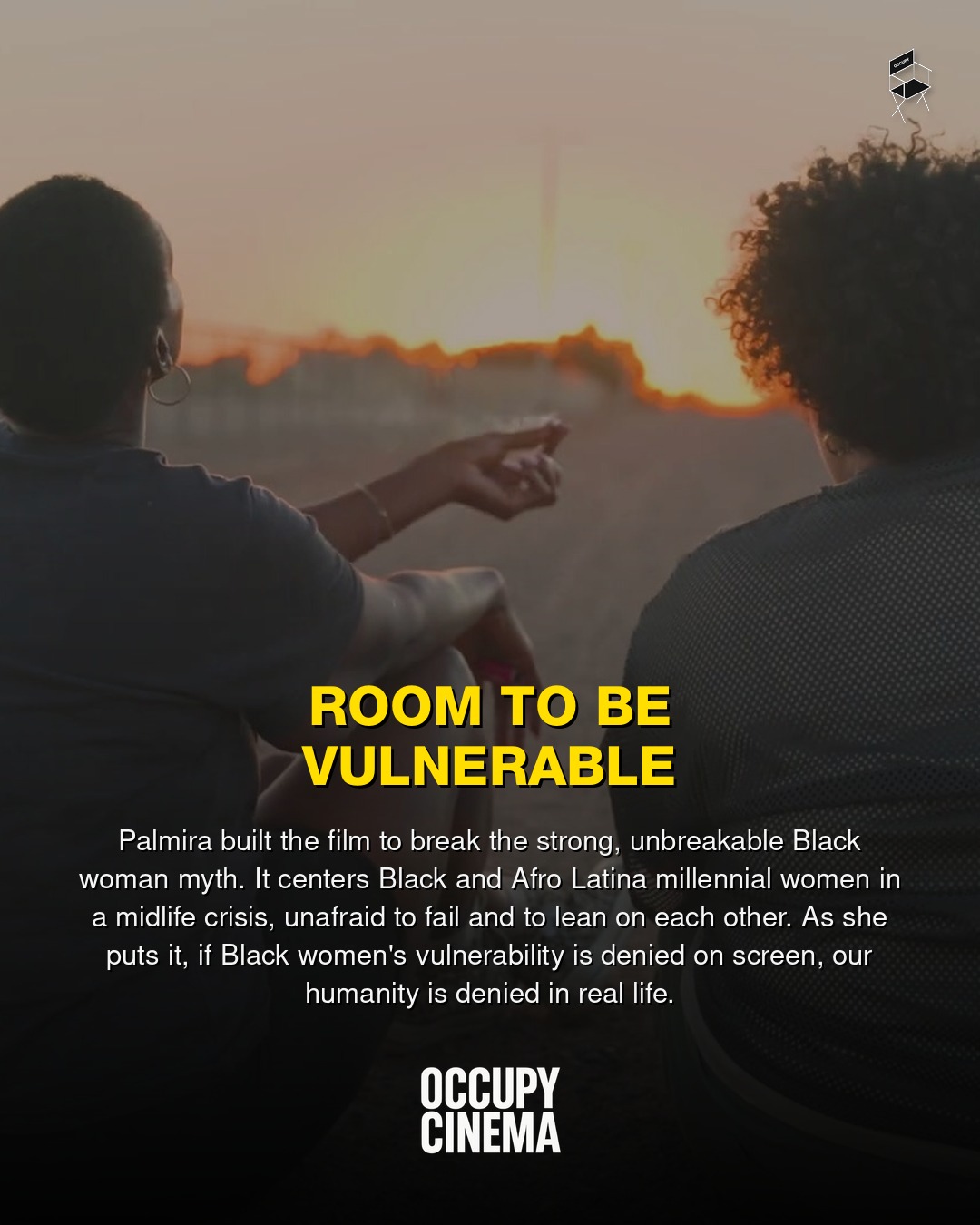
Muñiz's vision for Winnie & Jenay is to challenge the prevailing narrative of the "strong, unbreakable Black woman" on screen. This intentional departure from a pervasive archetype underpins the film's thematic core. The director states, "If Black women's vulnerability is denied on screen, our humanity will continue to be denied in real life." This statement articulates a critical perspective on representation, advocating for a broader spectrum of emotional complexity for Black female characters in cinema. The short, sponsored by the Arizona Commission on the Arts, functions as a narrative and tonal blueprint for a planned feature film, currently in the packaging phase.
DIY Production and Cinematographic Approach
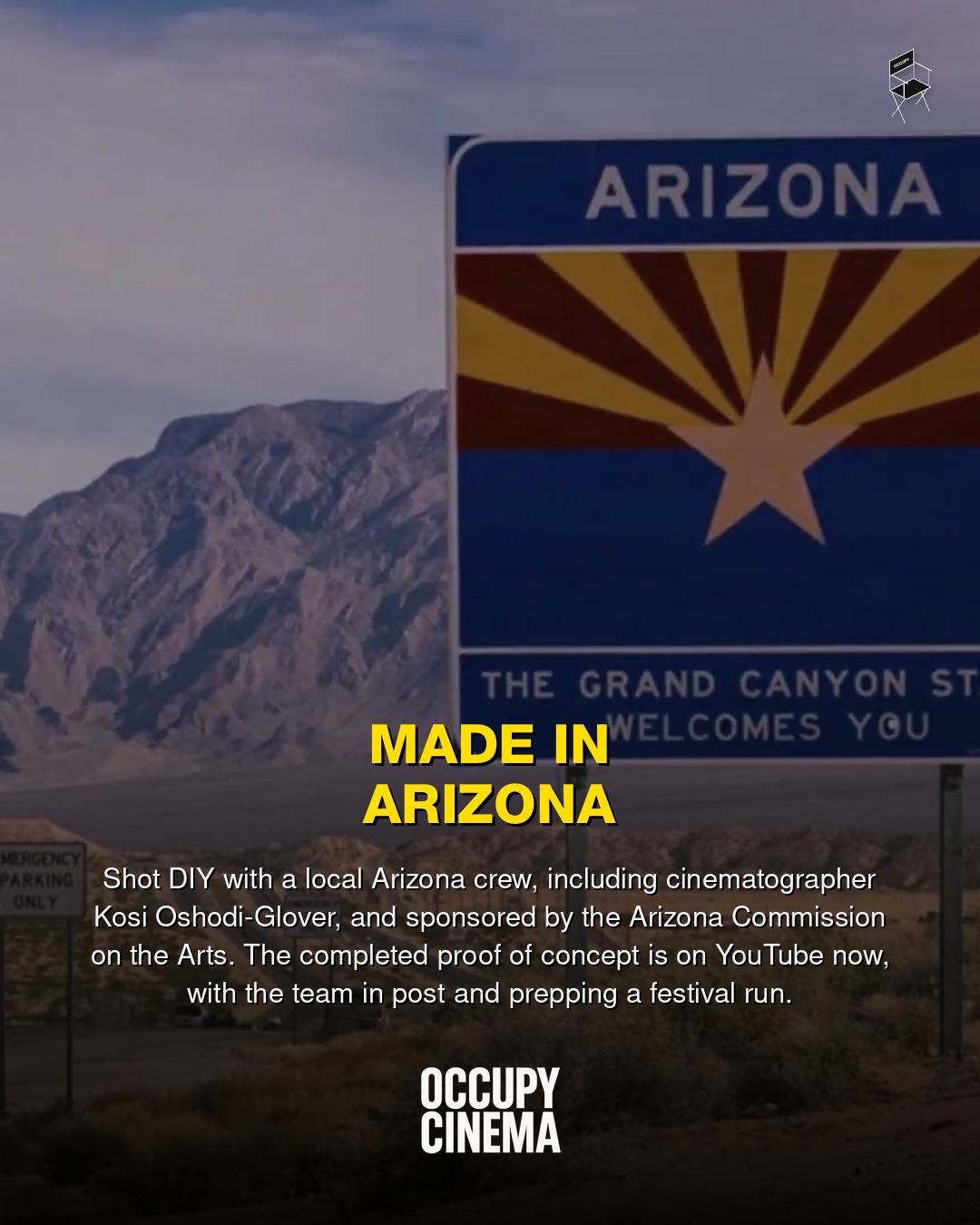
The production of Winnie & Jenay's Cross Country Adventure exemplifies a resourceful, independent filmmaking ethos. Shot with a local Arizona crew, the project utilized a DIY approach, a common strategy for proof of concept shorts. Cinematography was handled by Kosi Oshodi-Glover, who would have navigated the challenges inherent in such productions, likely balancing aesthetic ambition with practical limitations. While specific camera or lens packages were not detailed, independent projects often employ accessible, high-performance digital cinema cameras such as the Blackmagic Pocket Cinema Camera series or various mirrorless systems, paired with versatile prime or zoom lenses to achieve a cinematic look without extensive budgets.
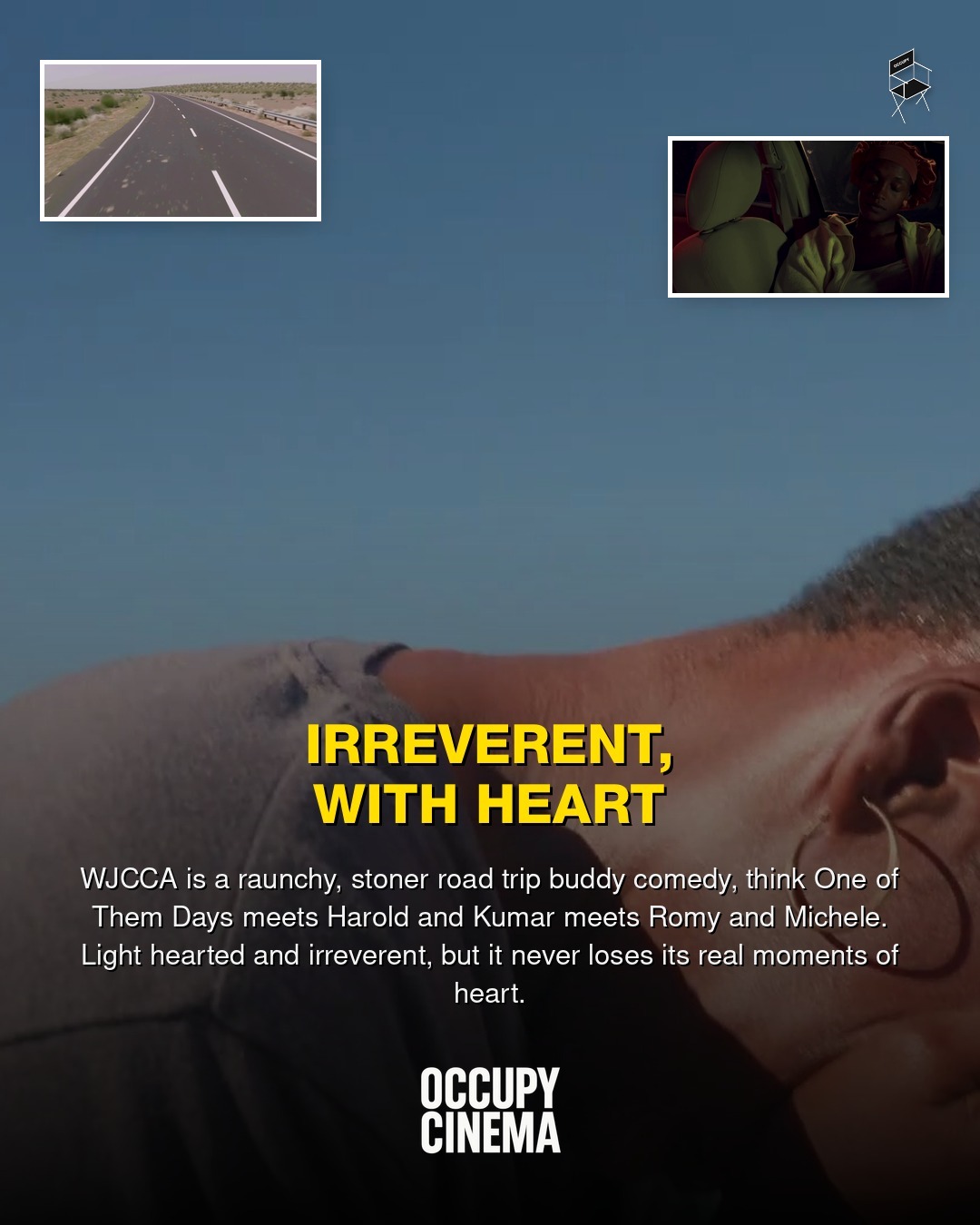
The film's comedic tone, described as a blend of One of Them Days, Harold and Kumar, and Romy and Michele, suggests a specific visual language. Road trip comedies often employ wider lenses for expansive landscape shots and medium close-ups for character interactions within confined vehicle spaces. Dynamic camera movements, even with limited equipment, can be achieved through judicious use of gimbals or car rigs, enhancing the sense of journey and comedic timing. The choice of aspect ratio, whether a traditional 1.85:1 or a wider 2.39:1, would also contribute to the film's overall aesthetic, influencing how the Arizona landscape and character dynamics are framed.
Thematic Resonance and Future Prospects
Muñiz's decision to center on vulnerability and relatable struggles, rather than an idealized strength, resonates with contemporary discussions around authentic representation. This approach seeks to provide a more complete and therefore more human portrayal of Black women on screen. As an independent filmmaker, Muñiz's work contributes to a growing body of cinema that prioritizes diverse narratives and challenges conventional portrayals. For more on independent filmmaking and the impact of diverse voices, see reports from IndieWire or The Hollywood Reporter.
The success of this proof of concept will likely hinge on its ability to effectively convey both its comedic potential and its underlying thematic message. As the team moves forward with packaging the feature, the short film will serve as a crucial demonstration of their vision, artistic capabilities, and the market viability of a film that dares to explore a different kind of strength. The independent film circuit and festivals often provide the initial platform for such projects to gain momentum and attract necessary financing for feature-length development. We anticipate further developments in this project's journey.