Occupy Cinema › Business
The Framing of a Future: DGA's New Deal and the Craft of Directing
A tremor runs through the industry as the Directors Guild of America ratifies a four-year agreement, seeking to redefine the very act of directing television and safeguard its members' livelihoods.
By Occupy Cinema ·
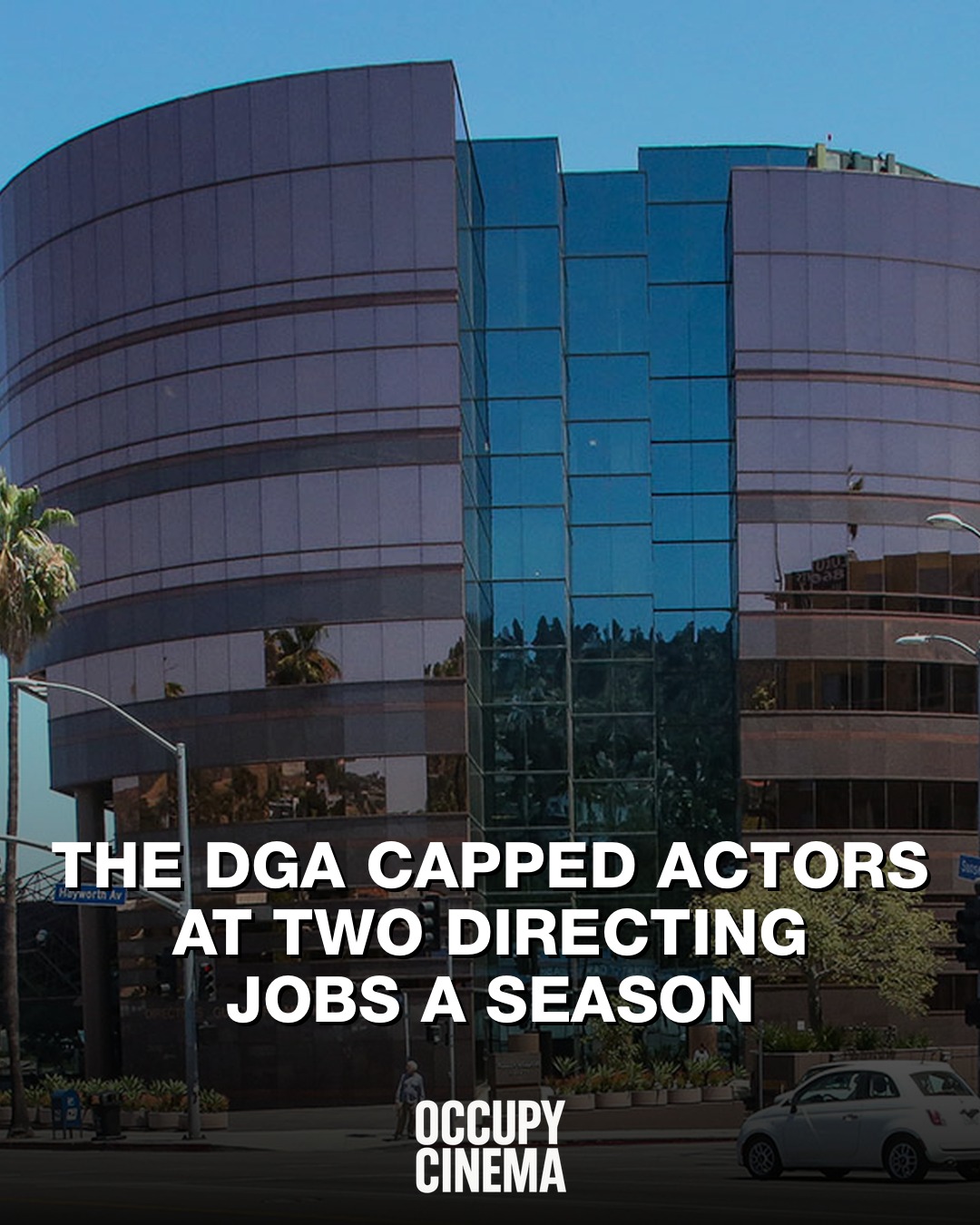
The silver light of a studio monitor, usually a beacon of creative possibility, now casts a long shadow over the careers of many. This is the landscape the Directors Guild of America, the DGA, aims to reshape with its newly ratified four-year collective bargaining agreement. It is a deal that, at its heart, attempts to draw a clearer boundary around the sacred space of the director's chair, especially within the burgeoning world of television.
At the core of this agreement is a significant cap: actors and other non-directors can now helm no more than two television episodes per season, a number that shrinks further to just one episode for shows with fewer than eight installments. This provision, however, carves out an exemption for showrunners and writer-executives, acknowledging perhaps the multi-hyphenate nature of creation at the apex of a series. The DGA frames this as a necessary defense, a bulwark against a stark reality: a reported 40 percent collapse in television directing slots, leaving many of its 19,500 members adrift in a competitive sea.
The Director's Gaze
Supporters of the new deal speak of protecting the dedicated craft of directing, a distinct and vital art often overshadowed when marquee actors, their names already luminous, step behind the camera. There is a quiet but firm belief that directing is not merely an extension of performance or writing, but a unique discipline, requiring a specific vision and sustained focus. The argument is that career directors, those whose primary identity and pursuit is the meticulous orchestration of a narrative through images, have been unfairly squeezed out of opportunities. This agreement, then, seeks to reclaim that space, to ensure the director’s gaze, honed over years, remains central. For a deeper dive into guild negotiations, Variety has offered extensive coverage of the DGA's efforts.
Yet, the deal is not without its questioners. Some voices within the industry ponder the fairness of a guild dictating who can and cannot direct, suggesting it might stifle emerging talent or limit creative cross-pollination. The lines between roles in filmmaking are often fluid, and the idea of a strict demarcation can feel antithetical to the collaborative spirit that many international auteurs, from Agnès Varda to Wong Kar-wai, have embraced throughout their careers. These concerns are valid, pointing to the delicate balance between protection and opportunity.
Beyond the Cap
Beyond the episode cap, the DGA's agreement, ratified in June 2026, also ventured into the uncharted territories of artificial intelligence. It secured protections for its members regarding the use of AI in filmmaking, a nascent but rapidly evolving front in industry negotiations. This foresight reflects a broader understanding that the creative landscape is shifting not just economically, but technologically. Furthermore, the deal brought gains in health plan benefits, a crucial element for any union, ensuring the well-being of its members. The full scope of these protections and benefits will undoubtedly be scrutinized as the industry continues to evolve, and outlets like Deadline have detailed the AI clauses extensively.
The DGA's new agreement is more than just a set of rules, it is a statement, a declaration of the guild's commitment to its members and to the enduring value of the directorial craft. It is a reminder that behind every frame, behind every flickering image on screen, there is a singular vision at play, a meticulous orchestration of light, performance, and narrative. And perhaps, it is an invitation to consider what it truly means to direct, in an age where the boundaries of creation are constantly being redrawn.