Occupy Cinema › Exhibition
The True Cost of Blockbusters and the Rise of Low-Budget Originals
A $150 million tentpole film represents more than just its production budget. It signifies a market reality where marketing spend and screen saturation push out independent cinema, but low-budget hits are proving counter-programming works.
By Occupy Cinema ·
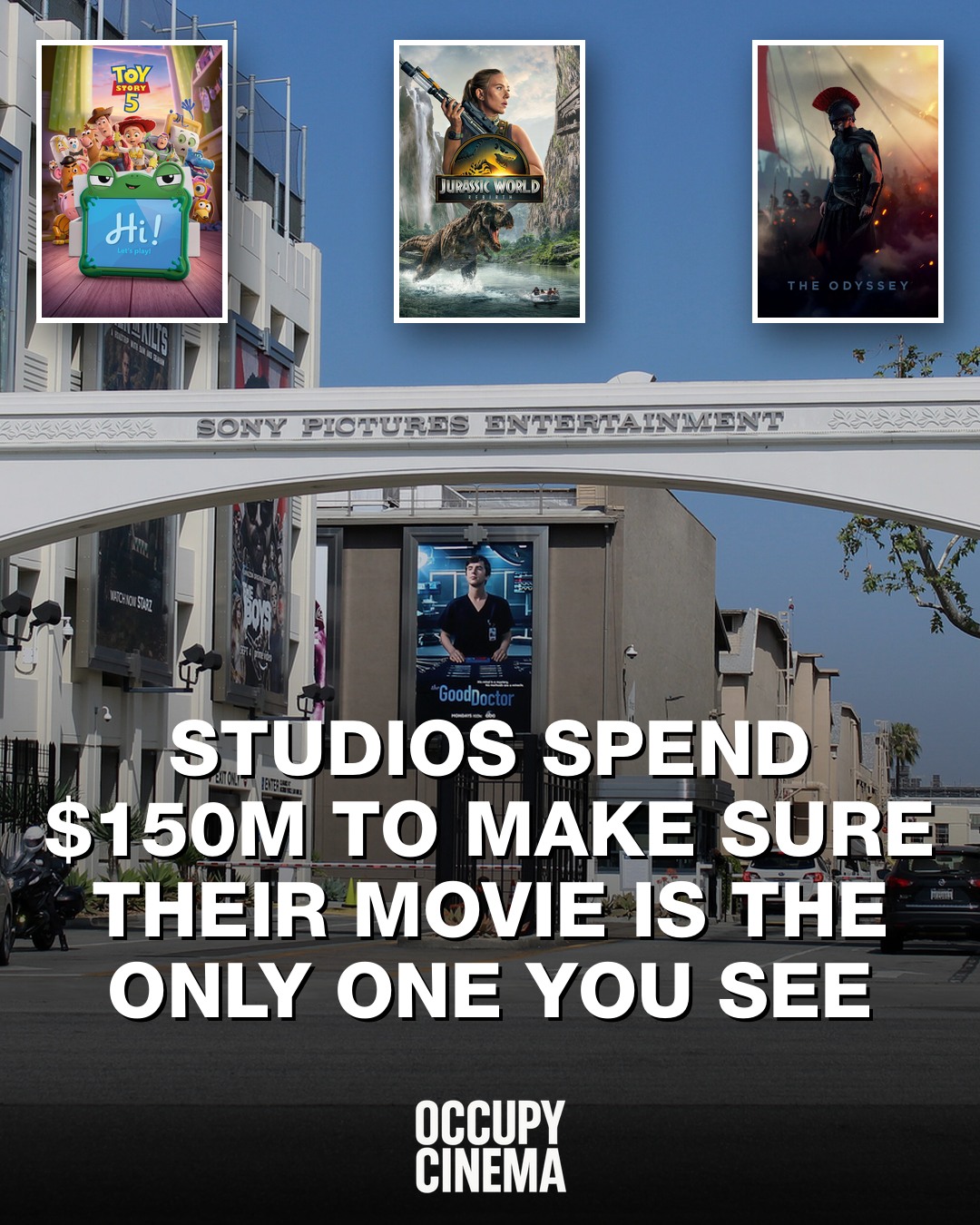
Hollywood loves a big number. But that figure is just the start. The true cost of a tentpole film, and its impact on the industry, goes far beyond what appears on a balance sheet. Then there is the sheer screen count. These films dominate multiplexes, especially outside major metropolitan areas. This strategy effectively crowds out everything else.
For audiences in smaller markets, cinematic choice is an illusion. They see the same handful of studio releases, leaving little room for diverse storytelling. This narrow pipeline means that only the narratives backed by the biggest budgets and marketing machines reach the widest audience. It is a system designed to consolidate power and minimize risk for major studios like Warner Bros. and Universal. But this model has its critics, and the data supports a different approach.
The Indie Uprising
The counter-argument to this tentpole dominance is playing out in real-time. We are seeing a surge of low-budget originals breaking through the noise. These films, often made with minimal resources, prove that audiences are hungry for novelty. Take the horror hit Obsession as a prime example. Its success demonstrates that a compelling story and sharp execution can draw crowds, even without nine-figure budgets or massive marketing blitzes. This kind of success forces distributors to reconsider their strategies.
Filmmakers working under budget constraints often become more inventive. Necessity becomes the mother of innovation. This leads to fresher ideas and more unique cinematic experiences. This is not just about horror films, though the genre has a long history of profitable low-budget hits. It applies across genres where creative limits push filmmaker name to be sharper, leveraging storytelling over spectacle.
The implications for theatrical distribution are clear. Exhibitors need to diversify their offerings to attract a broader audience. Relying solely on blockbusters creates a feast or famine scenario. A balanced slate, incorporating successful independent features, can stabilize revenue and foster a more dynamic moviegoing environment. This benefits everyone, from filmmakers to theater owners to the audience.
The conversation about film distribution needs to shift. It is not just about maximizing profits on individual films. It is about fostering a sustainable and diverse film ecosystem. That means supporting a wider array of productions and ensuring they have a path to reach audiences. The success of films like Obsession provides compelling evidence that audiences will show up when presented with something new and engaging.
This is not a call to abandon big-budget films entirely. There is a place for spectacle. But that place should not overshadow every other kind of cinema. A robust industry requires both. It requires studios to invest in emerging talent and original concepts, not just proven franchises. It requires distributors to champion smaller films with the same vigor they apply to their biggest releases. Otherwise, we risk a monoculture where creativity dwindles and audience choices become increasingly limited. For more analysis on the economics of cinema, check out The Hollywood Reporter's assessments and Variety's quarterly reports on industry trends. For a deeper dive into indie film success stories, IndieWire is a solid resource.