Occupy Cinema › Awards
Sundance Acceptance Rates: A Harsh Reality Check for Filmmakers
Sundance Film Festival's minuscule short film acceptance rate reveals the brutal odds facing independent filmmakers. Chasing a single marquee festival is a losing game; a diversified strategy is essential.
By Occupy Cinema ·
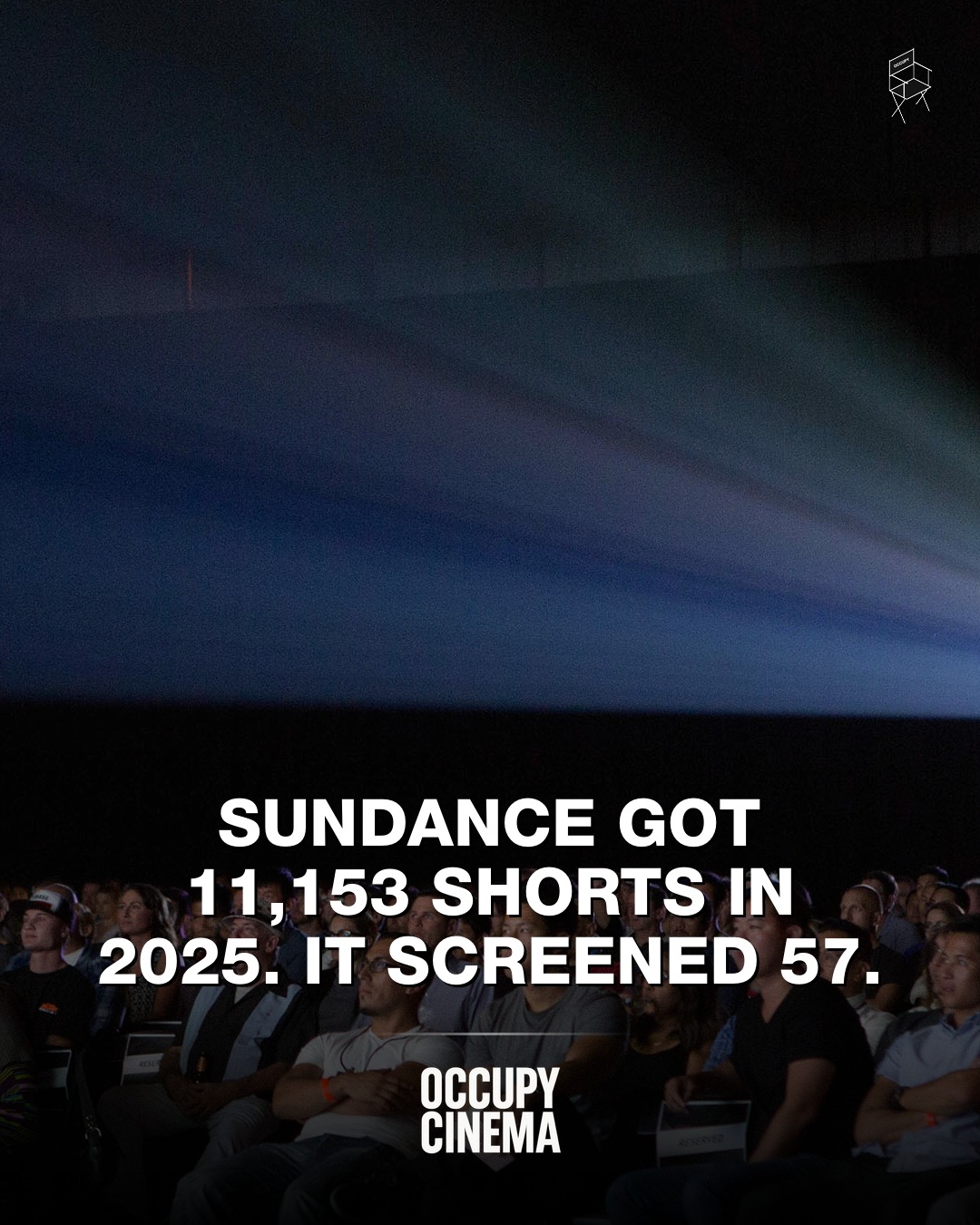
The numbers from Sundance 2025 are in and they paint a clear picture. The festival received 11,153 short film submissions. From that massive pool, only 57 films made the cut for screening. This translates to an acceptance rate hovering near 0.5 percent. That is not just competitive, it is a lottery. These odds are critical for every independent filmmaker to understand.
Filmmakers often approach festival submissions with an all-or-nothing mindset, banking on one major festival. This data proves that strategy is flawed. Submitting to Sundance, Cannes, or Venice should be seen for what it is: a long shot. The dream is powerful, but the reality is stark. These top-tier festivals are not looking to screen every good film. They are looking for a very specific, limited selection.
The High Cost of Low Odds
Consider the financial implications. Each submission costs money, often not insignificant for indie budgets. Then there are the associated costs: mastering, shipping, and the time invested. For a 0.5 percent chance, this is a significant expenditure without a guaranteed return. Filmmakers need to be smart with their limited resources. The goal is to get your film seen, not just to say you submitted to a big name. The average filmmaker can learn a lot from festival submission guides and understanding the economics of the circuit.
The 57 accepted films came from 28 countries. This global reach highlights the sheer volume of talent vying for these few spots. It is a testament to the universal appeal of cinema, but also a stark reminder of the intense competition. For filmmakers like Chloé Zhao or Ryan Coogler, Sundance was a launchpad, but their paths are the exception, not the rule.
Building a Smarter Festival Strategy
A more effective approach involves diversification. Research festivals that align with your film's genre, themes, and target audience. There are hundreds of excellent festivals worldwide, many with higher acceptance rates and a strong commitment to showcasing new voices. Focus on regional festivals, genre-specific festivals, and those known for nurturing emerging talent. A film that might be overlooked by Sundance could be a standout at a specialized festival, leading to distribution opportunities and critical acclaim.
Do not misunderstand: aiming high is important. But aiming high should not mean submitting exclusively to the hardest-to-get-into festivals. It means having a balanced strategy. This involves understanding your film's strengths and weaknesses, identifying appropriate venues, and allocating your budget wisely. For more on festival strategies, check out this Hollywood Reporter piece on festival trends. Also, understanding the role of sales agents can be crucial, as detailed by Deadline's coverage of Sundance deals.
The lesson for 2025 is clear: the odds are stacked against you at the top. Instead of pouring all your resources into one long shot, spread your bets. Get your film seen by audiences and industry professionals who are genuinely interested in what you have made. This strategic shift is not about lowering your ambitions, it is about increasing your chances of success in a brutally competitive landscape. Filmmakers need to be pragmatic and tactical.