Occupy Cinema › Awards
The Cosmic Dance of Terrence Malick's The Tree of Life
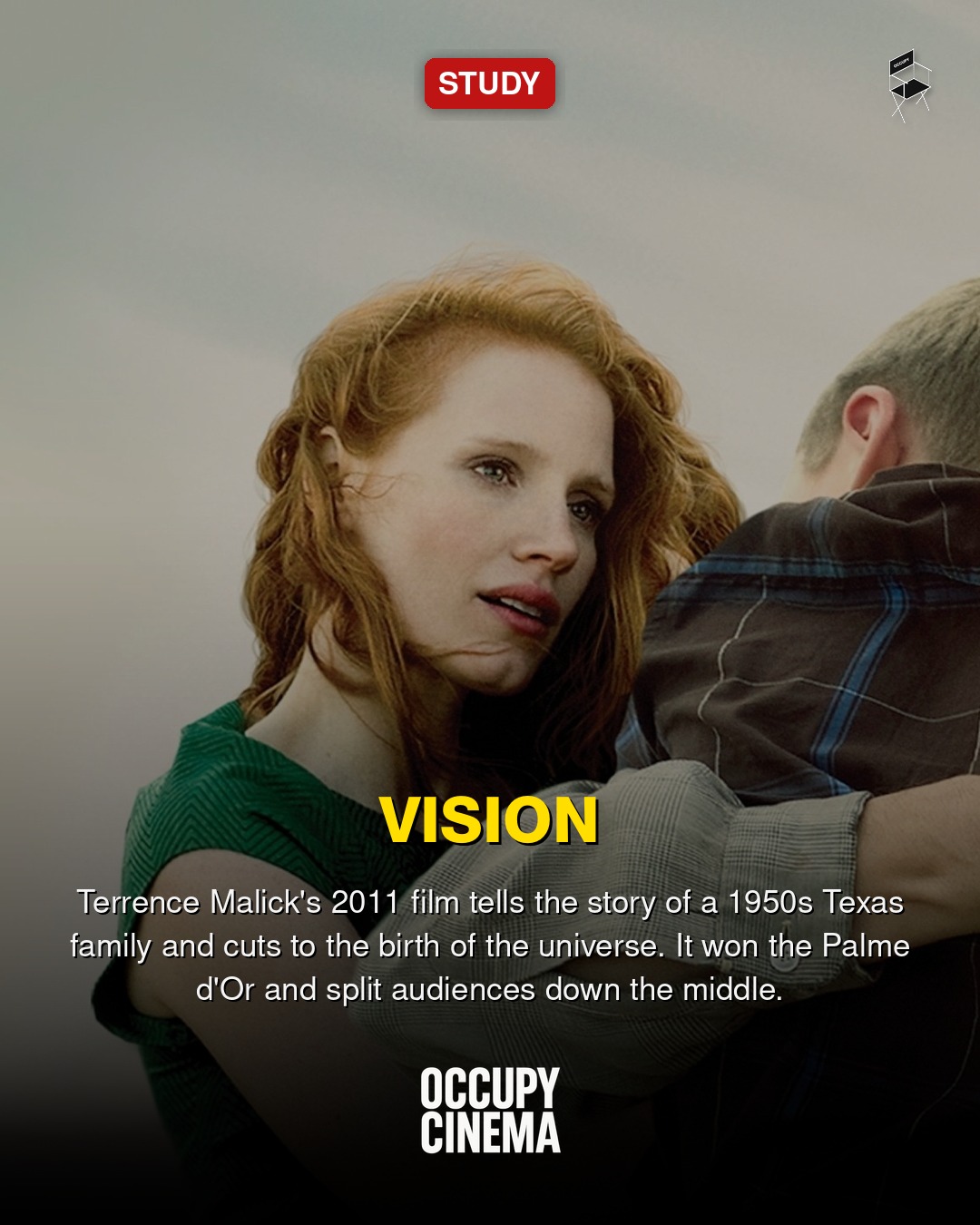
Terrence Malick's 2011 Palme d'Or winner remains a mesmerizing and divisive cinematic achievement, a film that dares to intertwine the intimate with the infinite.
By Occupy Cinema ·
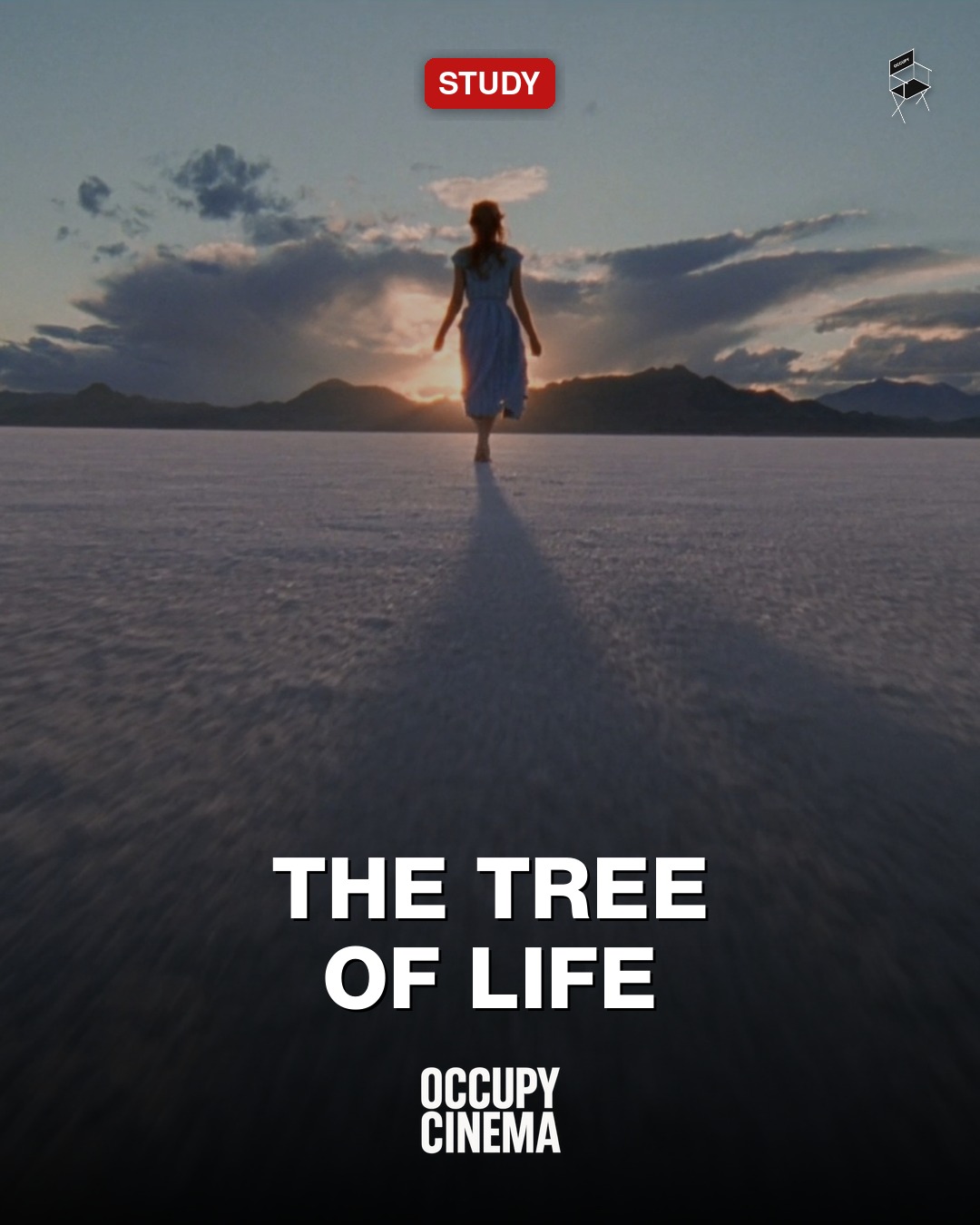
The light, dappled and golden, filters through the leaves of an ancient pecan tree, illuminating dust motes dancing in the Texas air. It is a light that feels both earthly and divine, a visual sermon preached by the masterful eye of cinematographer Emmanuel Lubezki. This is the visual language of Terrence Malick's 2011 epic, The Tree of Life, a film that did not merely tell a story, but rather invited us to inhabit a memory, a feeling, a cosmic breath.
Upon its release, The Tree of Life was a revelation and a provocation, winning the Palme d'Or at Cannes while simultaneously splintering audiences into fervent admirers and bewildered critics. It is a work that transcends conventional narrative, choosing instead to weave together the intimate struggles of a 1950s Texas family with sweeping, almost abstract sequences depicting the birth of the universe, the dawn of life, and the vastness of geological time. Malick, ever the poet of the lens, asks us to consider the profound weight of a single life, contained within the boundless expanse of existence.
The Luminous Touch of Lubezki
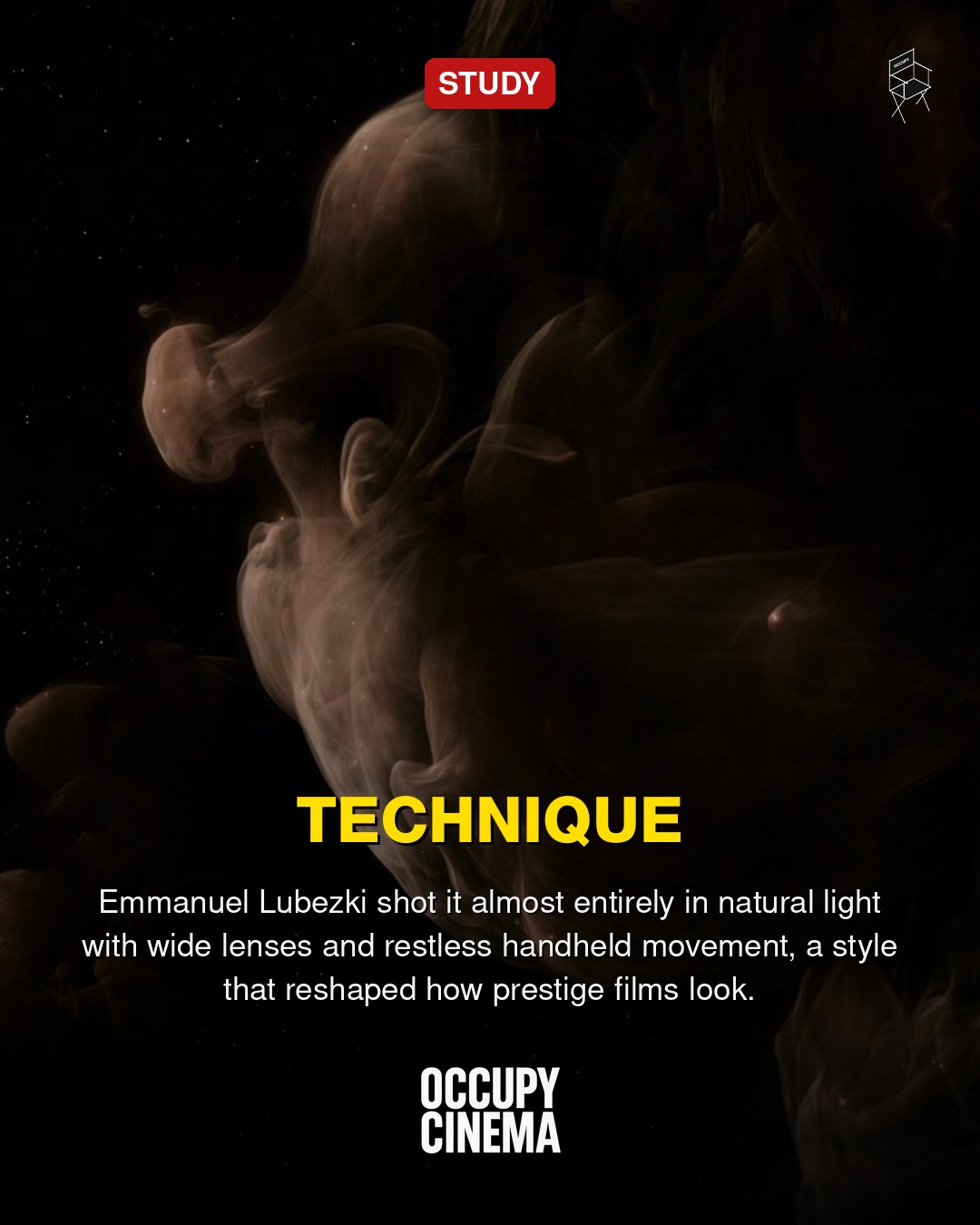
Central to the film's singular aesthetic is Lubezki's groundbreaking cinematography. He famously shot almost entirely in natural light, a radical choice that imbues every frame with an organic, almost documentary-like authenticity, even amidst its grand philosophical ambitions. His preference for wide lenses, often an Arri Alexa coupled with Leica Summilux-C lenses, created a sense of expansive intimacy, allowing characters to exist within their environment rather than simply in front of it. The restless handheld camera, a signature of modern prestige cinema, was used here not as a mere technique, but as a visceral extension of memory and emotion, drifting through rooms, following children, and gazing upwards at the sky.
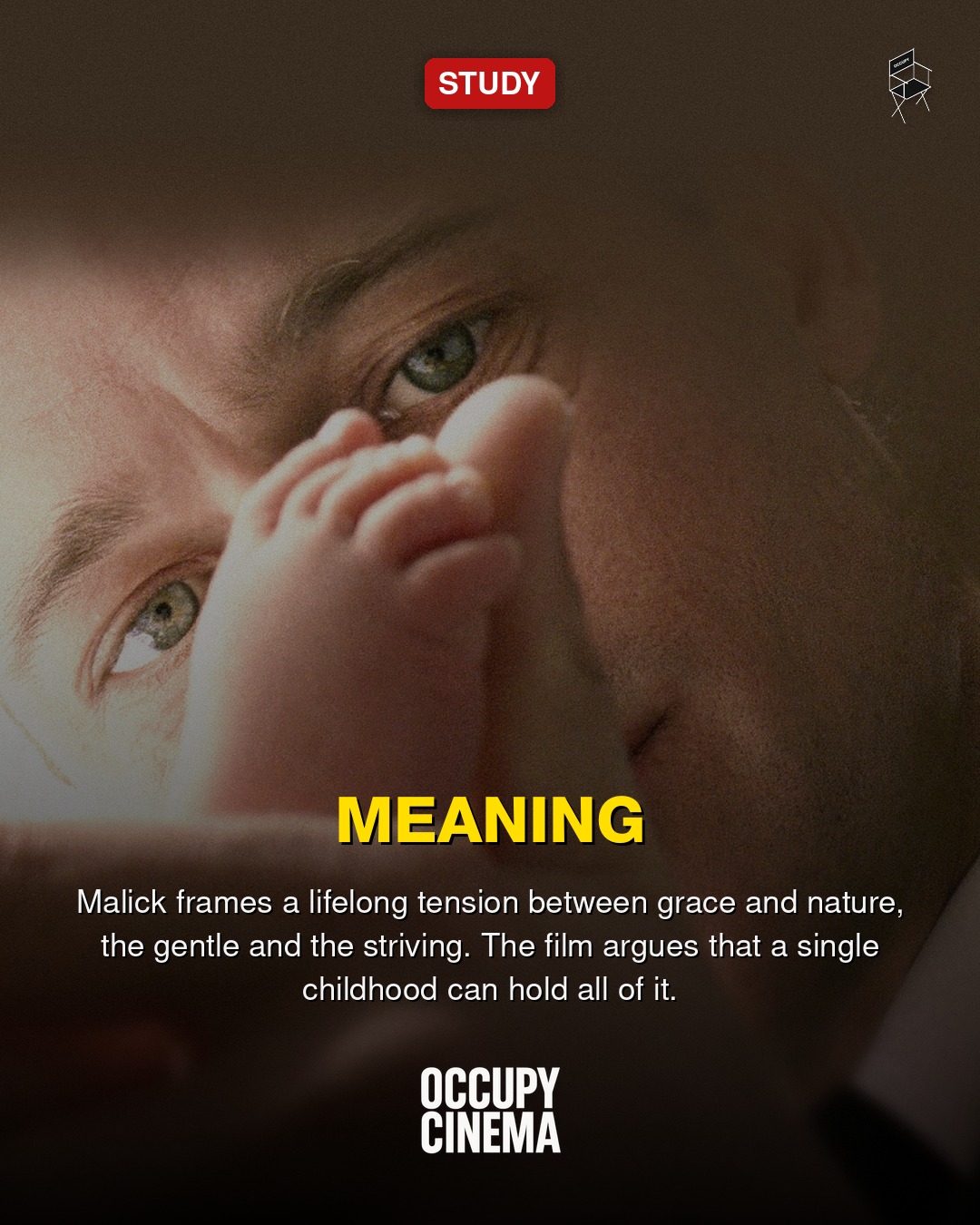
This approach, now influential across contemporary filmmaking, redefined what a “prestige film” could look like, moving away from rigid, precisely lit compositions towards a more fluid, experiential mode of storytelling. It is a style that demands patience and an open heart from its viewers, rewarding them with moments of unparalleled visual poetry. Malick frames a lifelong tension between grace and nature, between the harsh realities of a father's discipline and the boundless compassion of a mother's love, suggesting that these elemental forces are not just personal, but universal.
A Universe in a Childhood
The Tree of Life argues that a single childhood, with its joys, traumas, and quiet epiphanies, can hold the weight of all creation. The film uses a non-linear, impressionistic structure, mirroring the way memory itself functions, often jumping between epochs, from the dinosaurs to suburban lawns. It is a profound meditation on origin, loss, and the eternal search for meaning. Malick does not offer easy answers, but instead presents a tapestry of life, urging us to find our own connections, our own grace, within its immense scope.
The legacy of The Tree of Life continues to resonate. It is a film that challenges and enchants, a cinematic experience that lingers long after the credits roll, inviting contemplation on our place in the grand, unfolding drama of the cosmos. It stands as a powerful example of cinema's ability to explore the deepest questions of existence, not through dialogue, but through the evocative power of image, sound, and the whisper of a breeze through ancient trees. You can read more about its impact on filmmaking at IndieWire and The Hollywood Reporter.