Occupy Cinema › Craft
The Enduring Influence of The Tree of Life's Cinematography
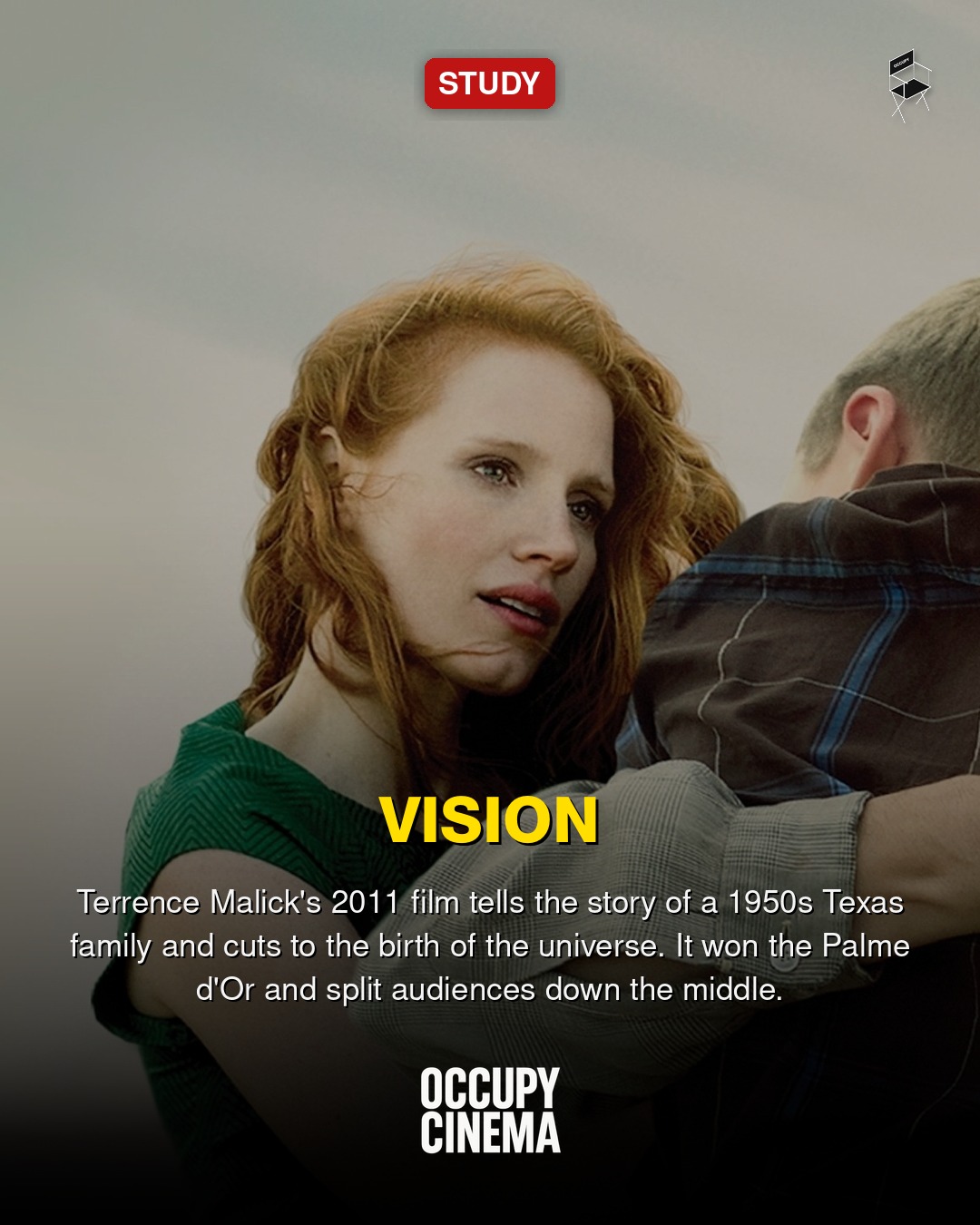
Terrence Malick's 2011 Palme d'Or winner, The Tree of Life, remains a landmark in cinematic language, largely due to Emmanuel Lubezki's groundbreaking camera work and lighting.
By Occupy Cinema ·
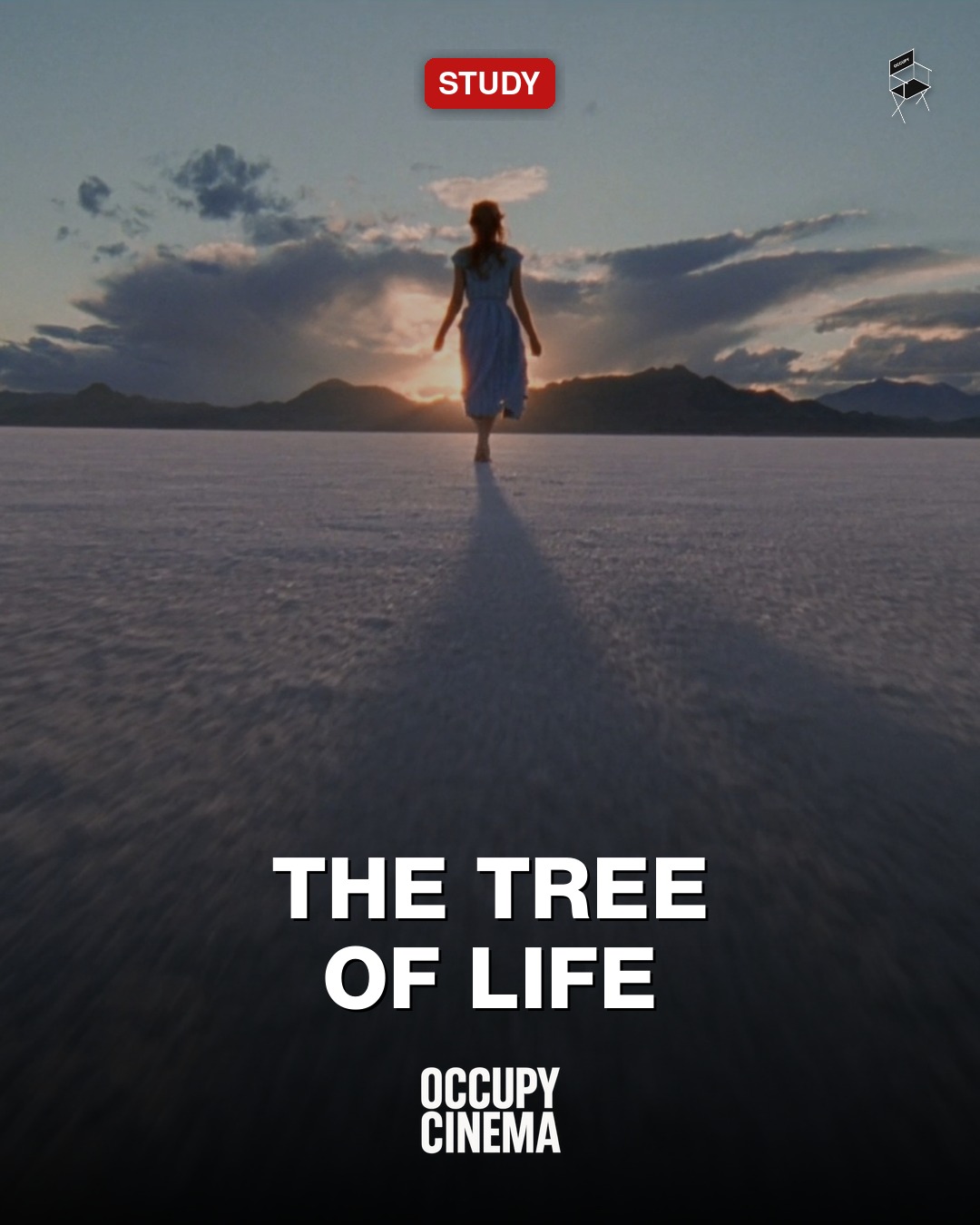
When Terrence Malick's The Tree of Life premiered in 2011, it immediately became a focal point for discussion, polarizing critics and audiences alike. Beyond its narrative ambition, which spans from a 1950s Texas upbringing to the genesis of the cosmos, the film's visual grammar, crafted by cinematographer Emmanuel Lubezki, fundamentally altered the landscape of prestige filmmaking. This was a deliberate aesthetic choice, pushing against conventional narrative coverage and embracing a more fluid, observational style.
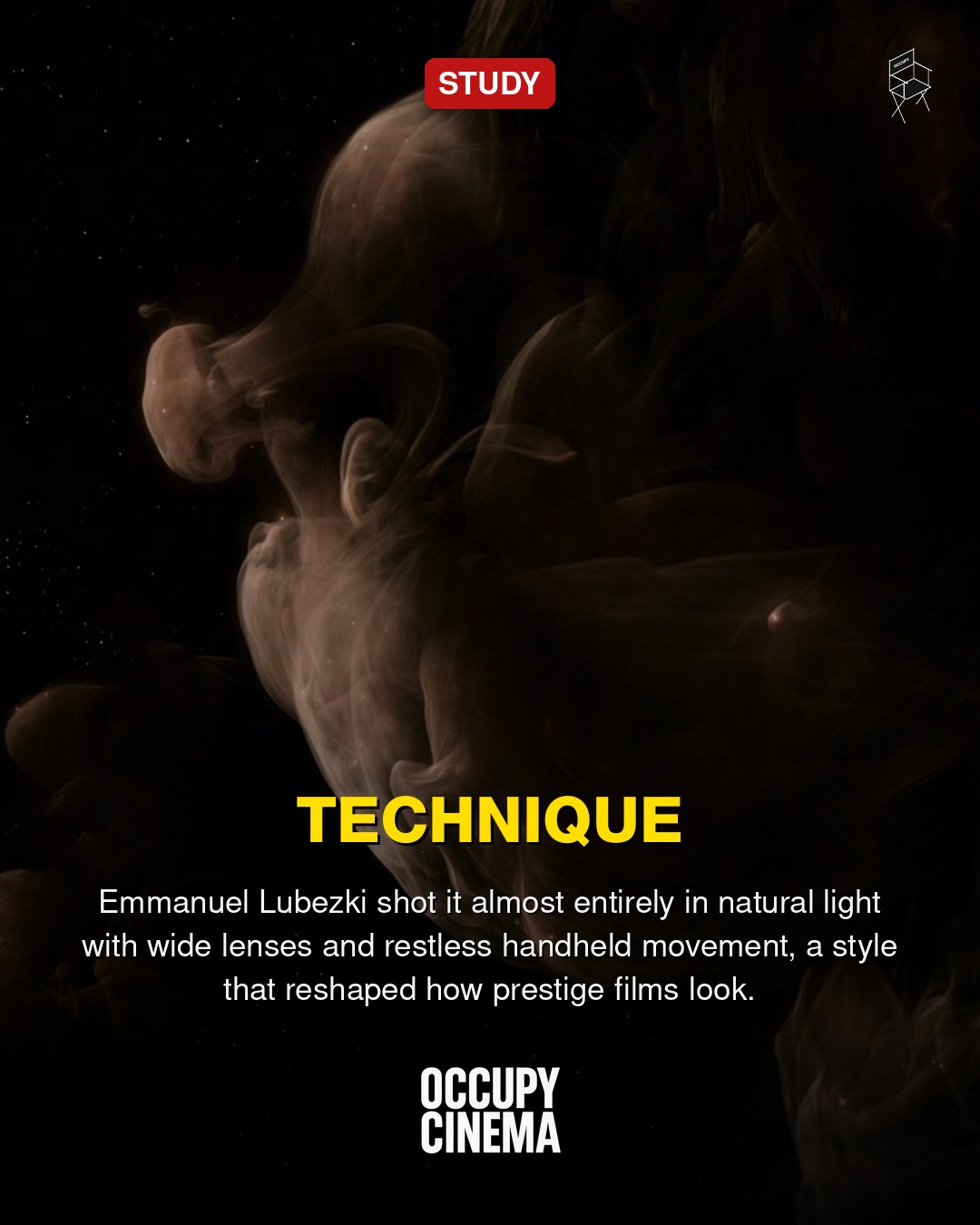
Lubezki, often referred to as 'Chivo', employed an approach that relied heavily on available light, particularly natural sunlight, to illuminate scenes. This decision was not merely for authenticity but was integral to Malick's thematic exploration of nature and grace. The cinematography eschewed artificial lighting setups where possible, instead utilizing the dynamic, often unpredictable qualities of natural light to shape mood and texture. This technique, combined with often wide, open apertures, yielded images with a distinct, almost ethereal quality, characterized by deep focus and a painterly rendition of light and shadow.
The Wide Lens and Restless Camera
A hallmark of Lubezki's work on The Tree of Life is the pervasive use of wide-angle lenses. These lenses exaggerate perspective, drawing viewers into the expansive landscapes and intimate domestic spaces with a heightened sense of presence. The ARRI Alexa, a relatively new digital cinema camera at the time, was a key tool in achieving this look, offering significant dynamic range and a sensor capable of capturing detail in challenging low-light conditions. The camera's form factor also facilitated the extensive handheld operation that defines much of the film's visual rhythm.
The camera movement itself is characterized by a restless, exploratory quality. Lubezki's handheld work is not merely about achieving a documentary feel, but about actively participating in the characters' subjective experiences. The camera frequently drifts, following light, observing gestures, and circling characters, creating a sense of an unmoored perspective, mirroring the film's exploration of memory and the passage of time. This particular approach to camera operation, prioritizing organic movement and natural light, subsequently influenced countless productions, becoming a shorthand for 'serious' or 'artistic' cinematography.
Beyond the Technical: A Thematic Lens
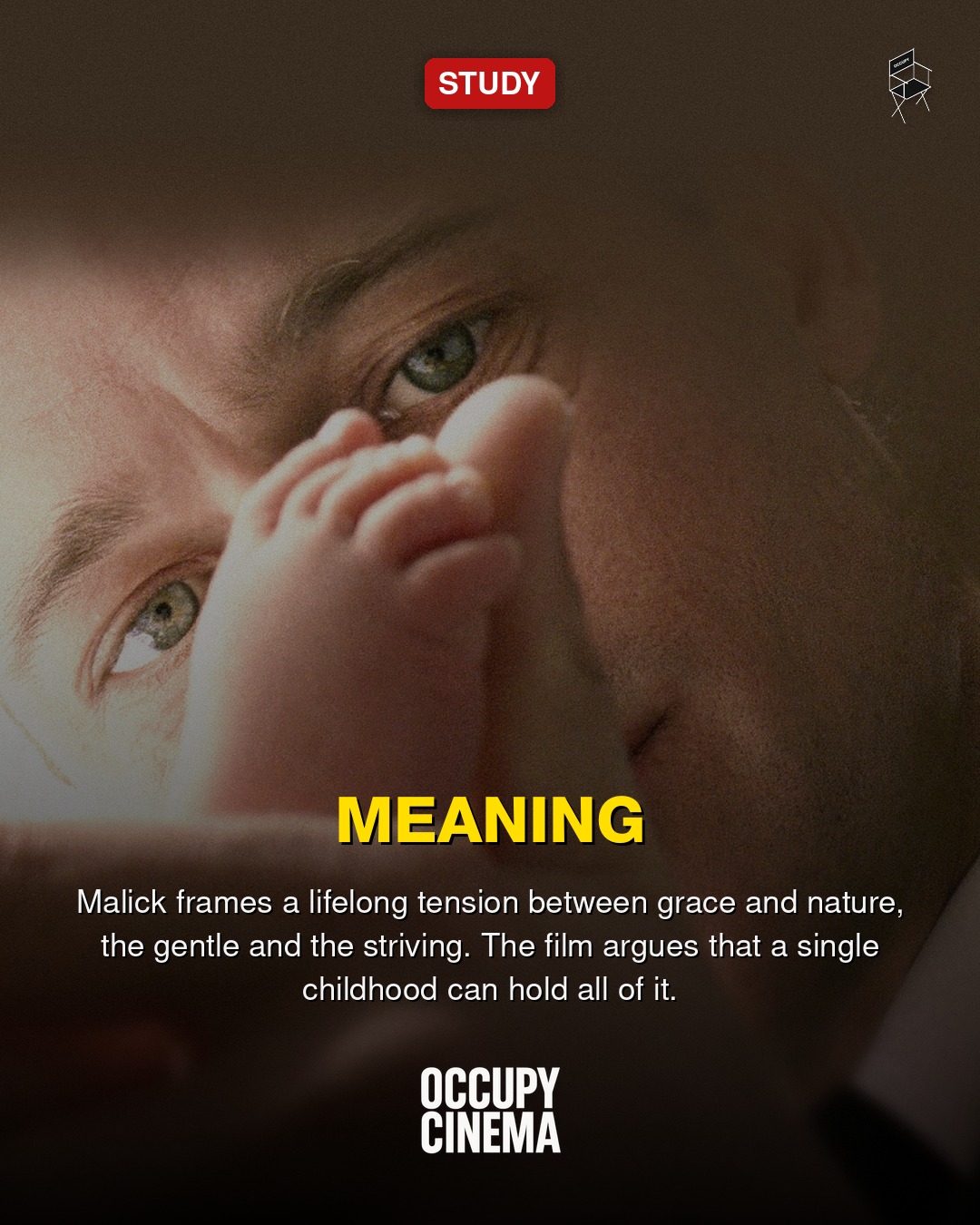
The visual style of The Tree of Life is inextricably linked to its thematic content. Malick posits a tension between 'grace' and 'nature,' embodied through the disparate parental influences on young Jack. Lubezki's cinematography visually articulates this dichotomy, contrasting the harsh, almost primal beauty of the natural world with moments of tender, luminous human connection. The film's expansive scope, from the micro details of childhood to cosmic formation, required a visual language capable of encompassing both. The 1.85:1 aspect ratio, while common, felt expansive here, containing both the celestial and the domestic with equal weight.
The film's impact on cinematography is undeniable. It demonstrated that a more improvisational, naturalistic approach to image-making could yield profound artistic results, and that digital cameras could deliver a cinematic quality previously associated with 35mm and 65mm film. Lubezki's subsequent work, including his Oscar-winning collaborations with Alfonso Cuarón on Gravity and Roma, further cemented his reputation as a master of atmospheric, immersive visuals, but The Tree of Life stands as a pivotal moment in the evolution of contemporary cinematographic practice. Its legacy continues to inform how filmmakers approach lighting, camera movement, and the integration of theme and visual style. For further reading on the film's visual design, IndieWire provided early insight into the production, and Variety's review highlighted its powerful imagery upon release. Even years later, discussions around its technical achievements persist, as documented by various film journals, including pieces by Sight and Sound.