Occupy Cinema › Casting
Synthetic Performer Takes Lead in Feature Film, Raising Industry Questions
A European production company has slated an AI generated character, Tilly Norwood, for the lead role in an upcoming feature film, sparking debate regarding creative labor and artificial intelligence.
By Occupy Cinema ·
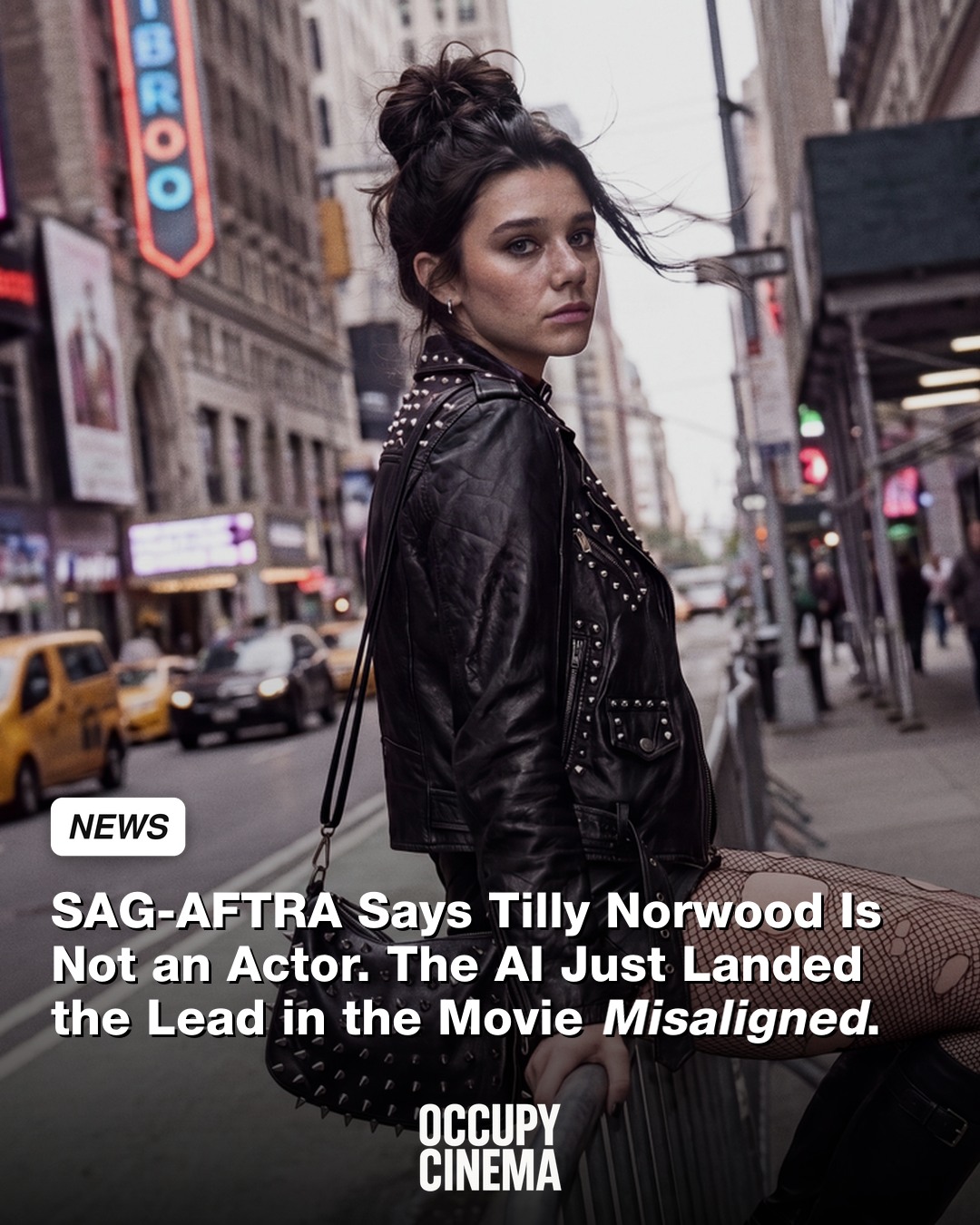
The landscape of film production is once again shifting, this time with the announcement that a synthetic performer, Tilly Norwood, will star as the lead in the comedy-drama Misaligned. This development comes from Particle6, a London based production company founded by Eline van der Velden, in conjunction with European AI firm Xicoia. The project marks a significant, albeit contentious, step into the integration of artificial intelligence at a principal creative level within feature filmmaking.
Tilly Norwood is not a human actor, but an artificial intelligence construct. Her genesis and ongoing development are the product of Xicoia, an AI talent studio. This venture positions Norwood as the first synthetic performer to be cast in a leading role in a feature film, a precedent that naturally invites scrutiny from various industry stakeholders, particularly those concerned with the preservation of human creative labor.
The Digital Performance Debate
The concept of AI generated performers is not entirely nascent, but their elevation to lead roles introduces a new dynamic. When Norwood was initially presented to the public, the Screen Actors Guild, American Federation of Television and Radio Artists, commonly known as SAG-AFTRA, issued a statement condemning the project. Their primary concern revolved around the origins of Norwood's performance capabilities, positing that the AI character is trained on the work of human performers. This raises complex questions about intellectual property, compensation, and the displacement of working actors. The core argument from SAG-AFTRA is that such AI creations are not genuine actors but rather sophisticated computer programs utilizing what they term 'stolen performances'.
Particle6, in response, has outlined a production model for Misaligned that it describes as a hybrid approach. This model intends to integrate AI specialists alongside conventional film and television crew members. The company also states that it has undertaken an internal retraining initiative for its team of over 30 personnel, presumably to adapt to the technical requirements of working with a synthetic lead. This suggests a recognition of the need for human oversight and collaboration, even within an AI centric production.
Production Implications and Future Trajectories
The film Misaligned is currently in early development. This initial phase would typically involve script refinement, pre visualization, and preliminary casting for human roles. The integration of an AI lead adds a layer of technical pre visualization and character development that differs significantly from traditional methods. Instead of casting a human actor and then adapting the character to their performance nuances, the character itself is an evolving digital construct. This could offer unprecedented control over performance consistency and visual aesthetics, but it concurrently removes the organic, often unpredictable, contributions that human actors bring to a role.
The cameras and lenses used to capture this hybrid production will likely be standard digital cinema packages, such as the ARRI Alexa 35 or the RED V-RAPTOR, as the synthetic performance will be rendered digitally and integrated into live action plates. The challenge for the cinematographer and visual effects supervisor will be to seamlessly blend these elements, ensuring that Tilly Norwood's performance feels organic within the captured environment. This is not merely an aesthetic concern, but a fundamental narrative one, as the audience's willingness to suspend disbelief hinges on the credibility of the lead character, synthetic or otherwise. This development will be closely watched by industry observers and labor organizations alike, as it could signal a broader shift in how talent is conceived and deployed in filmmaking. The Hollywood Reporter has covered the initial rollout, noting the industry's mixed reactions. Deadline also provided coverage, highlighting the implications for ongoing labor discussions. The long term implications for actor employment and creative ethics remain a subject of considerable debate, and Misaligned will serve as an early, high profile test case. Variety has additionally weighed in on the significance of this casting decision.