Occupy Cinema › Development
Joe Wright to Direct Tim Winton's Climate Dystopian Novel, 'Juice'
Director Joe Wright , known for his ornate period films, is set to helm a feature film adaptation of Tim Winton's post-apocalyptic novel 'Juice' , a significant departure into climate-themed speculative fiction.
By Occupy Cinema ·
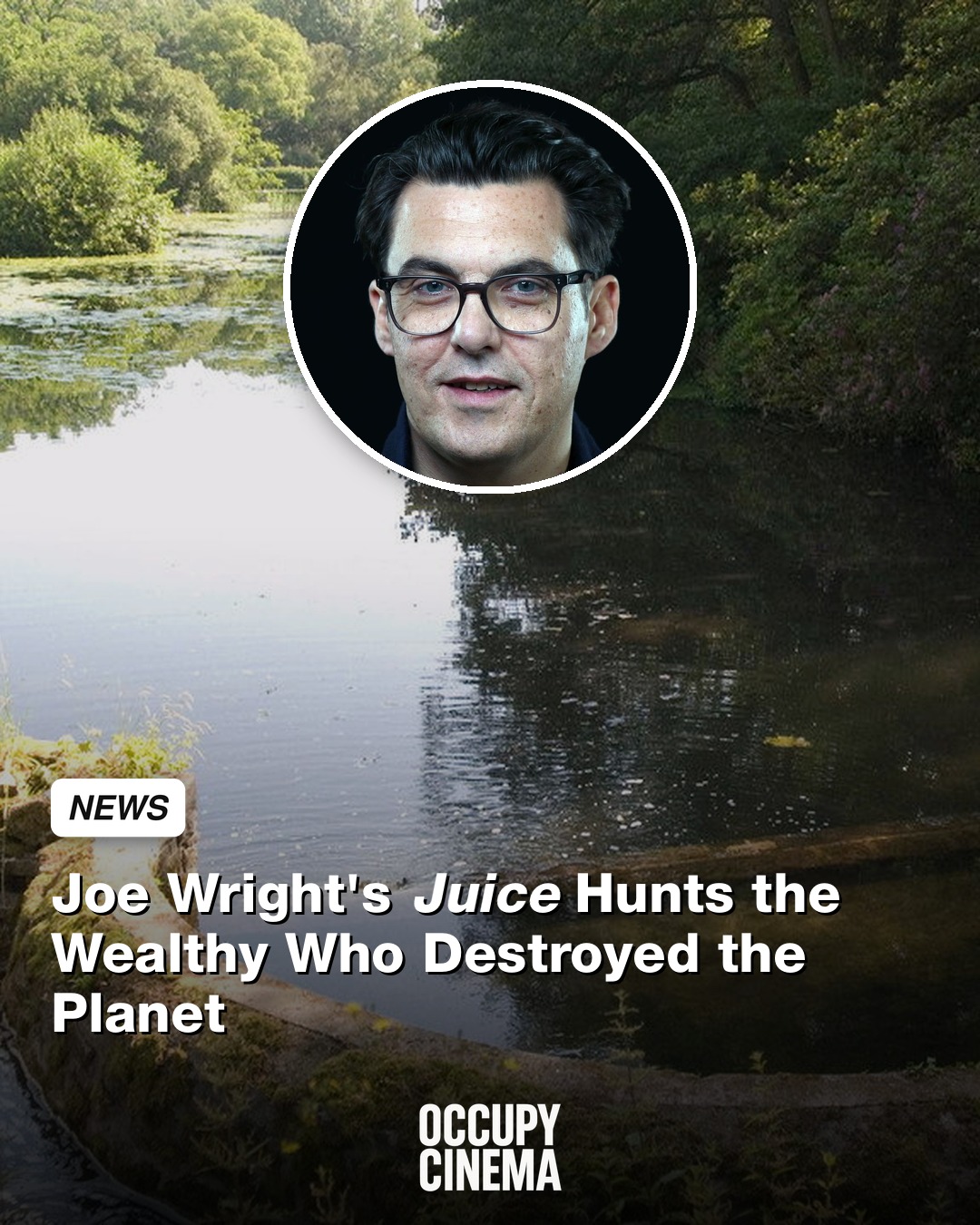
Joe Wright, the BAFTA winning director recognized for his distinctive visual style in films such as Atonement and Pride & Prejudice, is slated to direct Juice, a film adaptation of Tim Winton's novel. This project marks a notable shift from Wright's established repertoire of period dramas, moving into the realm of speculative fiction with a pronounced climate catastrophe theme. Working Title Films is producing this endeavor, with BAFTA and Emmy winner Abi Morgan adapting the screenplay.
Morgan, whose previous work includes Shame and Suffragette, is tasked with translating Winton's narrative into a cinematic format. The source material for Juice positions itself within a world fundamentally altered by climate collapse. The story centers on a young husband and father who is drawn into a covert resistance movement. This organization targets individuals and groups deemed responsible for the ecological devastation, often those of significant wealth and isolation. The narrative escalates when a mission goes awry, forcing the protagonist into a struggle for survival across a landscape that is both scorched and overtly hostile.
A Stylistic Pivot for Wright
Wright's filmography is characterized by its meticulous production design and often elaborate camera work. Films such as Anna Karenina, shot on a soundstage to evoke a theatrical environment, or the continuous tracking shots in Atonement, exemplify a director with a keen sense of visual rhythm and constructed reality. His frequent collaborations with cinematographers like Seamus McGarvey, BSC, ASC, demonstrate a preference for large format photography, a choice that has historically lent itself well to the expansive sets and nuanced textures of period pieces. One might recall the use of ARRI Alexa 65 in Darkest Hour, for instance, which provided an immersive, high-resolution aesthetic.
This move to a climate-centric dystopian narrative represents a significant thematic and aesthetic departure. While Wright has demonstrated versatility, such as with his action thriller Hanna, Juice appears to engage with more overtly political and ecological themes. The premise, which actively implicates specific societal elements in planetary degradation, is a less common stance for studio-backed projects, often preferring more generalized or allegorical conflicts. This directness could distinguish Juice within the growing subgenre of climate fiction cinema, a space often occupied by independent productions or more subtly allegorical studio offerings. See for example, recent discussions on climate cinema in IndieWire or The Hollywood Reporter.
Thematic Urgency in Visual Storytelling
The narrative structure of Juice, centered on a resistance movement against those responsible for environmental collapse, aligns with a growing demand for films that directly address contemporary global crises. This project could allow Wright to explore the visual language of decay and resilience, potentially employing a starker, less ornate photographic style than his prior works. Imagine the contrast between the lush, carefully constructed worlds of his early films and the desolation required by Winton's novel. The choice of cinematographic tools, such as specific camera systems or lens packages, will be crucial in defining this new visual signature for Wright. A project of this scope might lean towards modern digital cinema cameras like the ARRI Alexa 35, for its dynamic range and color science, or perhaps even a more textural approach with anamorphic lenses to capture the breadth of a fractured landscape. The challenge for Wright and his crew will be to craft a world that feels both plausibly devastated and cinematically compelling, without resorting to cliché. The involvement of Working Title Films suggests a production with significant resources, which could facilitate complex visual effects and ambitious location work, critical for realizing a post-apocalyptic vision on screen.