Occupy Cinema › Development
Joe Wright to Direct Tim Winton's Climate Dystopia, 'Juice'
Director Joe Wright, known for his meticulously crafted period films, is set to helm 'Juice,' an adaptation of Tim Winton's dystopian novel, signaling a significant thematic shift for the filmmaker.
By Occupy Cinema ·
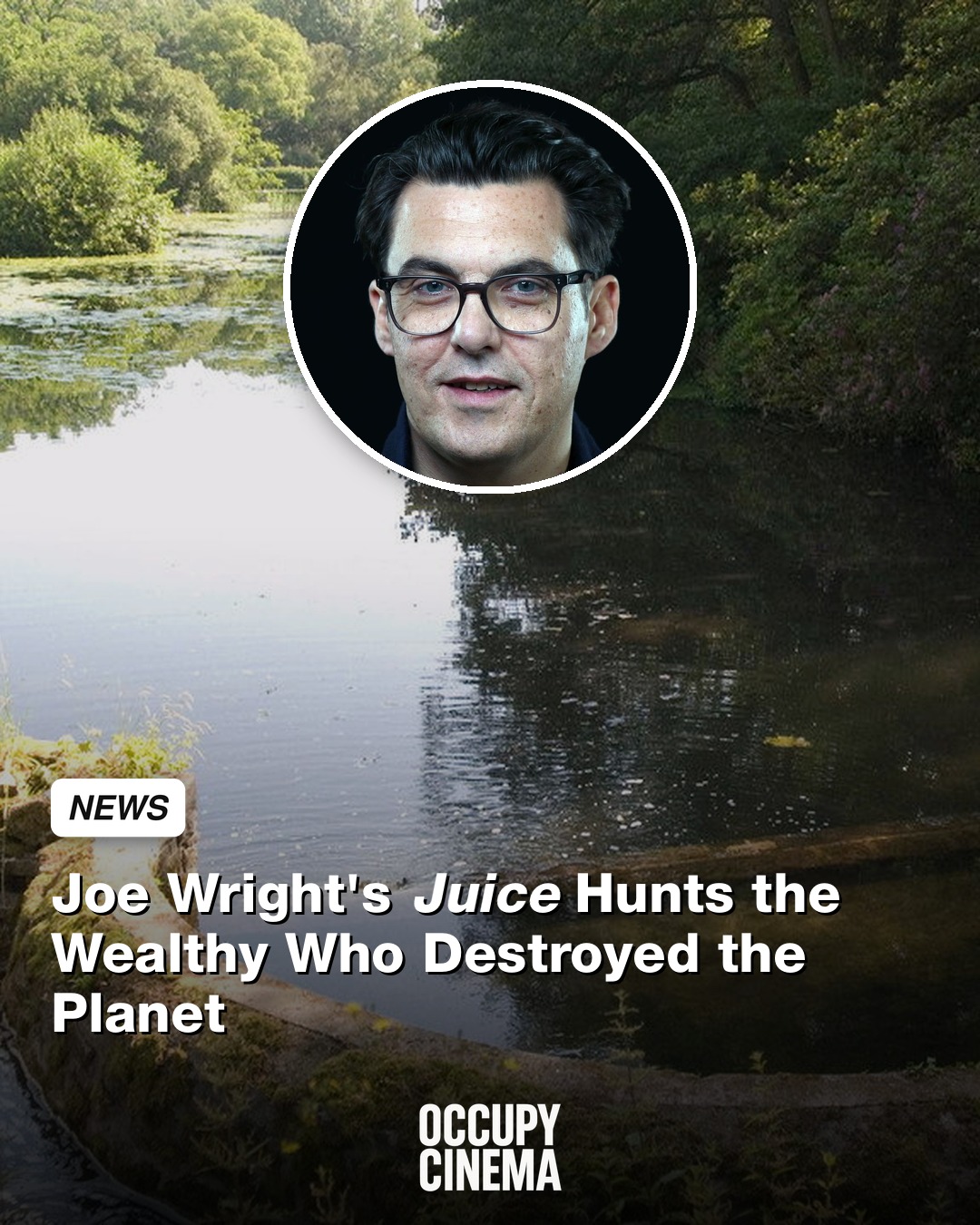
Joe Wright, the director behind films such as Atonement and Darkest Hour, has committed to directing Juice, a feature film adaptation of author Tim Winton's post-apocalyptic novel. This project, greenlit by Working Title Films, marks a notable departure from the visually rich, historical narratives that have largely defined Joe Wright's directorial career.
The screenplay for Juice is being adapted by Abi Morgan, a writer recognized for her BAFTA and Emmy-winning work, including The Iron Lady and Shame+screenplay&tag=occupycinema-20" target="_blank" rel="noopener nofollow sponsored">Shame. Wright's filmography, which encompasses the elegance of Pride & Prejudice and the wartime tension of Darkest Hour, has largely been characterized by its precise art direction, often utilizing 35mm film and long takes to immerse audiences in specific historical periods. This shift to a contemporary, climate-centric dystopia suggests a re-evaluation of his thematic interests and perhaps his visual approach.
A New Thematic Direction
Juice is set against a backdrop of severe climate collapse, depicting a world irrevocably altered by environmental catastrophe. The narrative centers on a husband and father who is drawn into a clandestine resistance movement. This group targets and hunts down the affluent individuals perceived to be responsible for the planetary devastation. When a mission goes awry, the protagonist is forced into a desperate struggle for survival across a desolate and unforgiving landscape.
The choice of subject matter is particularly interesting for Wright, whose previous works have often explored themes of class, societal expectations, and personal resilience within established historical frameworks. Moving to a future, environmentally ravaged setting will undoubtedly demand a different visual vocabulary and a more direct engagement with contemporary global anxieties. It will be compelling to observe how Wright, known for his meticulous shot compositions and often grand scale, translates this narrative of stark survival and environmental decay to the screen.
Visual Language in a Dystopian Setting
Consider Wright's previous collaborations with cinematographers such as Seamus McGarvey, who shot Atonement on 35mm film, or Bruno Delbonnel, who captured the interiors of Darkest Hour. These films leveraged specific photographic mediums, often with a commitment to film stock and a deliberate approach to lighting, to evoke a sense of period authenticity. For Juice, the visual language will likely pivot towards depicting desolation and a harsh, unforgiving environment. This could involve a shift in camera format, perhaps towards digital acquisition with cameras like the ARRI Alexa 35, or a more rugged, less polished aesthetic. The use of anamorphic lenses, a common choice in dystopian narratives, could also be considered to emphasize the vastness and emptiness of the ruined world. The visual approach will be critical in establishing the tone and scale of Winton's narrative. IndieWire has reported on this development, highlighting the shift in genre for the director. This project positions itself as a significant narrative within the growing canon of climate fiction, offering a direct commentary on the human impact on the planet, a theme that has gained increasing traction in cinematic storytelling, as noted by Variety.